






For many travelers, hostels aren’t chosen for a single reason.
- Hostels Fit Naturally Into Active Travel
- Social Energy Is Available, Not Required
- Shared Spaces Create Ease
- Cost Feels Like a Benefit, Not the Point
- Hostels Encourage Slower, More Present Travel
- Practical Needs Are Met Simply
- Hostels Feel Less Isolated
- Shared Experience Builds Quiet Confidence
- Expectations Feel Lighter
- Hostels Support Flexibility
- A Gentle Closing Reflection
They’re chosen gradually, often after a few trips where hotels felt isolating or overly structured. What begins as a practical decision often turns into something more personal. Over time, travelers notice that hostels offer a different rhythm—one that aligns with movement, curiosity, and shared experience.
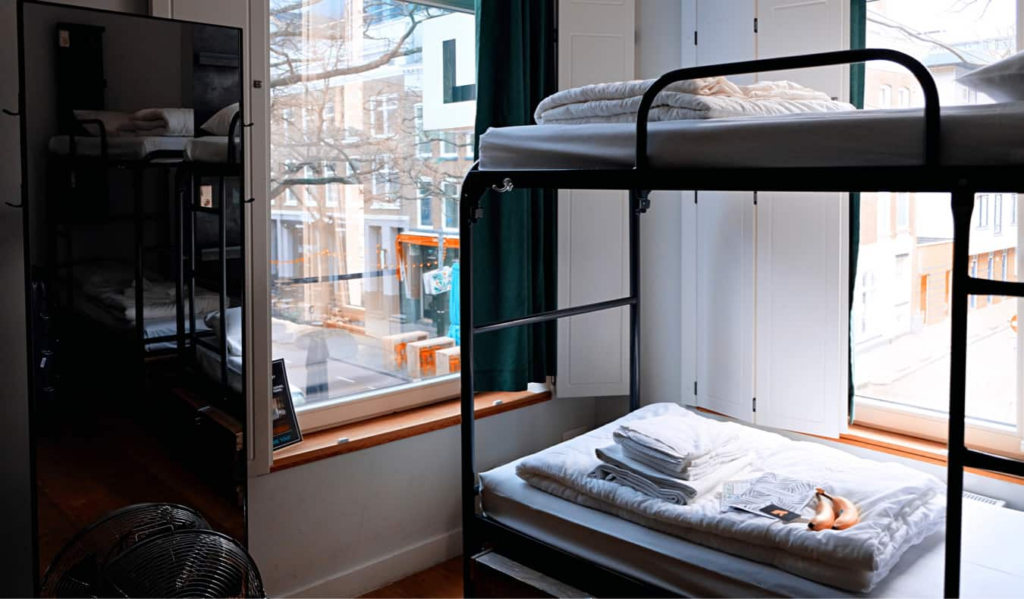
Choosing a hostel is rarely about giving something up. It’s about choosing a different way to be while traveling.
Hostels Fit Naturally Into Active Travel
Travel days are full of motion.
People arrive at different hours, leave early, return late, and head out again. Hostels are designed around this flow. Check-ins feel flexible, common areas stay open, and movement feels expected rather than disruptive.
Travelers often notice they feel less constrained.
The space adapts to their day instead of asking them to adapt to it.
Social Energy Is Available, Not Required
One of the quiet appeals of hostels is choice.
Conversation, shared meals, and group activities are there if someone wants them—but they’re rarely forced. Travelers can join in or stay to themselves without standing out.
This balance matters.
Connection feels organic because it’s optional.
Shared Spaces Create Ease
Hostels often revolve around shared kitchens, lounges, and outdoor areas.
These spaces make daily routines—eating, resting, planning—feel lighter. Travelers notice that sharing space reduces pressure to have everything figured out.
Someone else is always arriving, cooking, or sitting quietly.
The atmosphere feels lived-in rather than transactional.
Cost Feels Like a Benefit, Not the Point
While affordability matters, it’s rarely the only reason travelers choose hostels.
Lower cost often becomes a quiet advantage rather than the main motivation. Saving money allows longer stays, slower pacing, or more flexibility elsewhere in the trip.
The value feels structural.
It supports the journey without demanding attention.
Hostels Encourage Slower, More Present Travel
Many travelers notice that hostels subtly slow things down.
Shared breakfasts, casual conversations, and unplanned pauses create space between activities. The day unfolds through small interactions rather than rigid schedules.
Time feels less compressed.
Moments are allowed to breathe.
Practical Needs Are Met Simply
Hostels tend to focus on what travelers actually need.
A place to sleep, store belongings, shower, and rest. Comfort comes from functionality rather than excess. This simplicity helps people feel settled quickly.
There’s less to manage.
The environment feels supportive rather than overwhelming.
Hostels Feel Less Isolated
Hotels can sometimes feel anonymous.

Hostels, by contrast, often feel connected—to the neighborhood, to other travelers, to daily life. Information is shared casually. Recommendations travel quickly.
Travelers notice they feel oriented sooner.
The place begins to make sense faster.
Shared Experience Builds Quiet Confidence
For many travelers, especially those traveling alone, hostels offer reassurance.
Seeing others navigating similar journeys creates a sense of ease. Questions feel easier to ask. Uncertainty feels shared rather than personal.
Confidence grows naturally.
It comes from being around others who are also figuring things out.
Expectations Feel Lighter
Hostels rarely promise perfection.
This lowers pressure. Travelers don’t expect silence, luxury, or complete privacy. What they often find instead is adaptability.
When expectations are simpler, experiences feel richer.
Small comforts stand out more.
Hostels Support Flexibility
Plans change often during travel.
Hostels tend to accommodate this naturally—short stays, extended stays, spontaneous decisions. Travelers notice they feel less locked in.
Flexibility becomes part of the stay.
The trip remains responsive rather than fixed.
A Gentle Closing Reflection
Why travelers choose hostels isn’t about age, budget, or travel style alone.
It’s about atmosphere.
Hostels offer a way of traveling that feels open, human, and adaptable. They support movement without rushing and connection without obligation.
Many travelers realize that hostels didn’t just give them a place to sleep.
They gave the trip a rhythm that felt easier to move within.
AI Insight:
Many travelers notice that hostels feel appealing because they offer structure without rigidity and connection without pressure.