




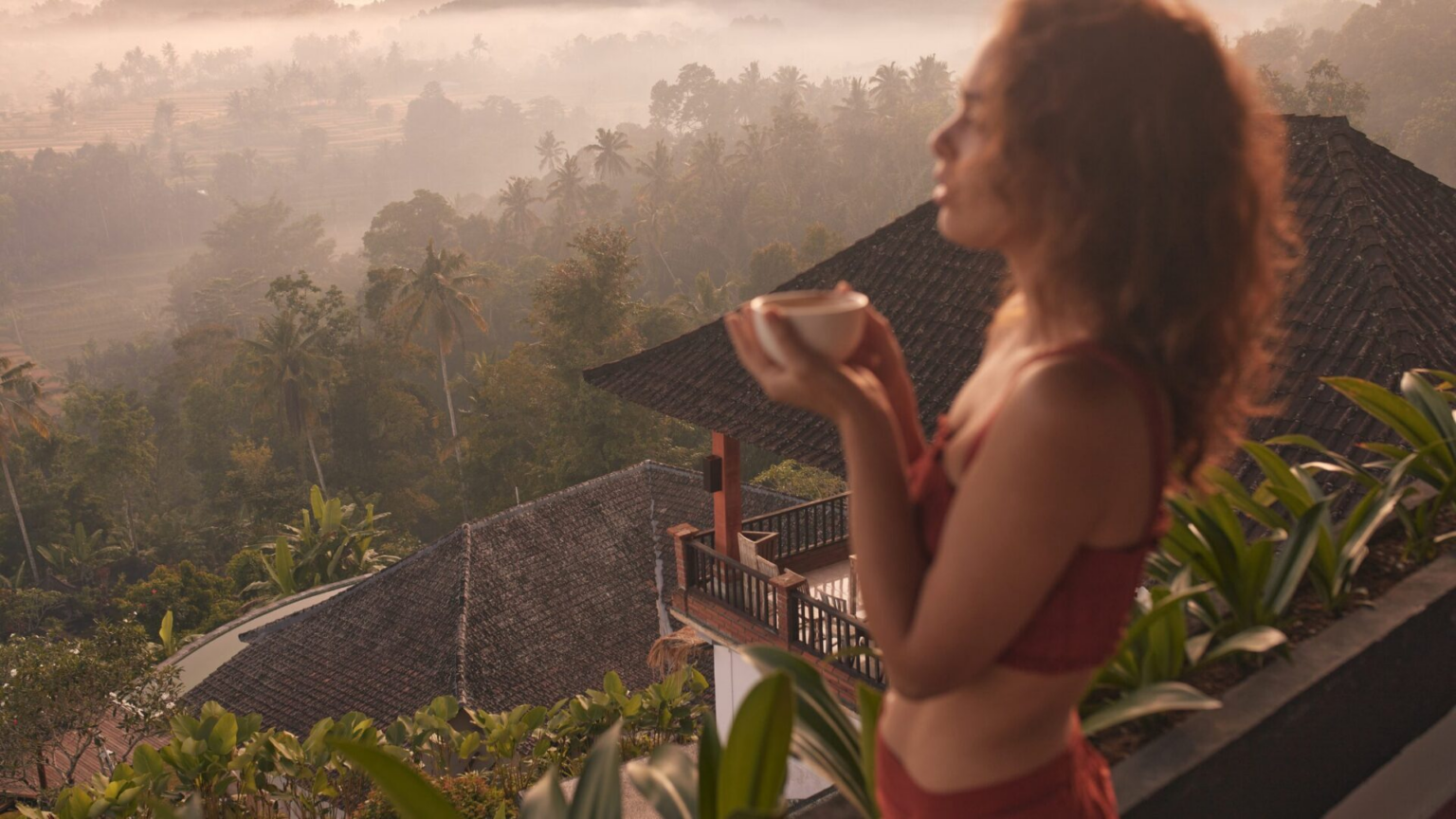

National parks often invite big expectations.
Wide landscapes, iconic viewpoints, and miles of trail can make it tempting to plan full days from morning to night. Yet many travelers notice that the trips they enjoy most aren’t the busiest ones. They’re the ones that unfold more slowly.
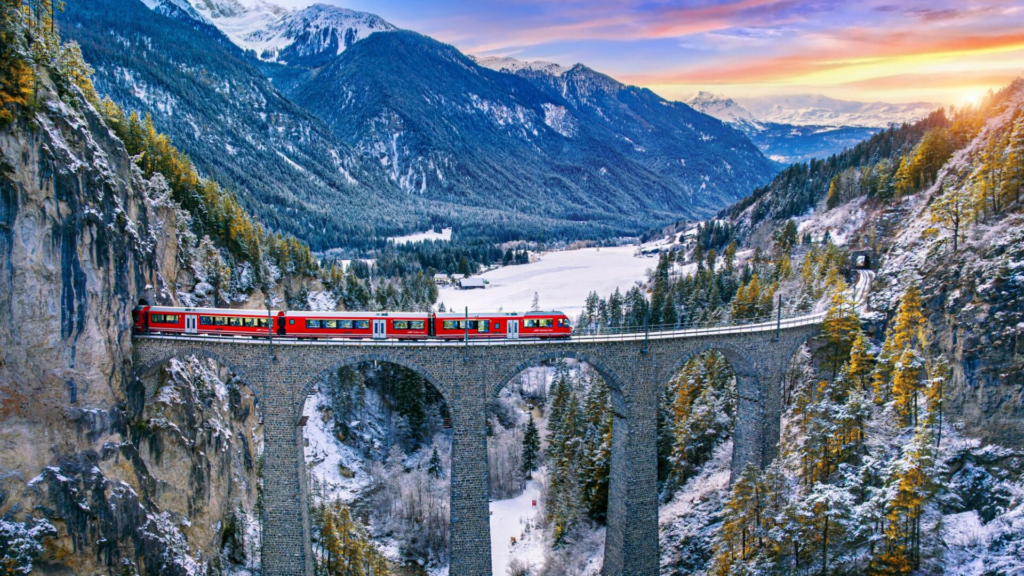
Slower park itineraries tend to feel better not because less is seen, but because more is actually experienced.
The Body Responds to the Pace
One of the first reasons slower itineraries feel better is physical.
Parks are expansive, and moving through them takes energy—walking, driving, adjusting to elevation, and responding to weather. When days are packed tightly, the body stays in effort mode.
A slower pace allows the body to settle.
Movement feels natural instead of forced, which makes the environment feel more welcoming rather than demanding.
Attention Deepens When There’s Less to Track
Busy itineraries require constant decision-making.
Where to go next, how long to stay, what to skip—all of this keeps attention slightly fragmented. Slower itineraries reduce that mental load.
With fewer plans, attention shifts outward.
Travelers often notice details they would otherwise miss: changes in light, subtle sounds, or how the landscape feels at different times of day.
The Landscape Sets the Rhythm
National parks have their own timing.
Morning light, afternoon stillness, shifting weather, and evening quiet all shape how a place feels. Slower itineraries allow the park to lead instead of being overridden by schedules.
When plans adapt to the landscape, the experience feels aligned.
Instead of moving through the park, travelers feel like they’re moving with it.
Repetition Creates Familiarity
Slower trips often include revisiting the same places.
Seeing a trail twice, passing the same overlook again, or returning to a familiar area creates a sense of connection. The park begins to feel known rather than toured.
This familiarity builds comfort.
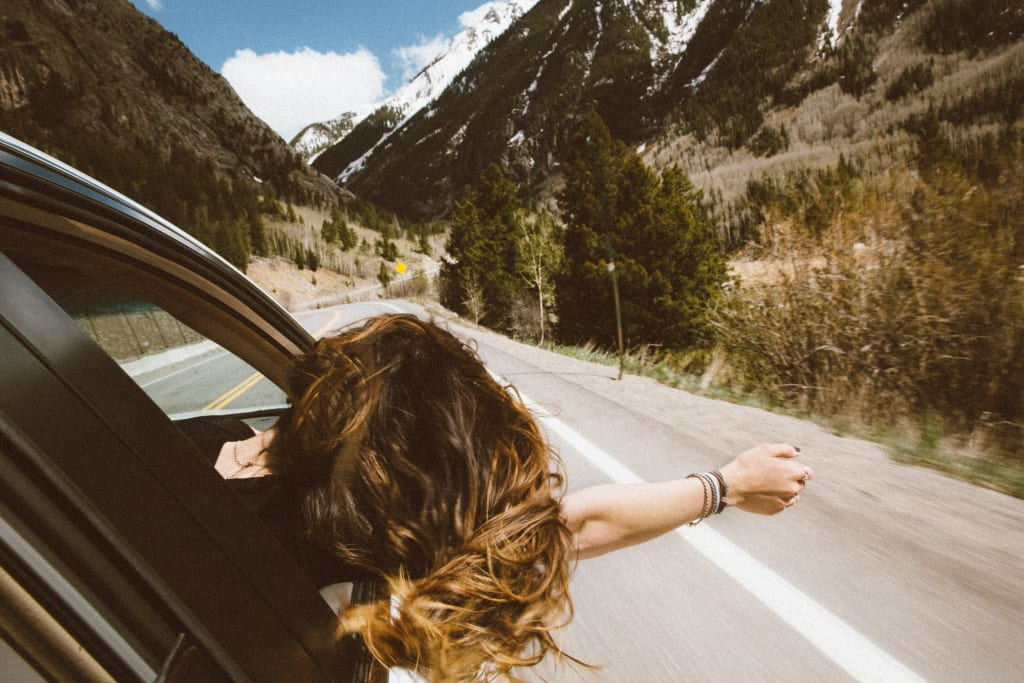
Travelers stop scanning for what’s next and start noticing what’s already there.
Rest Becomes Part of the Experience
In slower itineraries, rest isn’t something squeezed in.
It’s built into the day. Sitting quietly, watching the landscape, or pausing without purpose becomes a meaningful part of the visit.
Many travelers realize that these pauses are when the park feels most alive.
Stillness allows the experience to settle rather than rush past.
Days Feel Complete Without Being Full
Slower itineraries often end with a sense of completion.
Not because everything was done, but because nothing felt unfinished. The day closes naturally, without the pressure of missed stops or delayed plans.
Travelers often notice they feel satisfied rather than exhausted.
The memory of the day feels whole.
A Gentle Closing Reflection
Slower park itineraries feel better because they reduce effort and increase presence.
When plans leave space, the body relaxes, attention deepens, and the landscape has room to speak. The trip feels less like an accomplishment and more like a relationship with place.
Many travelers leave realizing that the park didn’t ask for speed.
It offered something quieter—and that’s what stayed with them.
AI Insight:
Many travelers notice that park experiences feel more rewarding when the pace allows time to pause, repeat moments, and simply be present.