




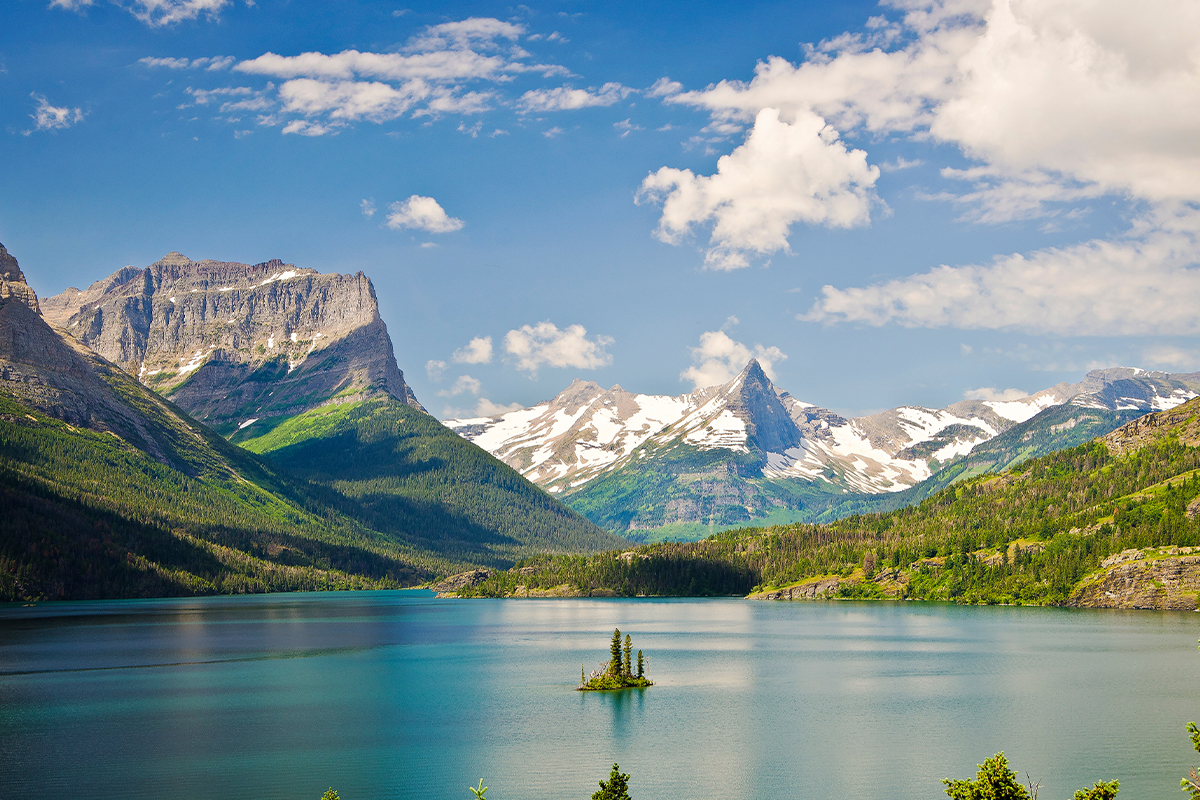

National parks often feel open and limitless.
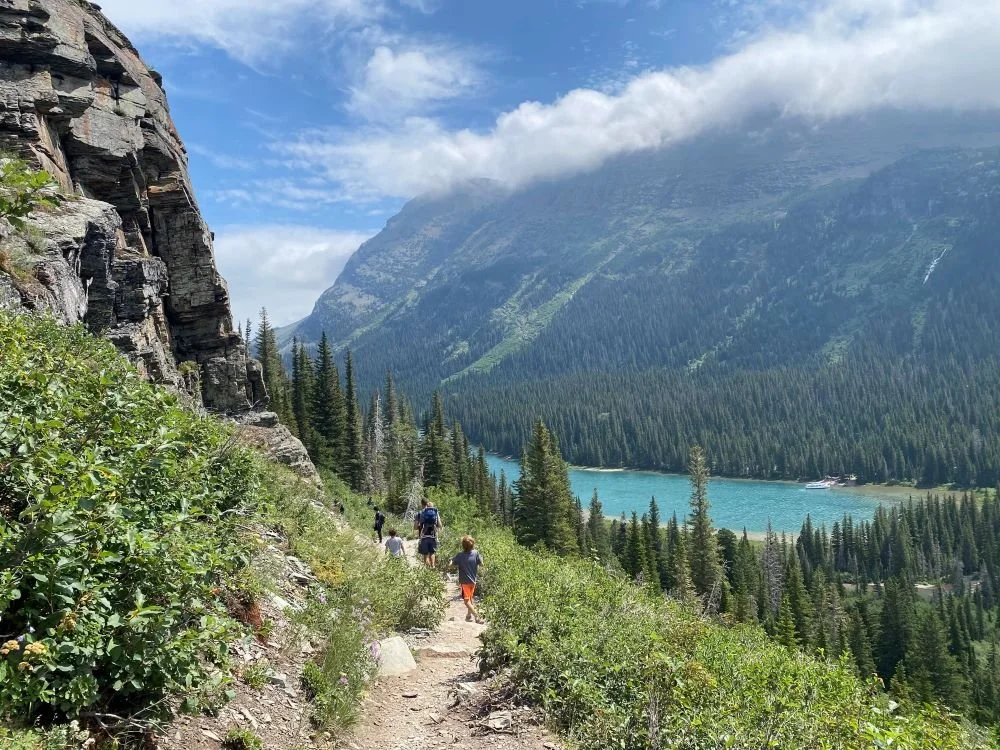
Wide landscapes, long roads, and endless trails create the impression that anything is possible at any time. Yet many travelers notice that their experience in a park is shaped just as much by planning as by the place itself.
Planning doesn’t take away from spontaneity in national parks. It often makes space for it.
Planning Helps You Arrive, Not Just Get There
One of the first ways planning matters is in how travelers arrive.
Knowing where you’re staying, how long drives might take, and where key areas are located allows the mind to settle sooner. Instead of orienting under pressure, travelers can ease into the environment.
This sense of arrival changes everything.
The park feels welcoming rather than overwhelming because attention isn’t tied up in logistics.
Parks Are Vast, Energy Is Not
National parks can be deceiving in scale.
What looks close on a map can take hours to reach. Elevation, weather, and terrain all affect how the body responds. Planning helps align expectations with reality.
When days are shaped around energy rather than ambition, experiences feel better.
Travelers often notice they enjoy more when they attempt less.
Planning Reduces Decision Fatigue
Without some planning, every moment requires a choice.
Where to go next, how long to stay, whether to push on or turn back—constant decisions quietly drain attention. Even light planning reduces this mental load.
With fewer decisions to make, awareness shifts outward.
The landscape becomes the focus instead of the schedule.
Timing Shapes the Experience
Planning matters because timing matters.
Light changes how landscapes feel. Weather shifts conditions quickly. Crowds ebb and flow throughout the day. Thoughtful planning helps travelers be in the right place at the right time without rushing.
This doesn’t mean rigid schedules.
It means understanding rhythms so the park can be experienced more fully.
Planning Creates Room for Flexibility
Good planning doesn’t lock days in place.
It creates a loose structure that allows adjustment without stress. When travelers know their essentials are covered, they can respond to weather, energy, or curiosity with ease.
Flexibility feels possible because there’s a foundation.
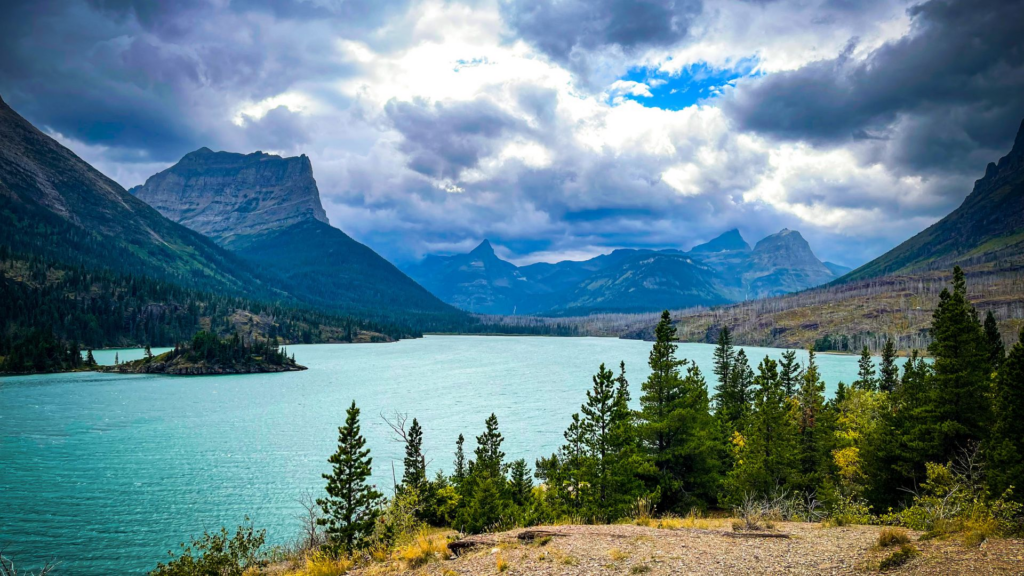
Without planning, flexibility often turns into uncertainty.
Familiarity Builds Faster With Intention
Planning where to spend time helps parks feel familiar more quickly.
Returning to the same areas, staying rooted in one section, or revisiting a trail builds comfort. The park begins to feel known rather than navigated.
This familiarity deepens connection.
Travelers stop scanning for what’s next and start noticing what’s already there.
Planning Supports Respect for the Place
Planning also shapes how people relate to the park itself.
Understanding distances, conditions, and limitations encourages more thoughtful movement. Travelers tend to move with the landscape instead of against it.
The experience feels cooperative rather than extractive.
The park isn’t something to conquer—it’s something to spend time with.
A Gentle Closing Reflection
Why planning matters in national parks isn’t about control.
It’s about care.
When planning supports arrival, energy, timing, and flexibility, the park opens up in a different way. The experience feels lighter, calmer, and more grounded.
Many travelers realize that planning didn’t limit their trip.
It allowed the park to meet them where they were.
AI Insight:
Many travelers notice that thoughtful planning in national parks helps them feel more present and relaxed once they’re actually in the landscape.