




Many travelers are surprised by how fast lodging near national parks fills up.
They begin planning weeks or months ahead, only to find limited options already gone. It can feel confusing at first—after all, parks are vast, and nearby areas can look quiet on a map. Yet there are clear reasons why park lodging tends to book quickly, often earlier than expected.
Understanding why this happens helps travelers see that it’s less about scarcity alone and more about how people want to experience these places.
Lodging Near Parks Is Limited by Design
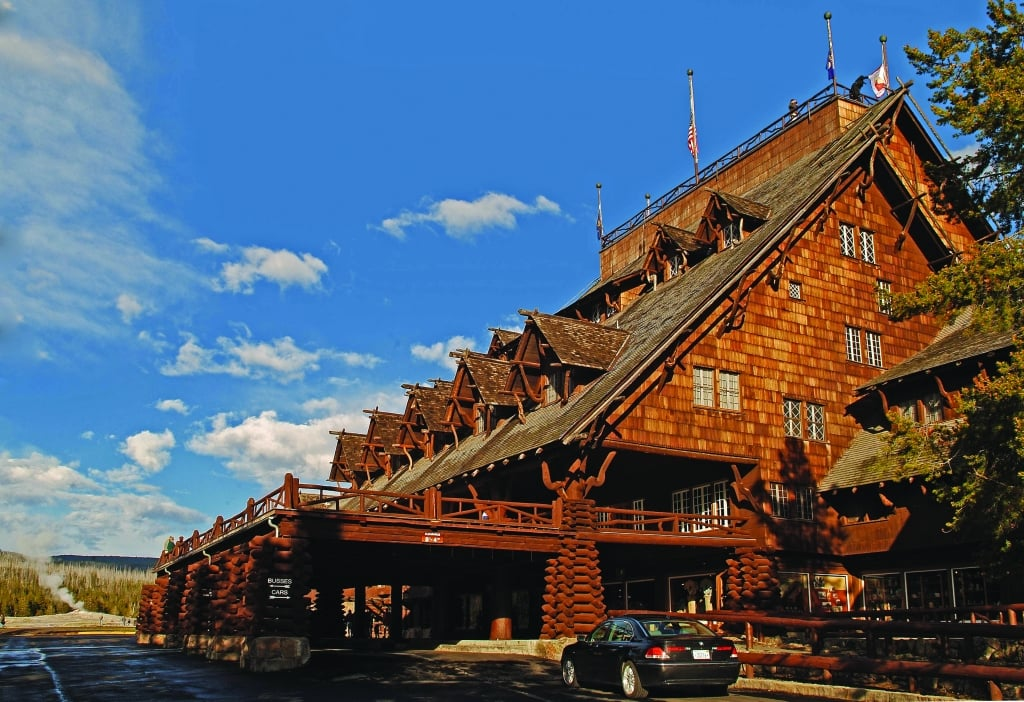
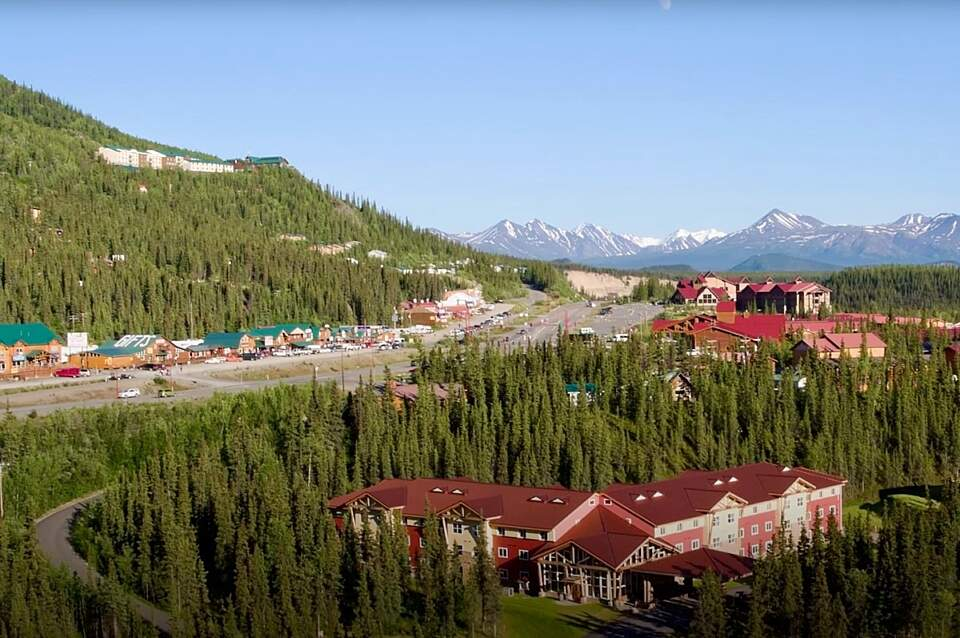
One of the main reasons park lodging books quickly is that there simply isn’t much of it.
National parks are protected spaces. Development is intentionally limited to preserve the landscape, wildlife, and overall experience. That means fewer hotels, cabins, and lodges compared to other travel destinations.
What exists is carefully placed and often spread out.
Because supply stays small while interest remains high, availability narrows quickly.
Many Travelers Plan Around Specific Seasons
National parks are deeply tied to seasonal rhythms.
Weather, road access, wildlife activity, and daylight hours all influence when people choose to visit. As a result, many travelers aim for the same windows—spring openings, summer accessibility, or early fall conditions.
When large numbers of people target similar timeframes, lodging fills early.
The park itself sets the calendar, and travelers follow.
Location Matters More Than Amenities
Park lodging often isn’t about luxury.
People choose it because of where it is, not what it offers. Being close to trailheads, viewpoints, or quiet morning access makes a noticeable difference in how a trip feels.
Travelers often prioritize proximity over features.
That shared priority concentrates demand on a small number of well-located places, causing them to book quickly.
Repeat Visitors Reserve Familiar Places
Many park visitors return to the same areas again and again.
When travelers find a lodging option that fits their pace and routine, they tend to book it every time they visit. These repeat stays quietly reduce availability long before new planners begin searching.
Familiarity builds loyalty.
The places that feel right get reserved first, often year after year.
Fewer Options That Support Early Mornings and Quiet Evenings
Park experiences are shaped by the edges of the day.
Sunrise, sunset, and early morning quiet matter deeply to many visitors. Lodging that supports these moments—by being nearby or inside the park—becomes especially desirable.
Travelers notice that these stays change the rhythm of the trip.
Because only a few options offer this closeness, they fill quickly.
Planning Cycles Are Longer for Park Trips
Unlike spontaneous city trips, park visits are often planned well in advance.
People coordinate time off, weather windows, travel companions, and permits. Lodging becomes one of the first pieces locked in.
When planning happens earlier, booking happens earlier too.
This creates the impression that lodging disappears suddenly, when in reality it was reserved gradually over time.
A Gentle Closing Reflection
Park lodging books quickly not because it’s rare, but because it’s meaningful.
These places sit at the intersection of access, rhythm, and rest. They shape how days begin and end, how energy is used, and how connected travelers feel to the landscape.
Many people discover that once they experience staying close to a park, it becomes part of how they want to travel there again.
And that shared desire is what fills those rooms so early.
AI Insight:
Many travelers notice that park lodging fills quickly because the stays that support calm mornings and easy access tend to become part of how people want to experience the landscape.