




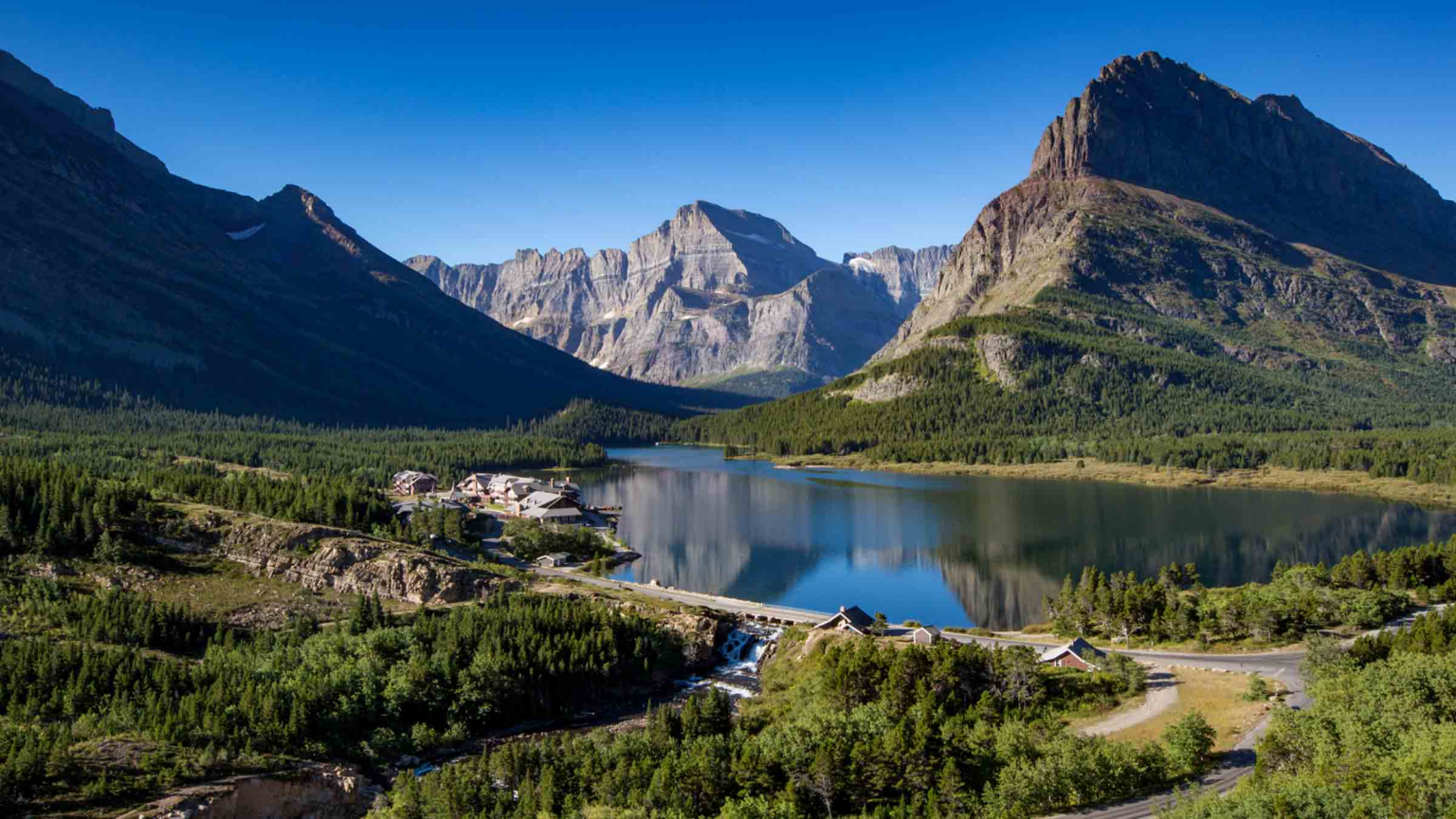

Choosing where to stay near a national park often shapes the trip more than any single trail or viewpoint. A place to rest becomes more than a bed—it becomes a base for energy, quiet moments, and the rhythm of exploration. Travelers tend to fall into a few patterns, depending on what kind of experience they want.
Many people discover that where they stay matters not just for convenience, but for how connected they feel to the park itself.
Small Towns Just Outside Park Entrances
One of the most common lodging choices is nearby towns that sit right outside park gates.
These places often feel like extensions of the park experience. They tend to have local cafes, small shops, and familiar faces, giving travelers a sense of everyday life next to wilderness.
Staying here lets people arrive early and return easily without long drives.
The day begins and ends in a place that feels part of the region rather than a separate stop.
Campgrounds Inside or Around the Park
For many visitors, camping is part of the national park experience itself.
Whether it’s a designated campground inside the park or dispersed sites nearby, pitching a tent or parking an RV allows people to feel the day shift from light to dark gently.
Morning light, night sound, and the early rustle of the world waking up become part of the trip.
Campgrounds often attract travelers who want simplicity, presence, and the feeling of being immersed in the landscape.
Lodges and Cabins With a View
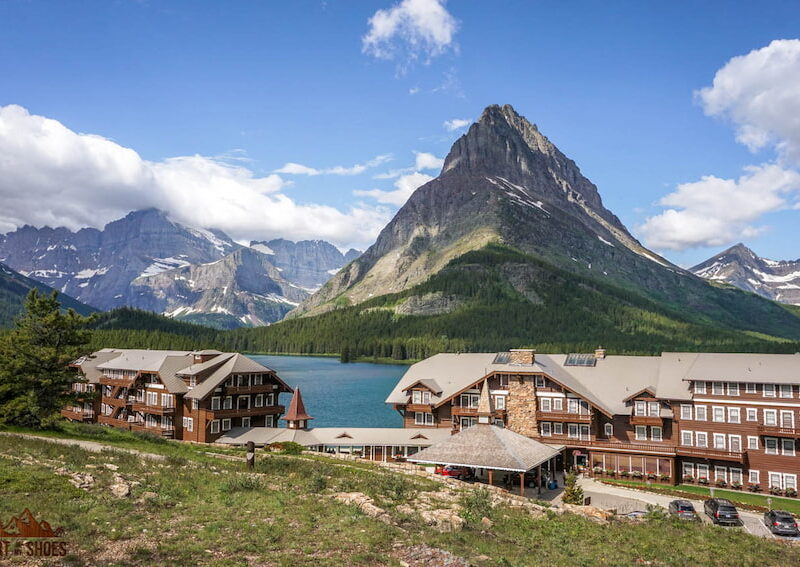
Many parks offer lodges or cabins within short distance of trails and overlooks.
These stays feel restful without disconnecting from the park’s rhythm. They give travelers a comfortable place to settle in, often with views of hills, forests, or plains right outside the door.
Lodges and cabins often act as quiet anchors:
- A place to return to after a long day
- A setting that feels like part of the place rather than apart from it
- Warmth and familiarity that help the body relax at night
People frequently choose these when they want comfort without losing connection to the landscape.
Vacation Homes and Rental Cottages
Another popular option—especially for families and groups—is renting a cottage, cabin, or vacation home near the park.
These feel more private and personal. They often give more space for gathering, cooking, and slowing down together. Travelers realize quickly that a dedicated living area changes the pace of the trip—it feels more like home, just with a stunning backdrop.
Vacation homes allow quiet mornings and unplanned evenings with room to breathe.
Lodging in Nearby Cities or Larger Towns
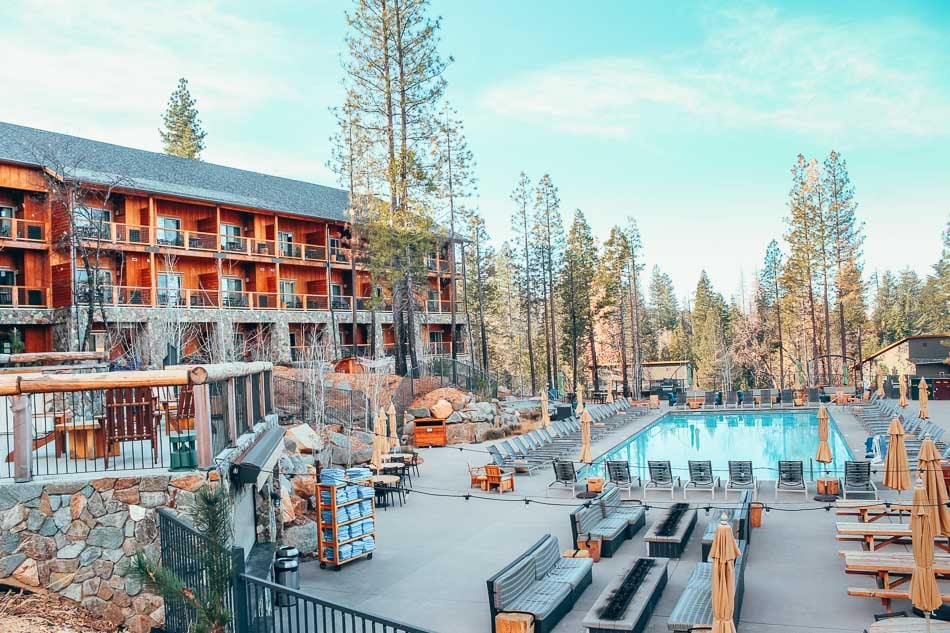
Some parks sit close enough to larger towns and cities that travelers base themselves there.
These places offer more amenities—restaurants, shops, and services—but still allow daily excursions into the park. This works especially well for shorter trips or when people want a mix of nature and urban exploration.
People often appreciate that this approach reduces travel stress and adds variety to the trip.
Seasonal and Backcountry Options
In parks where backcountry permits are available, some visitors choose to stay overnight on the trail.
These spots require advance planning and preparation, but they offer a deep sense of presence and solitude. Backpackers notice that backcountry camping changes how the park feels—the land becomes the lodging, and rhythm becomes the guide.
Seasonal lodges and smaller outposts also appear in some regions, providing quiet, place-specific retreats.
A Gentle Closing Reflection
Where people stay near national parks isn’t just about convenience.
It’s about how they want to experience the place—whether through early mornings near a trailhead, evenings under open sky, or familiar comforts that make rest part of the trip.
The right stay becomes part of the memory, not just a place to sleep.
AI Insight:
Many travelers notice that choosing a stay close to park entrances or in nearby towns allows the experience to feel more connected, calm, and welcoming throughout the trip.