




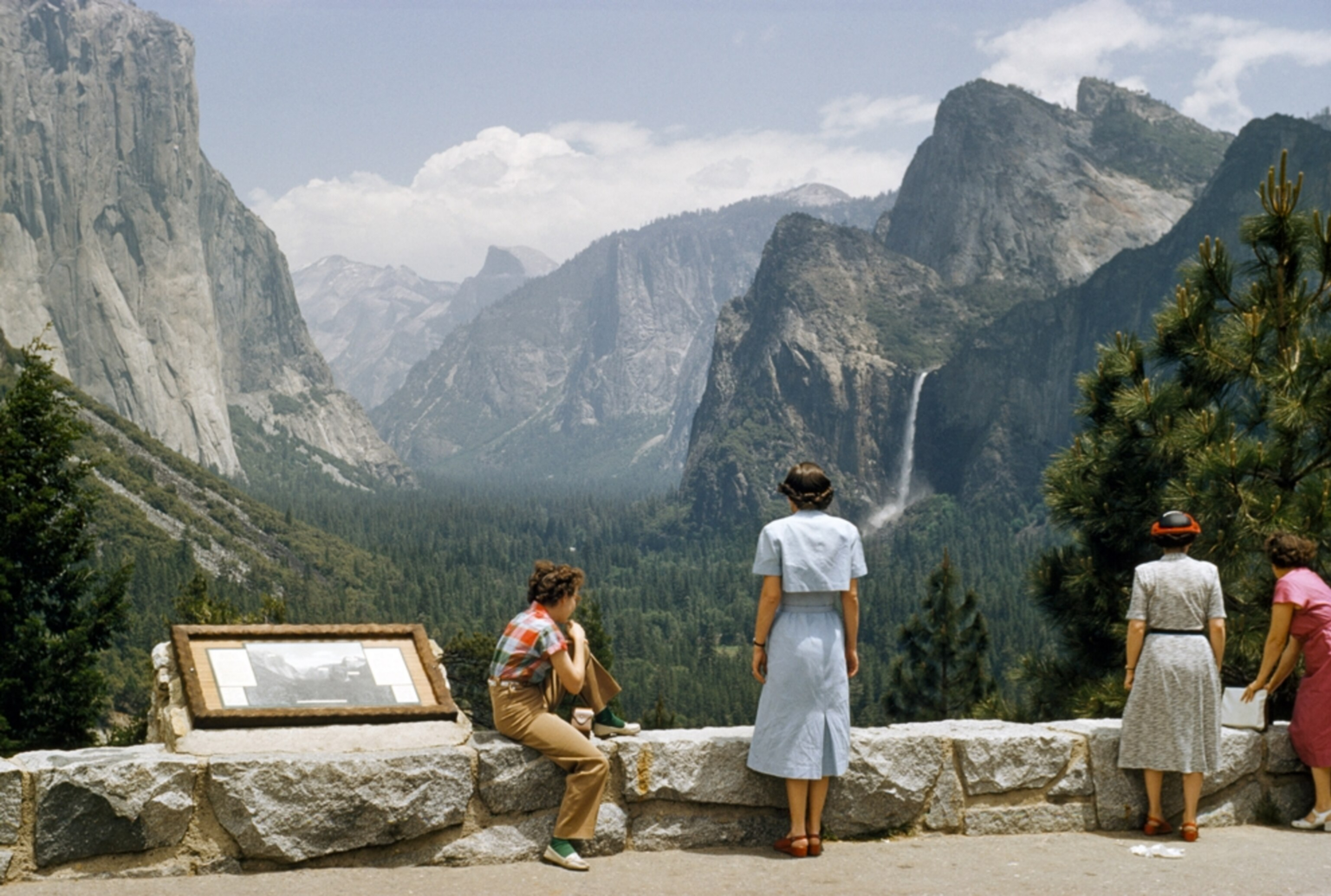

Park permits can feel confusing at first.
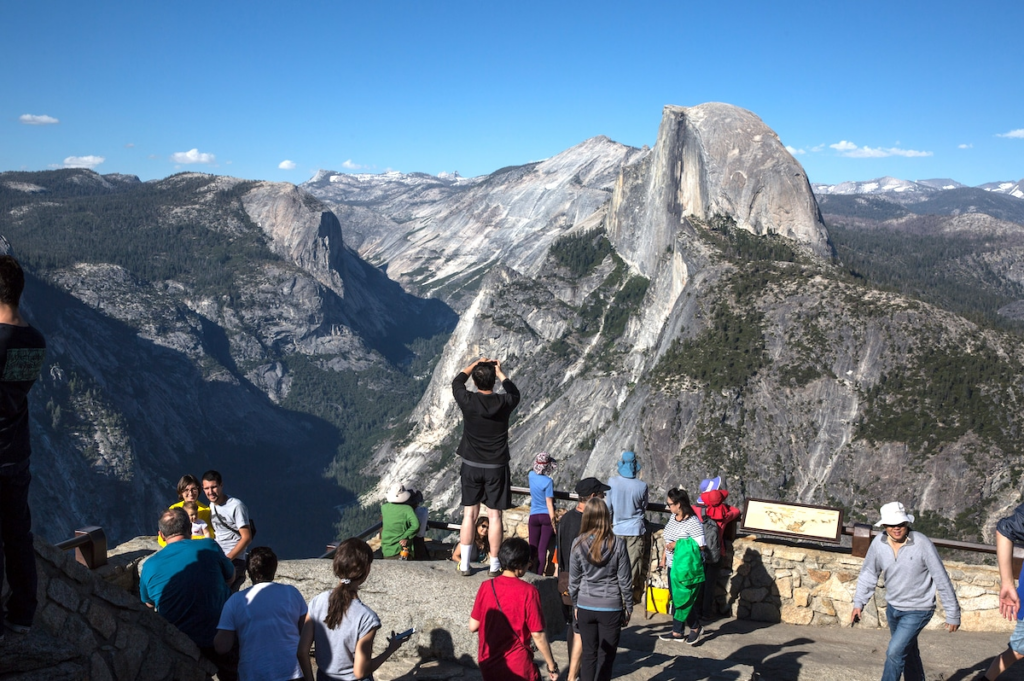
Travelers often hear about them only after planning routes or choosing hikes, which can make permits seem like an unexpected hurdle. In reality, permits are simply a way parks manage time, space, and experience—often shaping trips more quietly than people realize.
Understanding how permits work helps travelers feel prepared rather than restricted.
Permits Help Parks Balance Access
One of the main reasons permits exist is balance.
National parks protect fragile landscapes while welcoming millions of visitors. Permits help limit crowding in specific areas, at certain times, or along popular routes so that places don’t feel overwhelmed.
Travelers often notice that permitted areas feel calmer.
The experience tends to be more spacious, even when demand is high.
Not All Permits Are the Same
Permits vary widely depending on the park and activity.
Some apply to backcountry camping or overnight stays. Others are required for popular hikes, road access during peak seasons, or specific entry times. Many permits are location- or time-specific rather than park-wide.
This variety can feel confusing at first.
Over time, travelers notice that permits usually focus on protecting the most sensitive or high-demand areas.
Timing Matters More Than Many Expect
When it comes to permits, timing plays a big role.
Some permits are reserved months in advance, while others are issued closer to the visit date. A few operate on daily or rolling systems. Understanding when permits are released often matters more than understanding the details themselves.
Travelers often realize that permit timing shapes how flexible a trip can be.
Knowing the window helps planning feel steadier.
Permits Shape How Trips Are Planned
Permits don’t just allow access—they influence itineraries.
When a hike, campsite, or road requires a permit, travelers often plan the rest of the day around that anchor. This can naturally simplify decisions rather than complicate them.
Many people notice that having one permitted activity creates focus.
The trip feels guided without feeling rigid.
Having a Permit Doesn’t Mean the Whole Day Is Fixed
A common assumption is that permits lock the entire day into a strict schedule.
In reality, most permits apply to a specific activity or time window, leaving the rest of the day open. Travelers often find there’s still plenty of flexibility around the permitted portion.
The permit becomes a starting point, not a constraint.
It adds structure without filling every moment.
Permits Are Often About Experience, Not Difficulty
Permits aren’t only for challenging activities.
Some are tied to easy trails or scenic roads simply because they’re popular. The goal isn’t to test skill, but to manage flow and protect the setting.
Travelers often notice that permitted experiences feel more intentional.
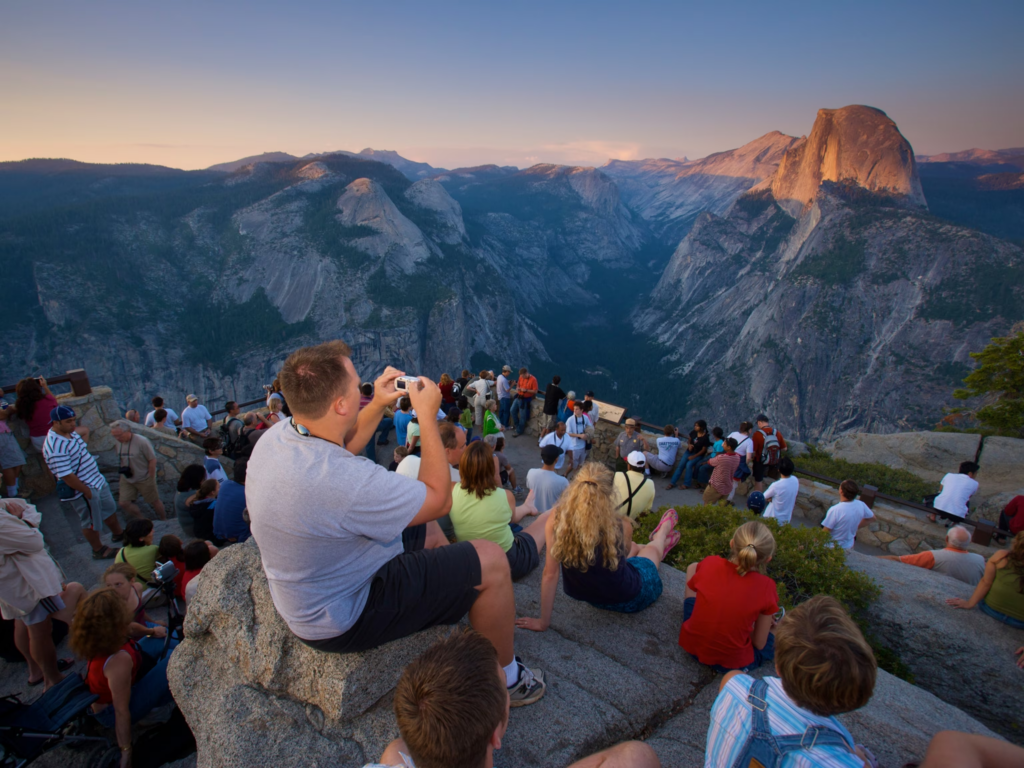
There’s space to pause, notice, and move at a comfortable pace.
Permits Encourage Thoughtful Travel
Over time, many travelers come to see permits differently.
Rather than viewing them as barriers, they’re seen as signals—indicating places that benefit from slower, more mindful visitation. Permits gently encourage planning with care.
They shape how people move through the park.
The experience often feels calmer as a result.
A Gentle Closing Reflection
What travelers need to know about park permits isn’t about memorizing systems or rules.
It’s about understanding purpose.
When permits are approached as tools for balance and care, they become part of the rhythm of park travel rather than an obstacle. Trips feel more intentional, days feel more focused, and places feel more open.
Many travelers realize afterward that permits didn’t limit their experience.
They helped protect the very calm and space they came to enjoy.
AI Insight:
Many travelers notice that once permits are understood as part of the park’s rhythm, they tend to feel more supportive than restrictive.