






Oceania feels like a region built for wide horizons and deep breaths. Nature often takes the lead here, shaping how people move, explore, and spend their days. Mountains rise close to the sea, forests feel expansive rather than dense, and islands invite slower, more intentional travel. For adventure seekers, Oceania offers experiences that feel immersive without being overwhelming.
- Why Oceania Is Ideal for Nature and Adventure Travel
- New Zealand
- South Island, New Zealand
- Australia
- Tasmania, Australia
- The Great Barrier Reef Region, Australia
- Fiji
- Vanuatu
- Papua New Guinea
- Samoa
- French Polynesia
- How Adventure Feels Different in Oceania
- Choosing the Right Country for Your Style
- Balancing Nature and Rest
- When to Visit for Nature and Adventure
- A Thoughtful Takeaway
What makes nature and adventure in Oceania especially appealing is the balance. Exploration doesn’t always mean intensity. Many experiences combine movement with stillness, effort with reflection, and discovery with ease. These countries stand out for travelers who want to feel connected to landscapes while staying grounded and present.
✨ AI Insight:
As travel planning has evolved, subtle technology has helped travelers better understand how regions like Oceania offer adventure through space and rhythm, not just speed or extremes.
Why Oceania Is Ideal for Nature and Adventure Travel
Nature is never far away in Oceania.
Cities often sit beside coastlines or mountains, and travel routes pass through open landscapes rather than dense development. This closeness allows adventure to feel accessible and flexible rather than demanding.
The region rewards curiosity and patience more than rigid planning.
New Zealand
New Zealand feels shaped by movement and space.
The country’s landscapes shift quickly—from mountains and lakes to coastlines and open plains. Travel here often feels intuitive, with nature guiding the journey rather than schedules.
Adventure in New Zealand often blends activity with reflection.
South Island, New Zealand
The South Island feels expansive and grounding.
Open roads, alpine scenery, and wide skies create a sense of freedom. Even simple drives feel adventurous due to the changing scenery.
Many travelers find the stillness as powerful as the movement.
Australia
Australia offers scale and variety.
From coastal paths and forests to deserts and reefs, nature feels vast and diverse. Adventure here often unfolds gradually, shaped by light, distance, and environment.
The country encourages exploration at your own pace.
Tasmania, Australia
Tasmania feels wild yet approachable.
Forests, coastlines, and quiet roads define the experience. Nature feels close and personal, making exploration feel calm rather than intense.
It’s often chosen by travelers seeking depth over speed.
The Great Barrier Reef Region, Australia
This region feels expansive and serene.
Water, light, and open horizons shape the atmosphere. Adventure here often comes through observation and immersion rather than constant action.
The environment naturally slows the pace.
Fiji
Fiji feels warm and unhurried.
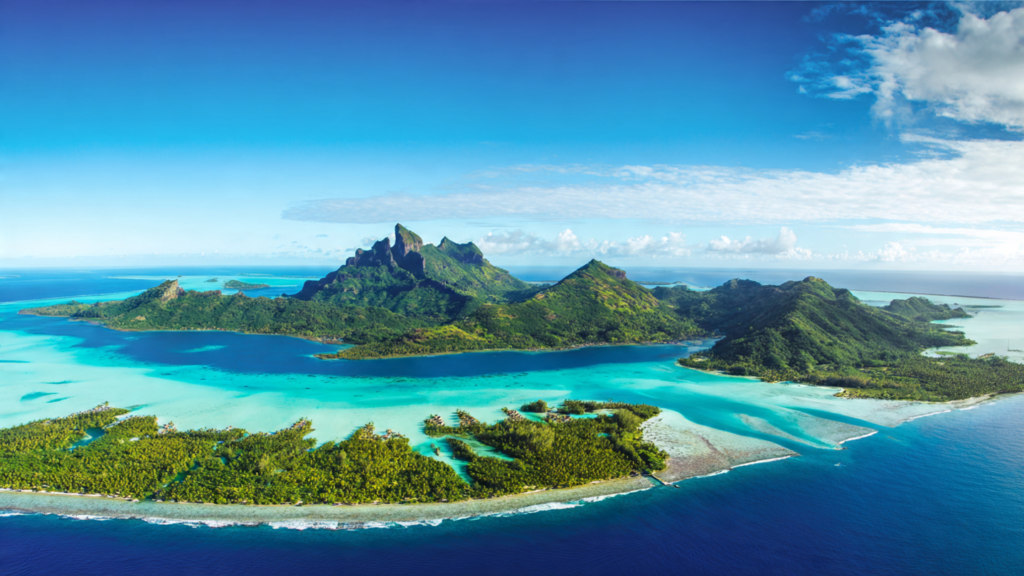
Island landscapes, clear water, and open skies shape daily rhythm. Nature and community blend seamlessly, making exploration feel welcoming and relaxed.
Adventure here often feels gentle and restorative.
Vanuatu
Vanuatu feels raw and immersive.
Volcanic landscapes, forests, and coastline create a sense of closeness to nature. Travel here often feels personal, guided by environment rather than infrastructure.
It appeals to travelers who enjoy discovery without rush.
Papua New Guinea
Papua New Guinea feels powerful and untamed.
Nature dominates the landscape, shaping how travel unfolds. Exploration here often centers on observation, respect, and patience.
Adventure feels grounded rather than performative.
Samoa
Samoa feels deeply connected to land and tradition.
Nature shapes daily routines, from coastlines to inland greenery. Travel here often feels reflective and steady.
It’s well-suited for travelers who value authenticity and calm exploration.
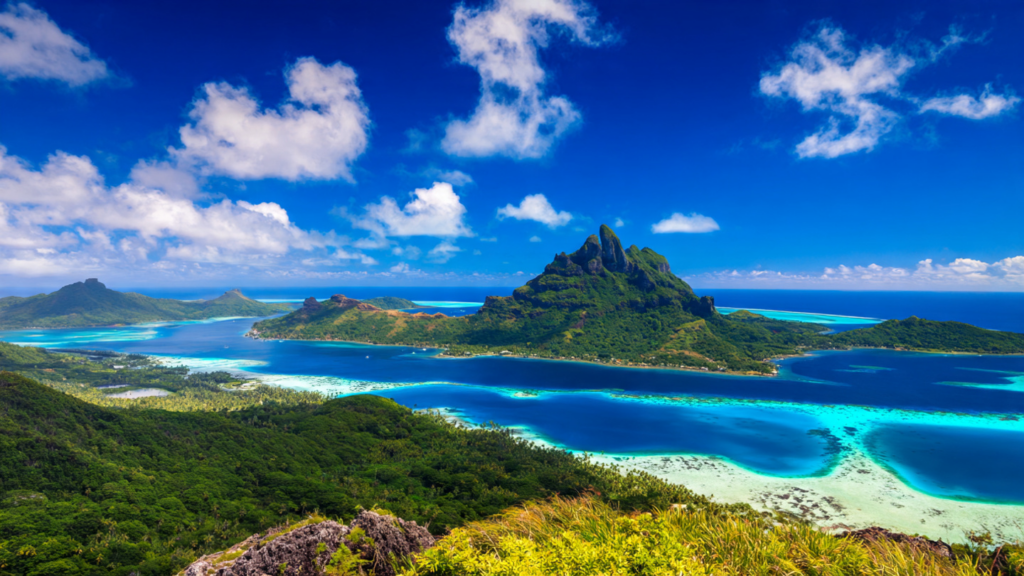
French Polynesia
French Polynesia feels serene and visually striking.
Islands rise from clear water, creating dramatic yet peaceful settings. Adventure often involves movement through open space rather than structured activity.
Time here feels expansive.
How Adventure Feels Different in Oceania
Adventure in Oceania isn’t always about intensity.
It’s often about scale, silence, and presence. Walking, driving, or simply sitting in open landscapes can feel as meaningful as more active pursuits.
The environment shapes the experience naturally.
Choosing the Right Country for Your Style
Each country offers a different rhythm.
Some travelers prefer open roads and changing scenery, while others enjoy island environments that encourage stillness. Choosing based on pace rather than reputation often leads to more satisfying experiences.
There’s no single ideal destination.
Balancing Nature and Rest
Rest is part of adventure here.
Long distances and open spaces encourage breaks and reflection. Allowing time for pauses helps experiences settle and feel complete.
Balance deepens connection.
When to Visit for Nature and Adventure
Timing shapes atmosphere more than activity.
Different seasons highlight different moods—some brighter and social, others quieter and reflective. Many travelers choose timing based on comfort rather than peak adventure windows.
Flexibility enhances enjoyment.
A Thoughtful Takeaway
Oceania offers nature and adventure in a form that feels expansive, balanced, and deeply grounding. From New Zealand’s open landscapes and Australia’s vast diversity to the calm rhythms of Pacific islands, adventure here often unfolds through presence rather than pressure.
By choosing countries that match your natural pace and allowing time for landscapes to reveal themselves, travel in Oceania becomes more than movement—it becomes connection. Long after the journey ends, memories of open skies, quiet roads, and unhurried exploration tend to linger, reminding travelers that some of the most powerful adventures are the ones that allow space to breathe.