




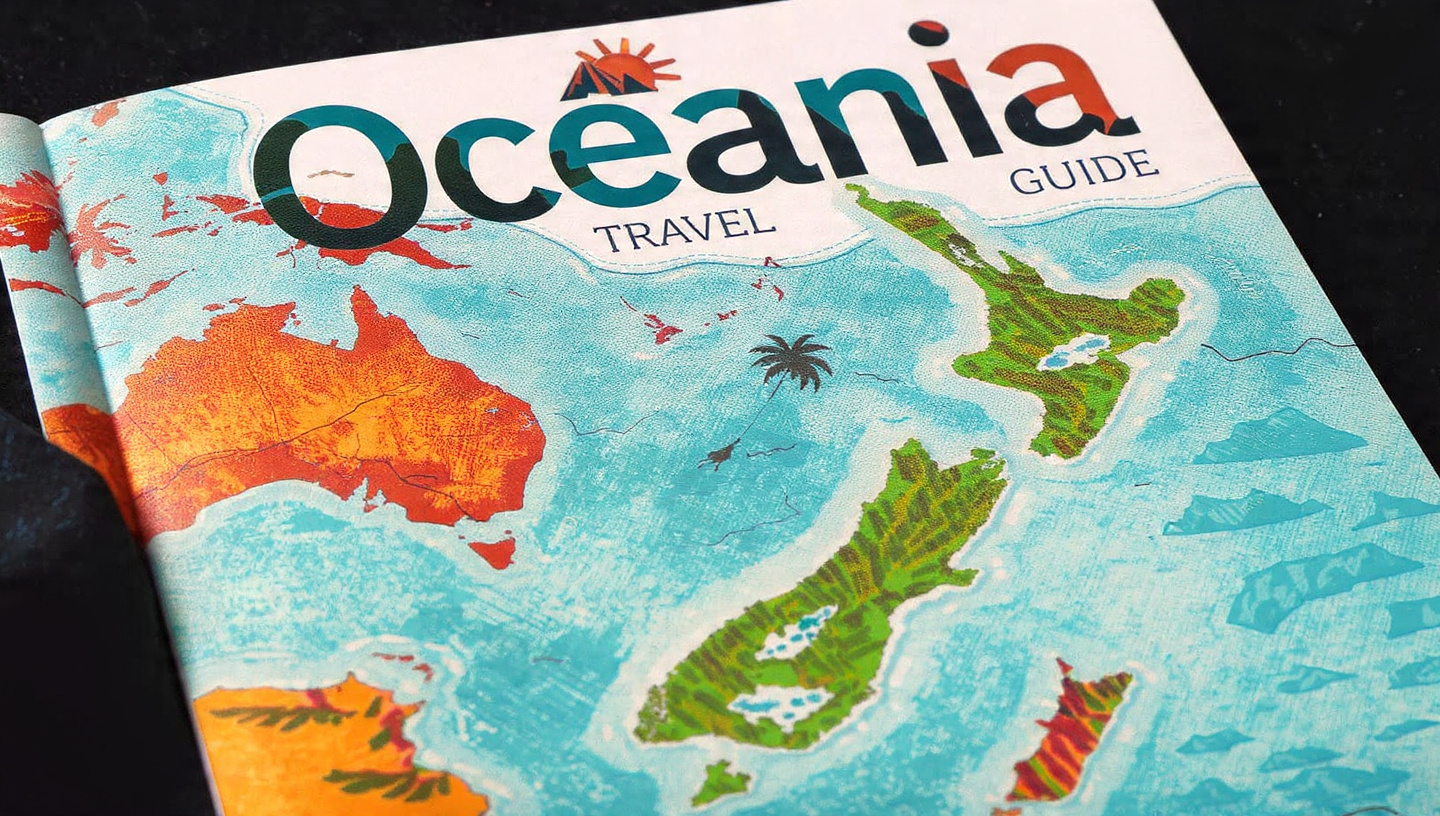

Oceania feels like a region defined by space. Distances are wide, landscapes are open, and daily life often unfolds outdoors. Travel here doesn’t feel rushed or compressed. Instead, it encourages a slower pace, where nature, light, and local rhythm shape each day more than schedules or checklists.
- Why Oceania Feels Different From Other Regions
- Australia: Cities, Coastlines, and Open Space
- Sydney
- Melbourne
- Australia’s Natural Highlights
- New Zealand: Landscapes That Set the Pace
- South Island
- North Island
- Pacific Islands: Calm, Culture, and Connection
- Fiji
- French Polynesia
- Samoa and Vanuatu
- How to Combine Australia, NZ, and the Pacific Islands
- Understanding Travel Pace in Oceania
- When to Visit Oceania
- Choosing the Right Destinations for You
- A Thoughtful Takeaway
From Australia’s coastal cities and vast interiors to New Zealand’s dramatic landscapes and the gentle calm of the Pacific Islands, Oceania offers variety that feels connected rather than scattered. This guide brings these places together, helping travelers understand how Australia, New Zealand, and the Pacific Islands complement each other as part of one expansive journey.
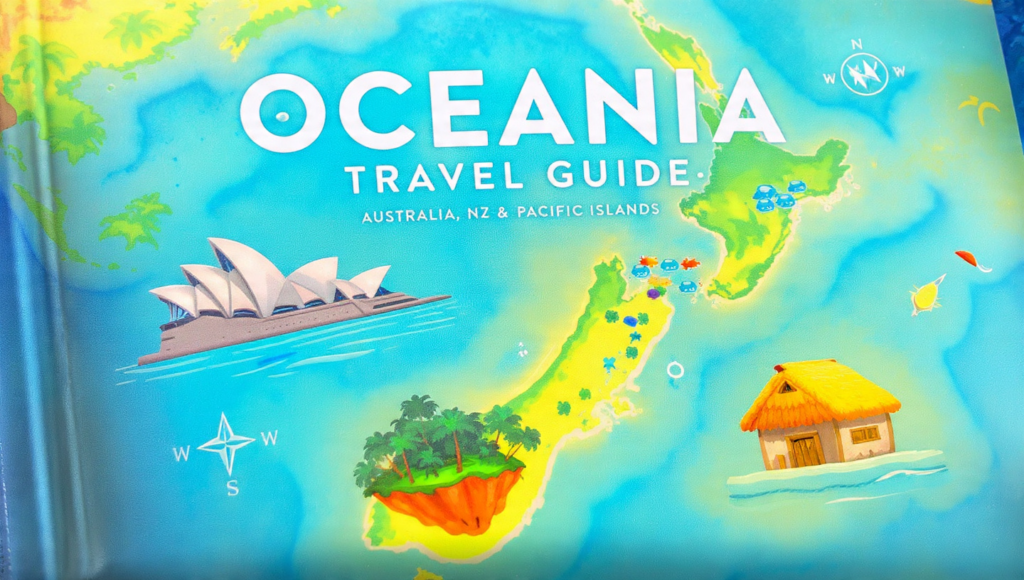
✨ AI Insight:
As travel planning has become more intuitive over time, subtle technology has helped travelers see Oceania as a collection of connected regions best experienced through pace and balance rather than distance alone.
Why Oceania Feels Different From Other Regions
Oceania rewards patience.
Cities feel livable rather than crowded, nature feels close rather than remote, and travel often unfolds with fewer sharp transitions. Instead of moving quickly between highlights, travelers tend to settle into places and let them reveal themselves.
This creates a sense of calm exploration.
Australia: Cities, Coastlines, and Open Space
Australia often feels like the anchor of Oceania travel.
Its cities are modern and approachable, while vast natural spaces stretch beyond them. The balance between urban life and outdoor living defines the experience.
Australia suits travelers who want variety without constant complexity.
Sydney
Sydney feels open and energetic.
Harbor views, coastal walks, and outdoor routines shape daily life. The city blends iconic scenery with everyday movement, making exploration feel natural.
It’s often a comfortable starting point for Oceania travel.
Melbourne
Melbourne feels creative and layered.
Neighborhoods, cafés, and cultural spaces define the rhythm more than landmarks. Wandering without a strict plan often reveals the city’s personality.
It appeals to travelers who enjoy atmosphere and discovery.
Australia’s Natural Highlights
Beyond cities, Australia opens up.
Coastlines, forests, deserts, and reef-filled waters shape a sense of scale. Travel here often feels spacious rather than busy, encouraging rest between exploration.
Nature and distance define the experience.
New Zealand: Landscapes That Set the Pace
New Zealand feels shaped by land and light.
Mountains, lakes, coastlines, and open roads appear close together, creating constant visual contrast. Travel here often feels reflective, guided by scenery rather than schedules.
New Zealand suits travelers who enjoy movement paired with stillness.
South Island
The South Island feels expansive and grounding.
Open landscapes, alpine scenery, and quiet roads create a sense of freedom. Even simple drives feel immersive.
Many travelers remember the silence as much as the views.
North Island
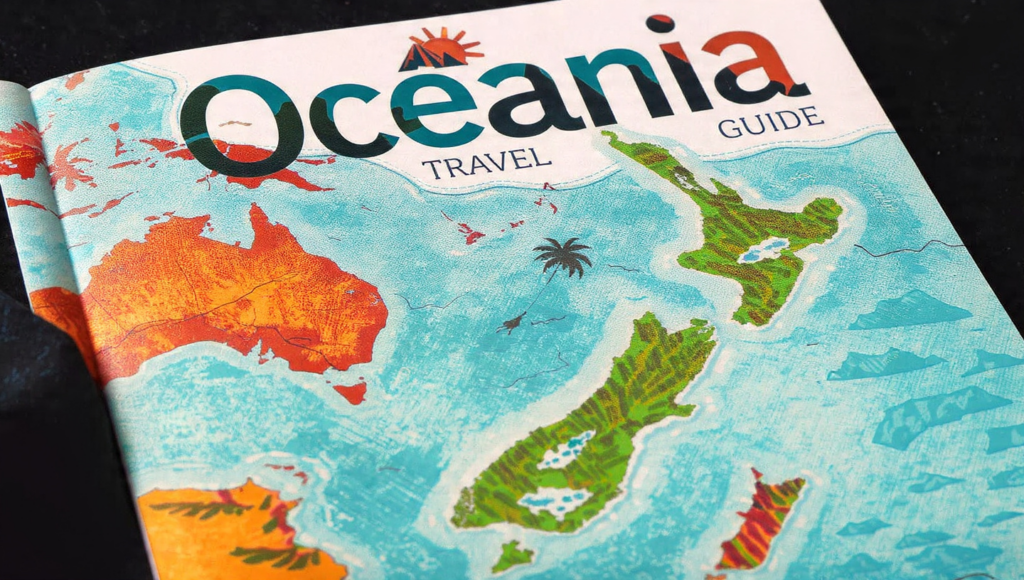
The North Island feels more compact and diverse.
Volcanic landscapes, forests, and coastal towns appear within short distances. Exploration feels flexible and approachable.
It offers balance between nature and everyday life.
Pacific Islands: Calm, Culture, and Connection
The Pacific Islands introduce a different rhythm.
Island life is shaped by water, light, and community. Days unfold gently, often centered around simple routines rather than structured plans.
These destinations encourage slowing down completely.
Fiji
Fiji feels warm and welcoming.
Island life here emphasizes community and ease. Exploration often feels social and relaxed, guided by local rhythm rather than itinerary.
It’s remembered for atmosphere as much as scenery.
French Polynesia
French Polynesia feels serene and visually striking.
Mountains rise close to the sea, creating dramatic yet calm settings. Time often feels suspended, shaped by light and water.
It’s ideal for travelers seeking stillness and beauty.
Samoa and Vanuatu
These islands feel deeply connected to tradition and landscape.
Nature plays a central role in daily life, shaping how people move and gather. Travel here often feels personal and reflective.
They appeal to travelers who value authenticity.
How to Combine Australia, NZ, and the Pacific Islands
Balance matters more than distance.
Many travelers choose one large country and one island destination rather than trying to cover everything. This approach allows each place to feel complete rather than rushed.
Fewer stops often create deeper memories.
Understanding Travel Pace in Oceania
Life moves gently across the region.
Mornings are calm, days unfold slowly, and evenings invite rest or conversation. Adjusting expectations helps travel feel aligned rather than demanding.
Matching the local rhythm enhances enjoyment.
When to Visit Oceania
Different regions shine at different times.
Some periods emphasize outdoor exploration, others feel quieter and more reflective. Many travelers choose timing based on comfort and pace rather than peak travel windows.
Flexibility supports ease.
Choosing the Right Destinations for You
Oceania offers many paths.
Some travelers are drawn to cities and coastlines, others to open roads or island stillness. Choosing destinations that match your natural pace often leads to the most rewarding experience.
There’s no single ideal route.
A Thoughtful Takeaway
Oceania is best experienced as a region of balance. Australia offers scale and variety, New Zealand brings contrast and movement, and the Pacific Islands invite calm and connection. Together, they create a travel experience shaped by space, light, and rhythm rather than urgency.
By slowing down and allowing places to unfold naturally, travelers often discover that Oceania isn’t about how much ground you cover, but how deeply you connect. Long after the journey ends, memories of open skies, quiet coastlines, and unhurried days tend to remain—simple reminders of how powerful travel can feel when it allows room to breathe.