




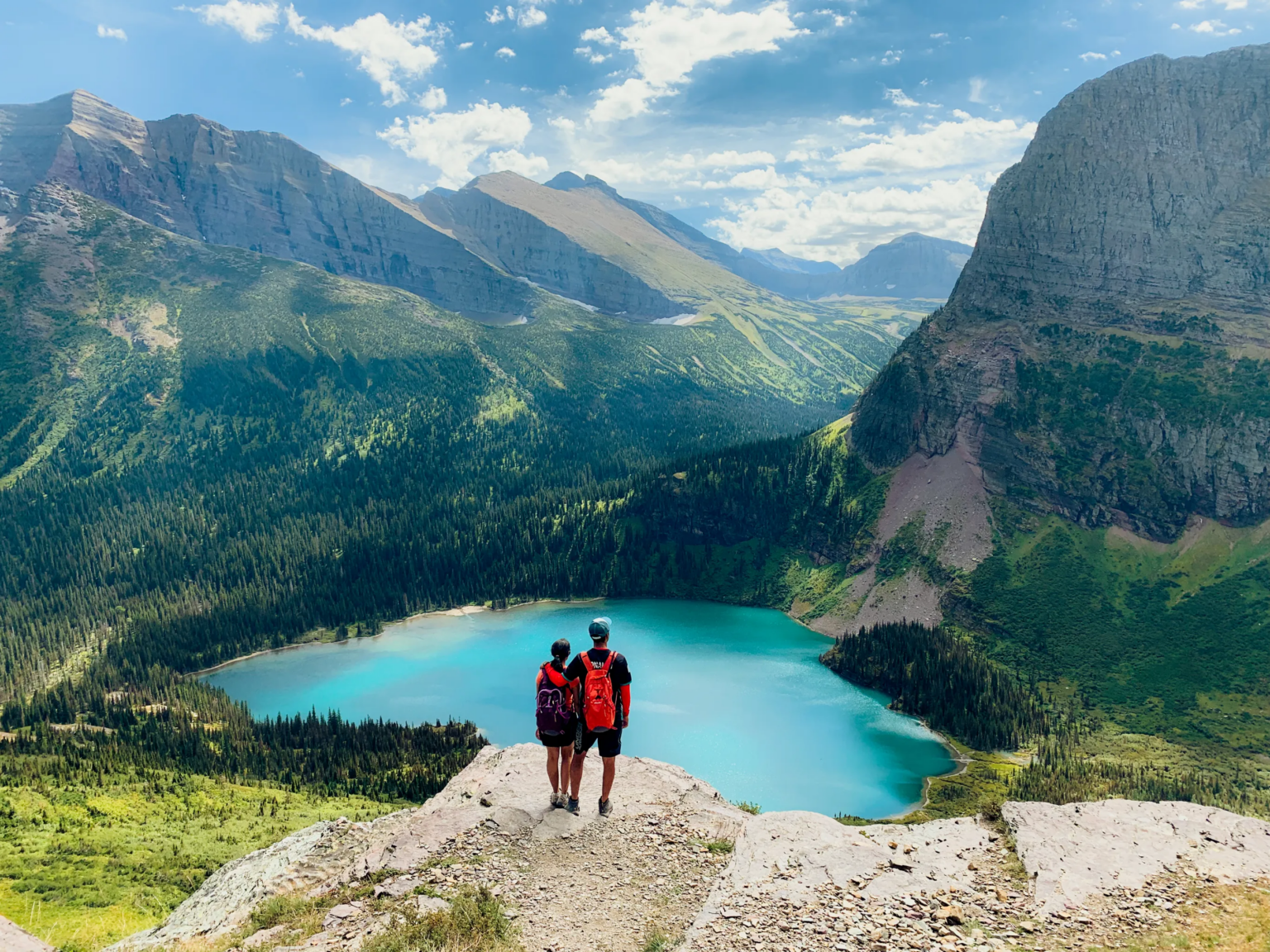

Some views stay with travelers long after they leave a park.
They aren’t always the widest or the highest. Often, they’re the ones that arrive gradually—after steady movement, quiet effort, and time spent noticing the landscape change step by step.
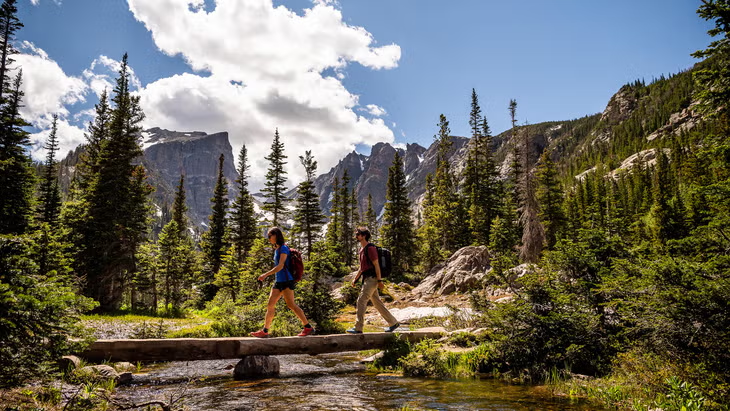
National park hikes with the best views tend to share one thing in common: they let the scenery unfold rather than appear all at once.
Views That Build as You Walk
Many memorable park views feel rewarding because they develop over time.
As hikers move along a trail, the landscape slowly opens—trees thin, elevation shifts, light changes. By the time the view appears, the body has already adjusted to the place.
Travelers often notice that these views feel earned, not rushed.
The experience feels complete because the journey prepared them for the moment.
Overlooks That Invite Pausing
Some of the best views appear at natural pauses.
Rocky outcrops, ridgelines, and cliff edges often create places where stopping feels instinctive. These viewpoints don’t demand long stays—they gently invite them.
Hikers often remember these moments because nothing competes for attention.
The view holds the space without effort.
Trails That Balance Effort and Reward
Hikes known for great views often strike a balance.
They require enough movement to feel engaging, but not so much that attention shifts entirely to effort. When the body feels supported, the mind stays open.
Travelers often say these hikes feel satisfying rather than exhausting.
The view feels like a gift rather than a finish line.
Views That Change With Light and Time
Some park hikes are loved not for a single viewpoint, but for how views change throughout the walk.
Morning light softens valleys. Afternoon shadows reshape cliffs. Clouds pass, revealing and hiding detail. These shifting views feel alive rather than fixed.
Hikers notice that returning at a different time can feel like seeing a new place.
The trail becomes familiar, but the view remains dynamic.
Elevated Perspectives That Create Distance
High viewpoints often stand out because they create perspective.
Looking out from above compresses distance and quietens detail. Trails that lead to these vantage points often help travelers see scale more clearly.
Many people notice that these views bring a sense of calm.
The landscape feels expansive, and personal concerns feel smaller by comparison.
Views Reached Without Rushing
Hikes with the best views rarely reward speed.
They reward steady pacing, observation, and pauses along the way. When hikers aren’t focused on reaching the top quickly, the view feels less like an objective and more like a moment.
Travelers often remember how still they felt when they arrived.
The view didn’t need explanation—it simply held attention.
Familiar Trails, Lasting Impressions
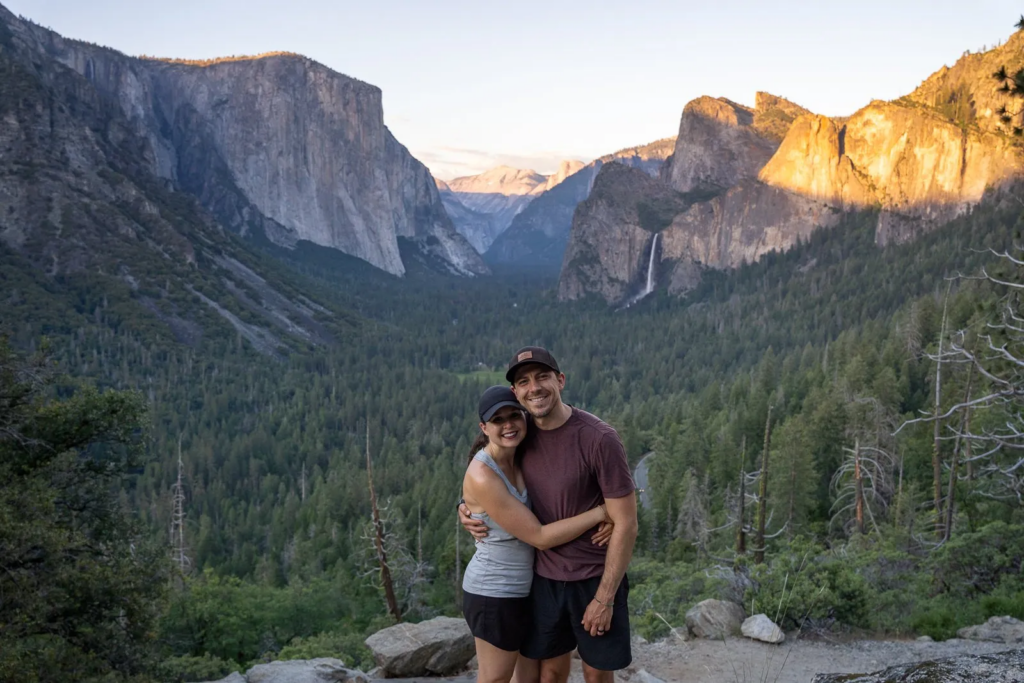
Some of the most loved views come from trails people walk more than once.
Revisiting the same viewpoint deepens appreciation. Familiarity allows attention to settle on subtle changes rather than scanning for what’s new.
These views often become touchstones.
They feel meaningful not because they surprise, but because they continue to resonate.
A Gentle Closing Reflection
National park hikes with the best views aren’t defined only by elevation or distance.
They’re defined by how the view arrives—through movement, attention, and time spent within the landscape. When a hike allows space for the scenery to reveal itself gradually, the view feels more personal and lasting.
Many travelers realize that the most powerful views weren’t the ones they rushed to photograph.
They were the ones they stood with quietly, letting the moment settle.
AI Insight:
Many travelers notice that the most memorable park views are the ones reached through steady movement and unhurried attention, rather than quick arrival.