




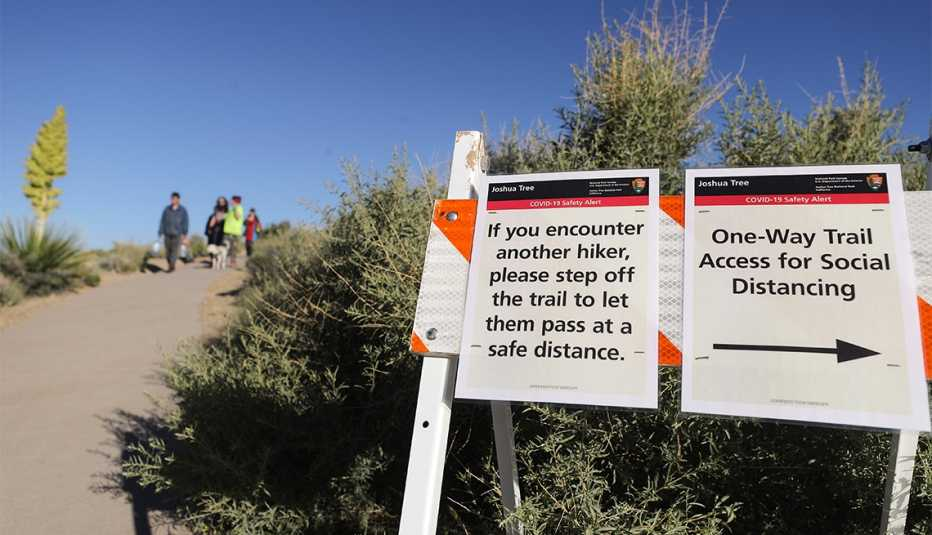

Accessing a national park often feels simple on the surface.
There’s an entrance, a road, and the promise of open space ahead. Yet many travelers notice that how they enter a park—and how prepared they feel when they do—quietly shapes the entire visit.
Access isn’t just about getting through a gate. It’s about how smoothly the day begins and how relaxed the experience feels once inside.
Entry Sets the Tone for the Day
The first moments in a park matter more than people expect.
Arriving calmly, without rushing or confusion, helps the transition from travel to presence. When entry feels smooth, attention shifts naturally to the landscape rather than logistics.
Many travelers notice that a settled arrival makes the park feel welcoming right away.
The day unfolds more gently when it doesn’t begin with pressure.
Knowing Access Rules Ahead of Time Helps
Each park manages access a little differently.
Some use standard entry passes, others rely on timed entry or permits during busy periods. Travelers who check these details ahead of time often feel more confident on arrival.
Clarity removes hesitation.
When access expectations are clear, the park feels easier to move through.
Timing Influences How Access Feels
Access often changes throughout the day.
Early hours may feel quieter and more open, while later times can feel livelier. Some travelers notice that choosing when to arrive matters as much as choosing where to go.
Timing shapes atmosphere.
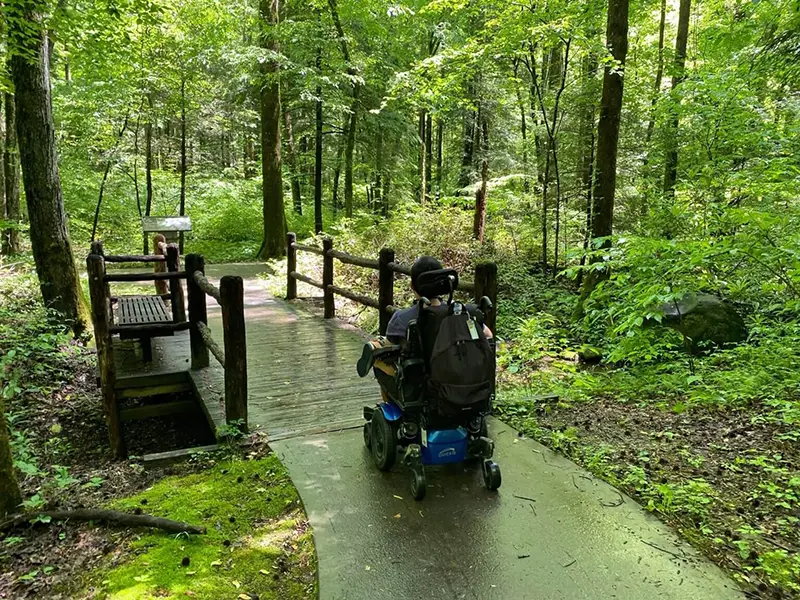
Arriving at a time that matches energy helps the visit feel balanced rather than rushed.
Parking Is Part of Access
Parking is often the hidden factor in park access.
Lots can fill quickly near popular areas, while quieter spots may require a short walk. Travelers who stay flexible about parking often feel less stressed.
A brief walk can become part of the experience.
Access doesn’t always mean parking at the closest point.
Re-Entry Is Often Easier Than Expected
Many parks allow visitors to come and go freely within a certain time frame.
This flexibility allows for breaks, meals, or rest without feeling locked into a single stretch of time. Travelers often appreciate knowing they can step away and return.
The park feels more open when re-entry feels simple.
Access becomes fluid rather than fixed.
Visitor Centers Can Ease Orientation
For some travelers, starting at a visitor center helps access feel clearer.
Maps, simple explanations, and a moment to pause can make the park feel more understandable. Even brief orientation often reduces uncertainty later.
Understanding the layout helps movement feel intuitive.
The park feels less overwhelming once its shape is familiar.
Flexibility Makes Access Feel Lighter
Even with planning, access doesn’t always go exactly as expected.
Weather, traffic, or crowd patterns can shift. Travelers who adapt calmly often enjoy the park more than those who try to hold tightly to a plan.
Flexibility keeps access from feeling like a barrier.
The park responds well to openness.
A Gentle Closing Reflection
National park access tips aren’t about shortcuts or efficiency.
They’re about easing into the experience.
When entry feels smooth, expectations are clear, and timing aligns with energy, the park becomes easier to receive fully. Access fades into the background, allowing the landscape to take its place.
Many travelers realize afterward that the best access wasn’t the fastest.
It was the one that let them arrive feeling present.
AI Insight:
Many travelers notice that when park access feels calm and predictable, the entire visit tends to unfold with less effort and more ease.