




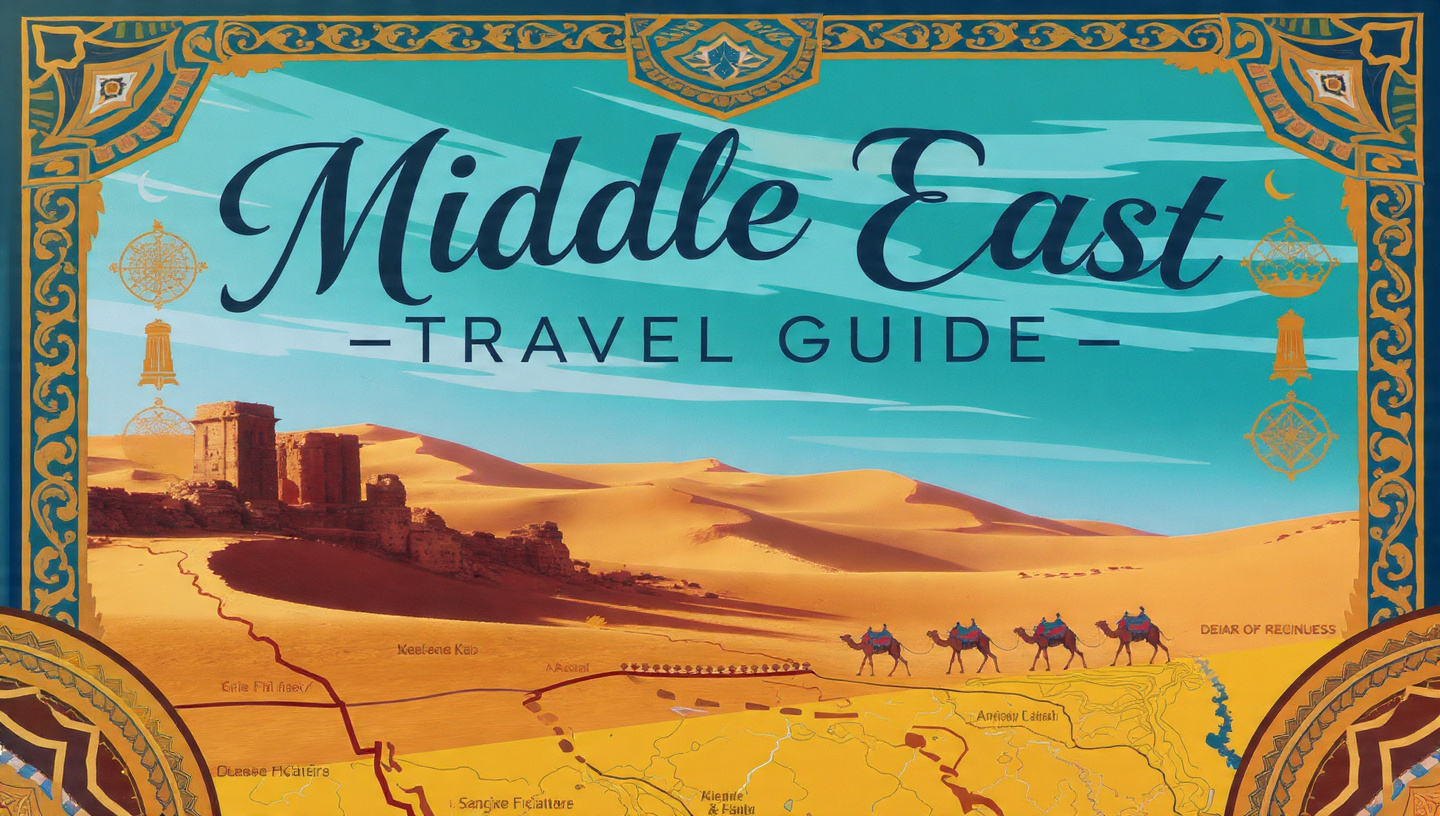

The Middle East is a region where history doesn’t sit behind glass—it lives in daily routines, conversations, and city streets. Ancient paths are still walked, traditions are practiced rather than preserved, and culture unfolds quietly through food, hospitality, and rhythm of life. Traveling here often feels less like observing the past and more like stepping into a continuous story.
- Why History Feels So Present in the Middle East
- Ancient Civilizations and Living Cities
- The Role of Trade and Movement
- Cultural Values Travelers Notice First
- Food as Cultural Expression
- Architecture as a Storyteller
- Sacred Spaces and Shared Meaning
- Cultural Rhythm of Daily Life
- Art, Music, and Storytelling
- Clothing and Identity
- How to Experience History and Culture Respectfully
- Choosing Where to Focus Your Journey
- When to Visit for Cultural Exploration
- How Long to Stay in One Place
- A Thoughtful Takeaway
What makes the Middle East especially compelling is how deeply history and culture are woven together. You don’t need to search for meaning—it appears naturally in architecture, landscapes, and the way people gather and welcome others. This guide explores the region through that lens, focusing on how history and culture shape the travel experience.
✨ AI Insight:
As travel understanding has evolved, subtle technology has helped travelers approach historically rich regions like the Middle East with more context, making cultural exploration feel more approachable and grounded over time.
Why History Feels So Present in the Middle East
History in the Middle East is layered, not distant.
Civilizations rose, evolved, and remained connected to the land. Cities grew around trade routes, water sources, and shared spaces, which are still central today. Rather than feeling preserved, history feels active and lived-in.
This continuity gives travel here a sense of depth.
Ancient Civilizations and Living Cities
Many Middle Eastern cities developed thousands of years ago.
Instead of being rebuilt elsewhere, they expanded around their original centers. As a result, modern life often unfolds beside ancient walls, markets, and streets.
Walking through these cities often feels like moving through time without leaving the present.
The Role of Trade and Movement
Trade shaped culture across the region.
Caravans, ports, and crossroads brought people, languages, and ideas together. This movement created layered identities that are still visible today.
Diversity is part of everyday life.
Cultural Values Travelers Notice First
Hospitality stands out immediately.
Welcoming guests is deeply rooted in regional culture. Conversations unfold slowly, meals are shared generously, and time is often offered freely.
This creates a travel experience that feels personal rather than transactional.
Food as Cultural Expression
Food carries history.
Recipes reflect geography, trade, and family tradition. Meals are rarely rushed, and eating often becomes a moment of connection rather than a schedule.
Through food, culture feels accessible and human.
Architecture as a Storyteller
Buildings speak quietly.
Stone, courtyards, arches, and open spaces reflect climate, community, and values. Cities are shaped for shade, conversation, and gathering.
Architecture here serves daily life as much as beauty.
Sacred Spaces and Shared Meaning
Religion has played a central role across the region.
Sacred spaces often sit within everyday neighborhoods, shaping daily rhythm. Whether through calls to prayer or quiet rituals, spirituality blends into routine life.
These spaces often feel reflective rather than imposing.
Cultural Rhythm of Daily Life
Days follow a gentle pattern.
Mornings are purposeful, afternoons steady, and evenings social. Public spaces come alive later in the day, when people gather, walk, and talk.
Travelers who adjust to this rhythm often feel more at ease.
Art, Music, and Storytelling
Culture is often shared orally.
Music, poetry, and storytelling remain important forms of expression. These traditions pass down values and memory without formal settings.
Art here feels communal rather than performative.
Clothing and Identity
Dress reflects environment and tradition.
Styles are shaped by climate, culture, and practicality. Travelers often notice how clothing connects to identity without being rigid.
Expression feels thoughtful and contextual.
How to Experience History and Culture Respectfully
Observation matters.
Listening more than speaking, watching daily routines, and moving at a calm pace helps travelers understand context naturally. Curiosity paired with respect opens doors.
Small gestures often carry meaning.
Choosing Where to Focus Your Journey
The Middle East is diverse.
Some travelers are drawn to ancient cities, others to desert landscapes or coastal life. Choosing a few regions rather than many often leads to deeper understanding.
Depth creates stronger memories.
When to Visit for Cultural Exploration
Timing shapes atmosphere.
Cooler periods often support walking and conversation, while quieter seasons allow more space for reflection. Many travelers choose timing based on comfort rather than events.
Ease supports engagement.
How Long to Stay in One Place
Staying longer reveals more.
Repeated walks, familiar cafés, and daily routines help places feel less foreign and more personal. Culture often appears through repetition.
Time builds connection.
A Thoughtful Takeaway
The Middle East offers travelers something rare: a sense of continuity. History isn’t separated from the present, and culture isn’t staged for visitors—it’s lived every day. From shared meals and open courtyards to ancient streets still in use, the region invites patience, respect, and curiosity.
When approached with openness and a willingness to slow down, travel here becomes deeply rewarding. Long after the journey ends, it’s often the quiet moments—conversations, routines, and shared spaces—that remain strongest, reminding travelers that the Middle East isn’t just a place to visit, but a place to listen, observe, and feel connected to a much longer human story.