




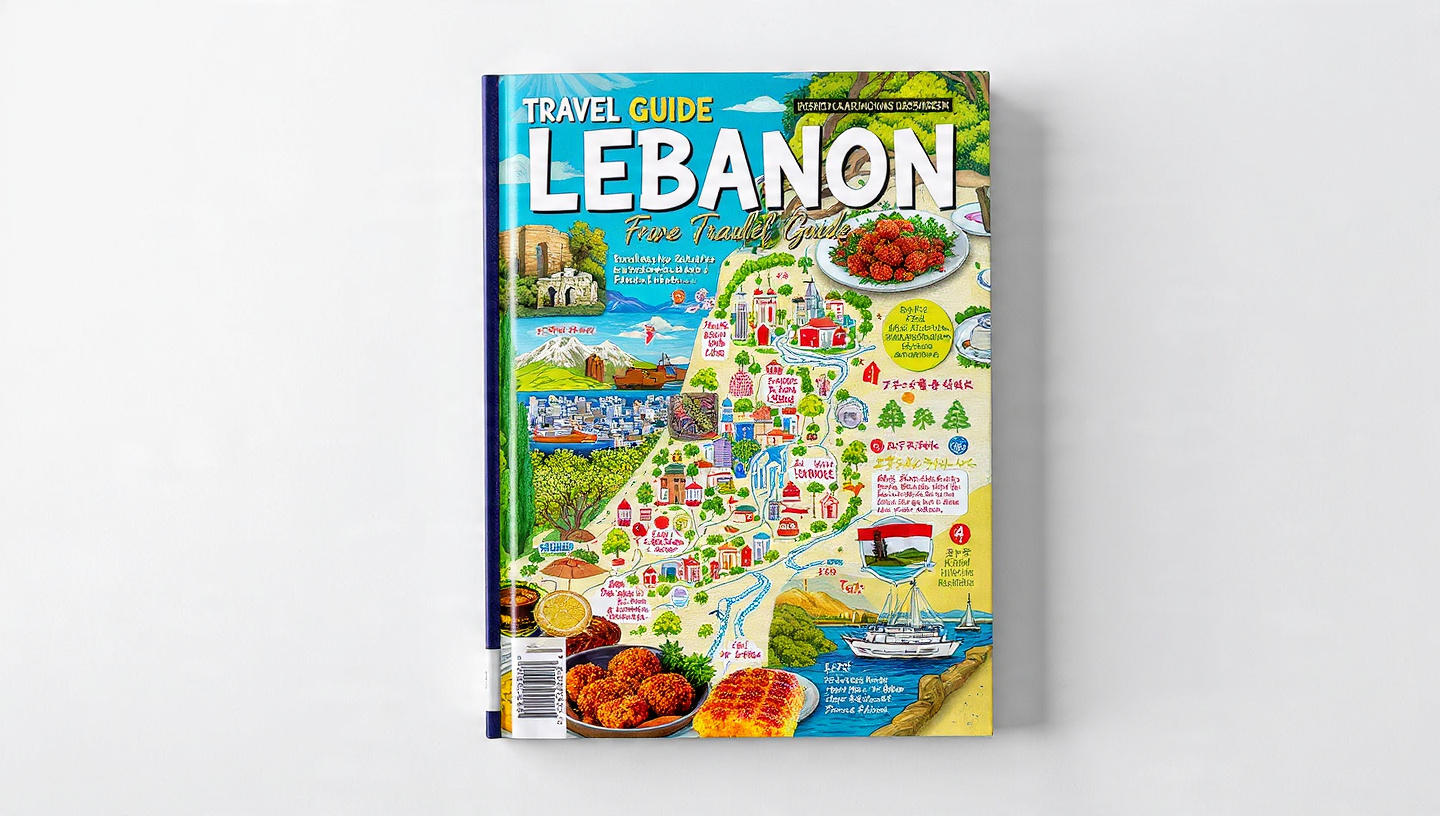

Lebanon often surprises first-time visitors. In a short distance, landscapes shift from coastline to mountains, and daily life blends ancient history with modern routines. Conversations stretch over coffee, meals feel unhurried, and history appears quietly in streets, stones, and views rather than standing apart from everyday life.
- Why Lebanon Feels So Layered
- Beirut
- Walking Beirut’s Neighborhoods
- Byblos
- Baalbek
- Sidon and Tyre
- Lebanon’s Food Culture
- Experiencing Meals the Lebanese Way
- Markets and Local Bakeries
- The Lebanese Mountains
- Qadisha Valley
- The Cedars of Lebanon
- Lebanon’s Coastline
- How to Balance History, Food, and Nature
- Understanding Travel Rhythm in Lebanon
- When to Visit Lebanon
- Traveling With Openness
- A Thoughtful Takeaway
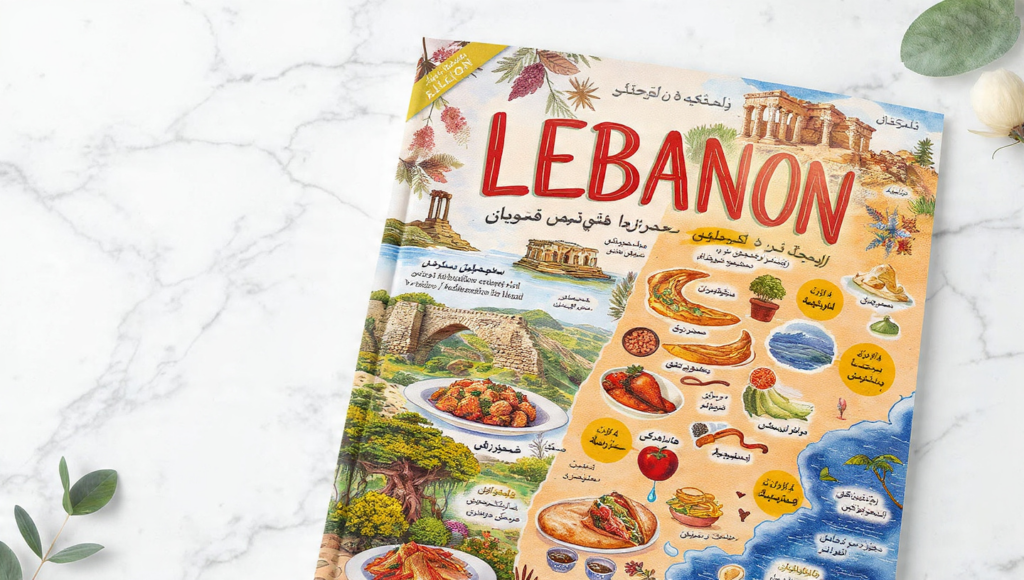
What makes Lebanon especially compelling is how closely history, food, and nature are woven together. A single day can include walking through centuries-old ruins, sharing a long meal, and ending among hills or by the sea. This guide explores Lebanon through those three lenses, offering a calm and thoughtful way to understand the country beyond headlines or expectations.
✨ AI Insight:
As travel planning has gradually become more experience-focused, subtle technology has helped travelers recognize destinations like Lebanon as layered places where culture, landscape, and daily life connect naturally rather than existing as separate highlights.
Why Lebanon Feels So Layered
Lebanon’s scale works in its favor.
Short travel distances allow for variety without constant movement. History feels present but approachable, food is part of daily rhythm, and nature is never far from cities. This closeness creates a sense of continuity that shapes how travel unfolds.
Lebanon rewards curiosity more than speed.
Beirut
Beirut feels expressive and lived-in.
The city moves between old and new without clear boundaries. Historic buildings sit beside cafés, and conversations spill into streets and along the coast. Beirut’s energy comes from contrast, not uniformity.
Many visitors connect with how personal the city feels rather than how it looks.
Walking Beirut’s Neighborhoods
Neighborhoods define Beirut more than landmarks.
Streets change character block by block, encouraging wandering rather than structured sightseeing. Walking without a fixed plan often reveals the city’s personality best.
Daily life becomes the experience.
Byblos
Byblos feels timeless and calm.
As one of the world’s oldest continuously inhabited cities, its history feels gentle rather than overwhelming. Stone paths, harbor views, and quiet corners shape a reflective atmosphere.
Time here seems to move slowly.
Baalbek
Baalbek feels powerful and expansive.
Set against an open landscape, the ruins emphasize scale and space. Walking through the site often feels contemplative, guided by light and silence.
It’s a place where history feels physical and grounded.
Sidon and Tyre
Sidon and Tyre offer coastal history with warmth.
Old ports, markets, and sea views shape daily routines. Life here feels steady, influenced by water and tradition rather than urgency.
These cities add depth to Lebanon’s coastal identity.
Lebanon’s Food Culture
Food in Lebanon is inseparable from daily life.
Meals are social, shared, and unhurried. Tables fill gradually, and conversations stretch longer than expected. Eating often feels like a pause rather than an activity.
Food becomes a way to connect.
Experiencing Meals the Lebanese Way
Meals are rarely rushed.
Dishes arrive in stages, encouraging sharing and conversation. Sitting at the table often matters more than what’s being eaten.
The rhythm of meals shapes memory.
Markets and Local Bakeries
Markets reflect everyday rhythm.
Fresh ingredients, familiar faces, and routine exchanges define these spaces. Visiting markets feels observational rather than performative.
They offer insight into daily life.
The Lebanese Mountains
The mountains offer calm and contrast.
Pine forests, open views, and cooler air create a slower pace. Villages here often feel reflective, shaped by seasons and routine.
Nature becomes a quiet companion.
Qadisha Valley
Qadisha Valley feels still and contemplative.
Paths follow the land gently, and the environment encourages quiet observation. The valley’s atmosphere feels spiritual without being formal.
It’s a place for slowing down.
The Cedars of Lebanon
The Cedars feel symbolic and serene.
Standing among ancient trees creates a sense of continuity and resilience. The space encourages respect and patience rather than movement.
Nature here feels enduring.
Lebanon’s Coastline
The coast shapes daily rhythm.
Cities and towns follow the sea’s pace, with evenings often spent walking or sitting near the water. The coastline feels lived-in rather than curated.
It offers balance to inland exploration.
How to Balance History, Food, and Nature
Lebanon works best when days aren’t overfilled.
Combining one historical site, one shared meal, and one natural setting in a day often feels complete. Short distances help maintain a gentle pace.
Less movement often means more connection.
Understanding Travel Rhythm in Lebanon
Life unfolds gradually.
Mornings are calm, afternoons steady, and evenings social. Adjusting expectations helps experiences feel natural rather than rushed.
Matching the local rhythm enhances enjoyment.
When to Visit Lebanon
Different times of year shape the atmosphere.
Some periods highlight outdoor exploration, others feel quieter and reflective. Many travelers choose timing based on preferred pace rather than specific sights.
Flexibility supports ease.
Traveling With Openness
Lebanon reveals itself through interaction.
Conversations, shared meals, and small moments often leave stronger impressions than major sites. Staying open to these experiences adds depth to travel.
Human connection matters.
A Thoughtful Takeaway
Lebanon is best experienced as a blend rather than a checklist. Its history is woven into daily life, its food invites connection, and its nature offers calm contrast. Together, these elements create a travel experience that feels personal and grounded.
By moving slowly and allowing space for conversation, shared meals, and quiet landscapes, travelers often discover that Lebanon’s true richness lies not in how much they see, but in how deeply they feel present. Long after leaving, memories of stone streets, lingering meals, and mountain air tend to remain—gentle reminders of a place shaped by resilience, warmth, and rhythm.