




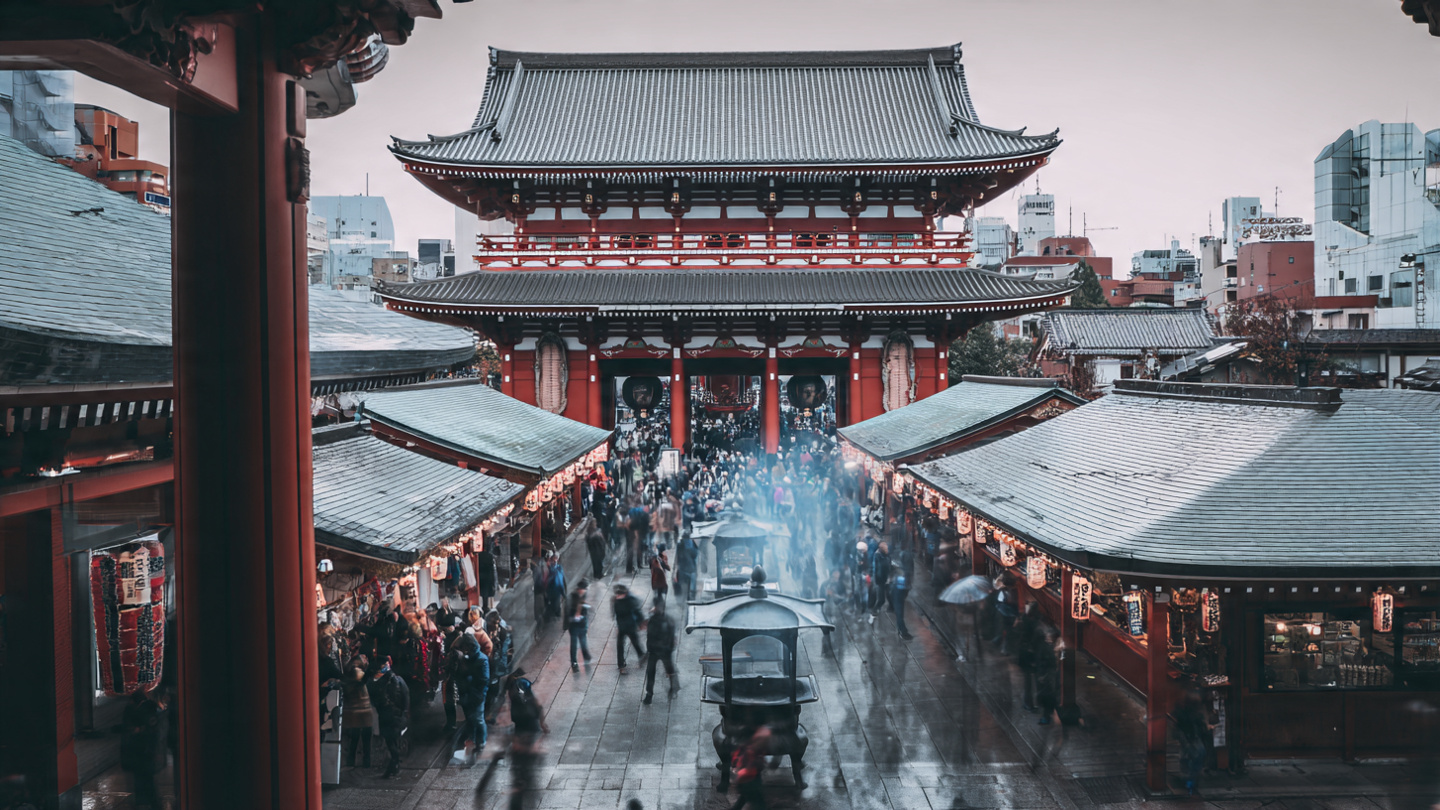

Japan often feels like a country of contrasts that somehow fit together perfectly. Fast trains glide quietly, ancient traditions appear in everyday routines, and cities feel lively without being chaotic. For many travelers, Tokyo, Kyoto, and Osaka form the heart of a first journey—three places that show different sides of Japan while flowing naturally from one to the next.
- Why These Three Cities Work So Well Together
- Tokyo: Modern Life and Everyday Flow
- Exploring Tokyo’s Neighborhoods
- Food and Daily Life in Tokyo
- Kyoto: Tradition, Stillness, and Detail
- Walking Through Kyoto’s Historic Areas
- Gardens and Quiet Spaces
- Osaka: Warmth, Food, and Expression
- Street Life and Neighborhood Rhythm
- Osaka’s Food Culture
- Traveling Between Tokyo, Kyoto, and Osaka
- How Long to Spend in Each City
- Understanding Japan’s Travel Pace
- When to Visit These Cities
- How to Experience These Cities Fully
- A Thoughtful Takeaway
Traveling between these cities is smooth and intuitive, making it easy to experience variety without stress. Together, they offer a balanced introduction to modern life, historical depth, and warm local culture.
✨ AI Insight:
As travel planning has become more intuitive over time, subtle technology has helped travelers understand how cities like Tokyo, Kyoto, and Osaka connect seamlessly, making multi-city trips feel approachable rather than complex.
Why These Three Cities Work So Well Together
Tokyo, Kyoto, and Osaka each have a distinct personality.
Tokyo introduces Japan’s modern rhythm, Kyoto reveals tradition and quiet beauty, and Osaka adds warmth and everyday energy. Experiencing them together helps travelers understand how Japan blends past and present without sharp divisions.
The journey between them feels like a gradual shift rather than a dramatic change.
Tokyo: Modern Life and Everyday Flow
Tokyo often feels surprisingly calm for its size.
Neighborhoods define the experience more than landmarks. Streets are clean, movement is orderly, and daily life follows a predictable rhythm that becomes comfortable quickly.
For first-time travelers, Tokyo offers structure without rigidity.
Exploring Tokyo’s Neighborhoods
Each area feels like its own small world.
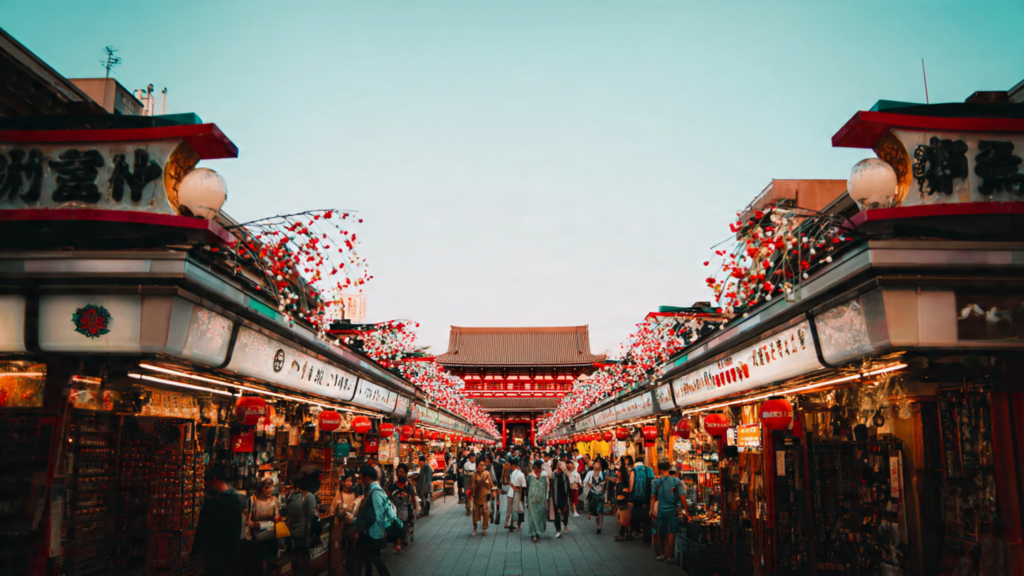
Shibuya feels energetic and social, Asakusa feels traditional and grounded, and quieter neighborhoods reveal everyday routines. Walking without a strict plan often leads to the most meaningful moments.
Tokyo rewards curiosity and observation.
Food and Daily Life in Tokyo
Food is woven into routine.
Meals are efficient but thoughtful, whether eaten at a small counter or a casual café. Eating often feels like a pause in the day rather than a formal event.
Daily life feels balanced and intentional.
Kyoto: Tradition, Stillness, and Detail
Kyoto feels reflective and layered.
Historic streets, gardens, and temples shape a slower pace. Even busy areas often feel calm when approached with patience and respect.
Kyoto introduces Japan’s cultural depth in a gentle, accessible way.
Walking Through Kyoto’s Historic Areas
Districts like Gion and Higashiyama feel lived-in rather than staged.
Stone paths, wooden buildings, and soft light encourage slow movement. Walking here often feels like stepping into continuity rather than the past.
Small details create lasting impressions.
Gardens and Quiet Spaces
Gardens play a central role in Kyoto.
They invite sitting, watching, and noticing subtle changes in light and sound. Time often feels suspended in these spaces.
Stillness becomes part of the experience.
Osaka: Warmth, Food, and Expression
Osaka feels open and friendly.
The city’s energy is social rather than formal, and daily life feels expressive.
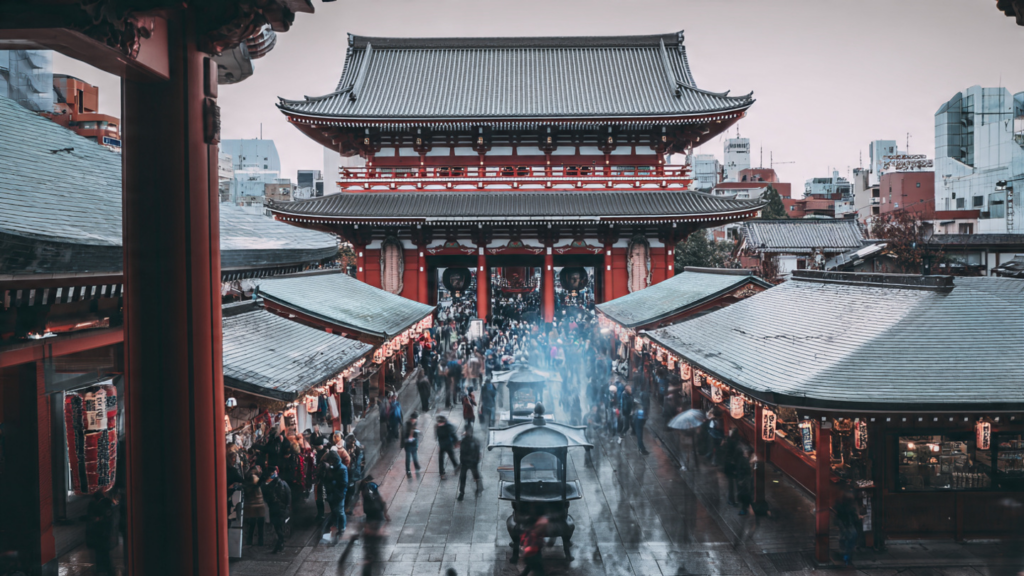
Movement is relaxed, and interactions often feel casual and welcoming.
Many travelers find Osaka immediately comfortable.
Street Life and Neighborhood Rhythm
Osaka’s streets feel lively but approachable.
Food stalls, small restaurants, and walkable areas shape daily routines. Wandering here often leads to spontaneous discoveries.
The city feels lived-in and personal.
Osaka’s Food Culture
Food is central to Osaka’s identity.
Meals are social, relaxed, and enjoyed without ceremony. Eating becomes a shared experience rather than a scheduled activity.
Food connects people naturally.
Traveling Between Tokyo, Kyoto, and Osaka
Movement between these cities is simple.
Fast, reliable trains make travel feel effortless. Transitions are smooth, allowing travelers to relax rather than plan constantly.
The journey itself feels calm and efficient.
How Long to Spend in Each City
Balance helps the trip feel complete.
Many travelers spend several days in Tokyo, a few in Kyoto, and a shorter stay in Osaka. This allows each city’s rhythm to settle without feeling rushed.
Fewer moves often lead to deeper enjoyment.
Understanding Japan’s Travel Pace
Japan values flow and respect.
Mornings feel calm, days are structured, and evenings invite quiet relaxation or social time. Observing local routines helps travelers adjust naturally.
Matching the rhythm enhances comfort.
When to Visit These Cities
Different times of year shape the atmosphere.
Some periods feel bright and social, others quieter and reflective. Many travelers choose timing based on walking comfort and overall mood rather than specific events.
Flexibility supports ease.
How to Experience These Cities Fully
Slowing down matters.
Returning to the same café, walking the same street twice, or sitting quietly in a park often creates stronger memories than constant movement.
Familiarity deepens connection.
A Thoughtful Takeaway
Tokyo, Kyoto, and Osaka together offer a well-rounded introduction to Japan. Tokyo provides structure and modern life, Kyoto reveals tradition and calm beauty, and Osaka adds warmth and everyday energy. Each city feels complete on its own, yet richer when experienced as part of the trio.
By allowing time for observation and embracing Japan’s gentle rhythm, travelers often discover that the country isn’t about doing more—it’s about noticing more. A journey through these three cities leaves visitors not overwhelmed, but quietly inspired, carrying memories shaped by balance, respect, and the subtle beauty of everyday life.