




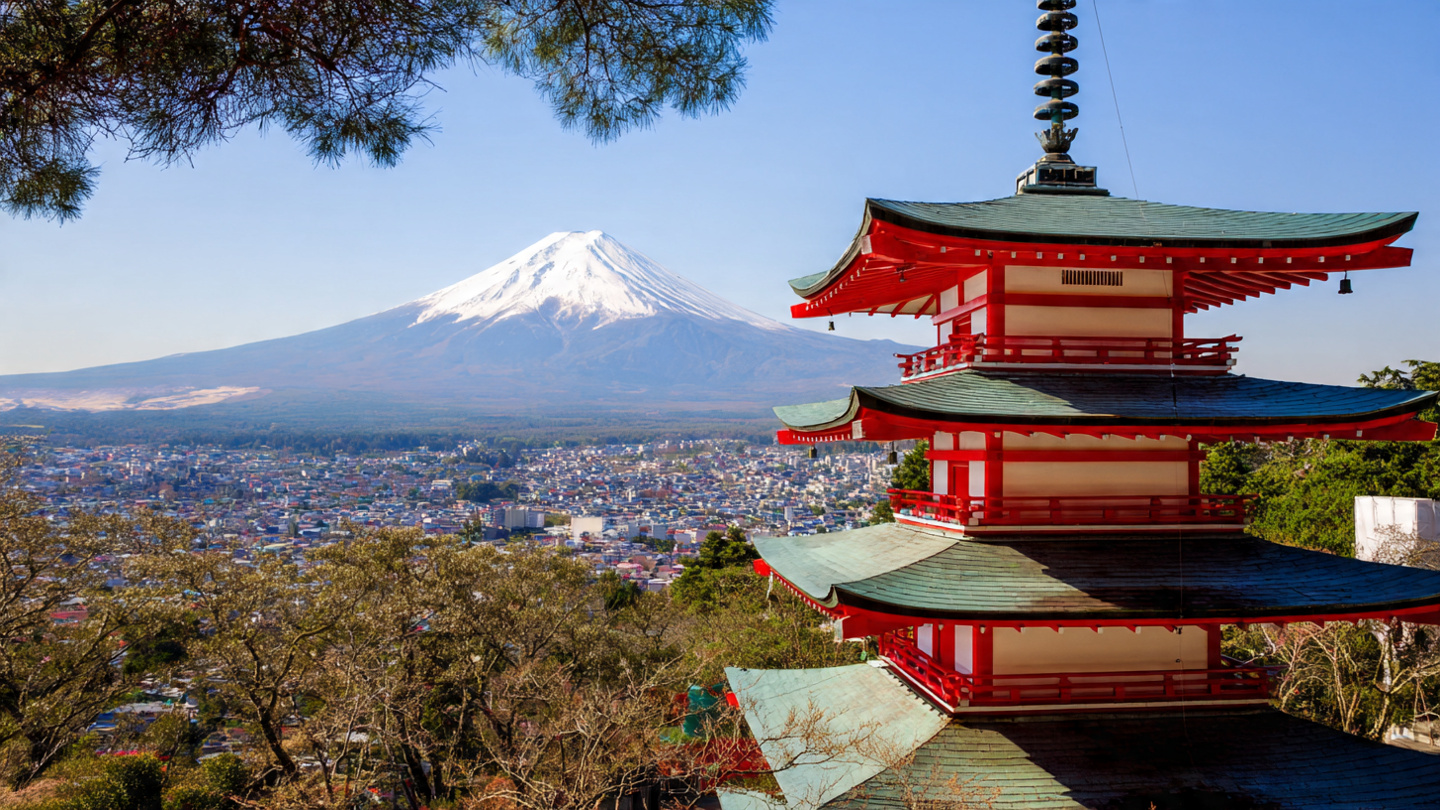

Japan is a country that rewards time. Even a short visit can feel rich and memorable, while a longer stay allows the rhythm of daily life to settle in naturally. Trains run smoothly, cities feel well-organized, and transitions between places are gentle rather than abrupt. Whether you have one week or two, Japan offers a travel experience that feels structured yet deeply calming.
- Why Japan Works Well for 7–14 Days
- 7-Day Japan Itinerary Overview
- Days 1–3: Tokyo
- What to Do in Tokyo
- Days 4–5: Kyoto
- What to Do in Kyoto
- Days 6–7: Osaka or Nara
- How the 7-Day Trip Feels
- 10-Day Japan Itinerary Extension
- Days 8–9: Hakone or Mount Fuji Area
- Day 10: Return to Tokyo or Continue Onward
- 14-Day Japan Itinerary Overview
- Days 11–12: Kanazawa or Takayama
- Days 13–14: Hiroshima and Miyajima or Extra Time in Kyoto
- How to Choose Between 7, 10, or 14 Days
- Understanding Travel Pace in Japan
- Where to Stay for Balance
- When to Visit for This Itinerary
- A Thoughtful Takeaway
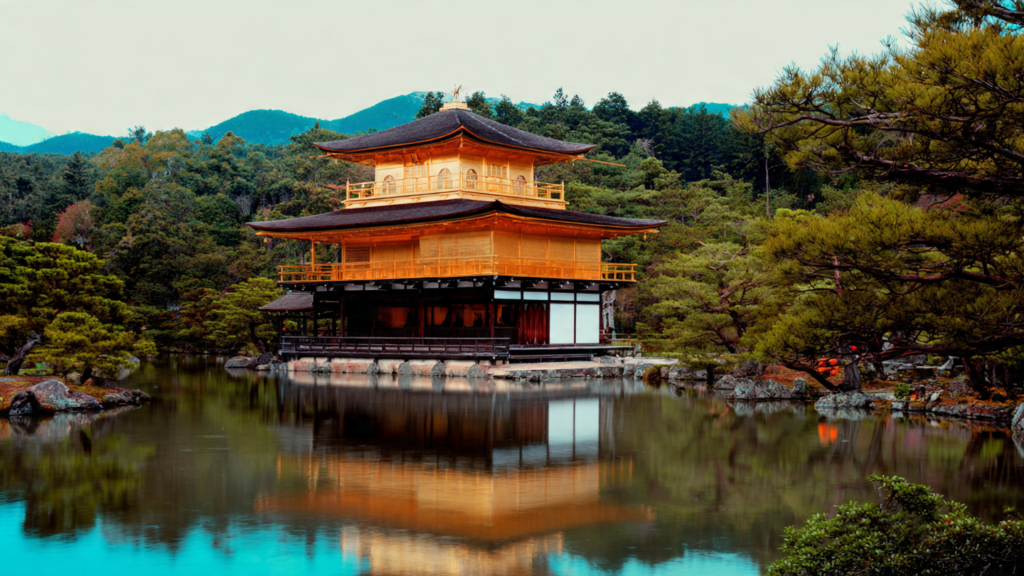
This flexible 7–14 day Japan itinerary is designed for first-time travelers who want balance. It focuses on flow instead of rushing, allowing you to experience modern cities, historic depth, and quieter moments without turning the journey into a checklist.
✨ AI Insight:
As trip planning has become more intuitive, subtle technology has helped travelers visualize realistic travel times in Japan, making longer itineraries feel manageable and well-paced rather than overwhelming.
Why Japan Works Well for 7–14 Days
Japan’s transportation system makes movement easy.
Fast trains and clear signage allow travelers to cover distance comfortably. At the same time, cities and towns have distinct personalities, so even a few days in one place can feel complete.
Seven days offers a strong introduction. Fourteen days allows deeper connection.
7-Day Japan Itinerary Overview
A one-week itinerary works best when focused on a few core destinations. This plan introduces Japan’s contrasts without constant packing and unpacking.
Days 1–3: Tokyo
Tokyo is an ideal starting point.
Spend the first days adjusting to Japan’s rhythm. Explore different neighborhoods rather than trying to see everything. Walking, observing routines, and enjoying everyday moments help the city feel approachable.
Morning walks, café stops, and evening strolls often become highlights.
What to Do in Tokyo
Explore areas with different atmospheres.
Some neighborhoods feel energetic and social, others calm and residential. Allow time to wander without a strict plan. Tokyo reveals itself through contrast and detail rather than landmarks alone.
Returning to the same street or café can deepen the experience.
Days 4–5: Kyoto
Kyoto introduces Japan’s traditional side.
Traveling from Tokyo to Kyoto feels smooth and efficient, easing the transition into a slower pace. Kyoto’s streets, gardens, and historic areas encourage quiet movement and observation.
Two days allows for gentle exploration without rushing.
What to Do in Kyoto
Focus on walking and stillness.
Historic districts, temple grounds, and small side streets offer atmosphere more than activity. Early mornings and late afternoons often feel especially calm.
Kyoto rewards patience and attention to detail.
Days 6–7: Osaka or Nara
Osaka adds warmth and everyday energy.
The city feels social and expressive, with a relaxed pace compared to Tokyo. Wandering through neighborhoods and sharing meals often feels more meaningful than structured sightseeing.
Alternatively, Nara offers a peaceful, reflective day surrounded by history and open space.
How the 7-Day Trip Feels
This itinerary feels balanced.
You experience modern life, tradition, and warmth without exhaustion. The pace allows time to adjust, observe, and settle into routines rather than constantly move on.
It’s ideal for first-time visitors with limited time.
10-Day Japan Itinerary Extension
With a few extra days, the journey gains depth.
You can slow down further or add a quieter destination that contrasts with major cities.
Days 8–9: Hakone or Mount Fuji Area
This region offers natural calm.
Mountains, water, and open space create a restorative atmosphere after city travel. Movement slows naturally here, and even simple walks feel grounding.
It adds balance to the itinerary.
Day 10: Return to Tokyo or Continue Onward
Returning to Tokyo allows reflection.
Revisiting familiar areas often feels rewarding. Alternatively, this day can be used for a quieter town or regional stop depending on interest.
Familiarity enhances appreciation.
14-Day Japan Itinerary Overview
Two weeks in Japan allows for a deeper, more personal experience.
Rather than adding many new cities, extending time in each place often feels more satisfying.
Days 11–12: Kanazawa or Takayama
These towns feel refined and calm.
Historic neighborhoods, walkable streets, and a slower rhythm create contrast with larger cities. Exploration feels intimate rather than busy.
They introduce regional character gently.
Days 13–14: Hiroshima and Miyajima or Extra Time in Kyoto
Hiroshima offers reflection and calm.
The city feels thoughtful and livable, while nearby Miyajima Island adds natural serenity. Alternatively, extra days in Kyoto allow deeper exploration of its quieter corners.
Ending the trip with calm often feels grounding.
How to Choose Between 7, 10, or 14 Days
It depends on how you like to travel.
If you enjoy moving steadily and sampling highlights, seven days works well. If you prefer repetition, calm mornings, and deeper connection, two weeks feels ideal.
Japan supports both styles.
Understanding Travel Pace in Japan
Japan values flow and consideration.
Days often feel structured yet gentle. Observing local routines—quiet mornings, orderly movement, relaxed evenings—helps travelers adjust naturally.
Matching the rhythm enhances comfort.
Where to Stay for Balance
Staying central reduces effort.
Choosing accommodations near transit hubs or walkable areas allows days to unfold smoothly. Familiar surroundings each evening help the trip feel grounded.
Consistency matters.
When to Visit for This Itinerary
Different seasons shape the atmosphere.
Some periods feel bright and social, others quieter and reflective. Many travelers choose timing based on walking comfort and preferred mood rather than events.
Flexibility supports ease.
A Thoughtful Takeaway
A 7–14 day Japan itinerary isn’t about seeing everything—it’s about allowing the country’s rhythm to unfold naturally. Tokyo introduces structure and modern life, Kyoto offers tradition and stillness, Osaka brings warmth, and quieter regions add balance and reflection.
By choosing fewer destinations and spending more time observing, walking, and revisiting familiar places, travelers often find that Japan feels less like a series of stops and more like a lived experience. Long after returning home, memories of calm mornings, smooth journeys, and small details tend to remain—gentle reminders of a country where balance, patience, and presence shape every journey.