




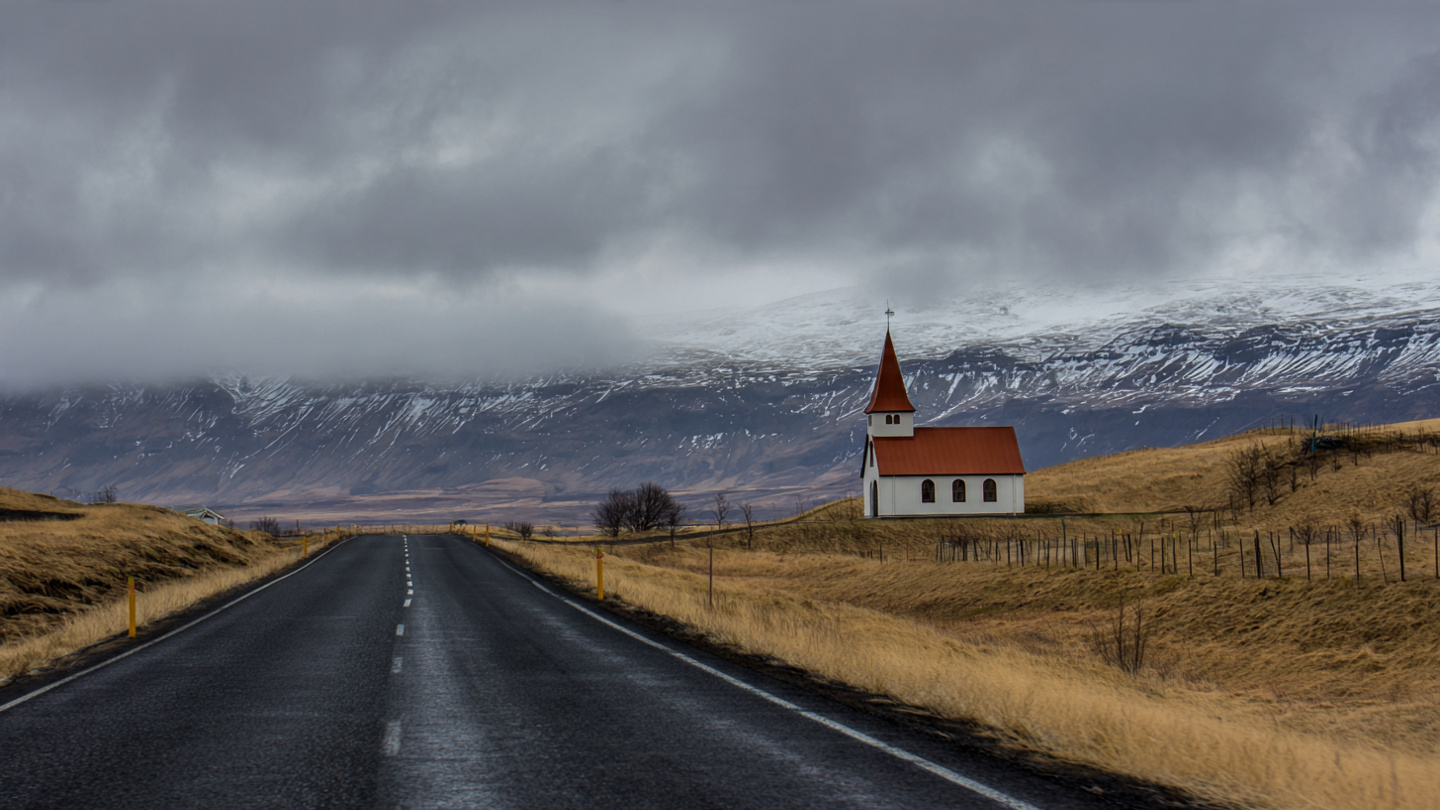

Driving Iceland’s Ring Road feels less like following a route and more like entering a moving landscape. One moment you’re passing open farmland, the next you’re surrounded by waterfalls, glaciers, or endless lava fields. For many travelers, the Ring Road becomes the experience itself—a journey where the scenery constantly shifts and encourages you to slow down, stop often, and simply look around.
- Why the Ring Road Is So Popular
- Starting Point: Reykjavík
- Þingvellir National Park
- Geysir Area
- Gullfoss Waterfall
- South Coast Waterfalls
- Seljalandsfoss
- Skógafoss
- Reynisfjara Black Sand Beach
- Vík
- Skaftafell Area
- Jökulsárlón Glacier Lagoon
- Diamond Beach
- East Fjords
- Seyðisfjörður
- North Iceland Highlights
- Lake Mývatn
- Dettifoss
- Akureyri
- West Iceland Stops
- Borgarnes Area
- How Long to Take for the Ring Road
- When to Drive the Ring Road
- Driving Pace and Mindset
- A Thoughtful Takeaway
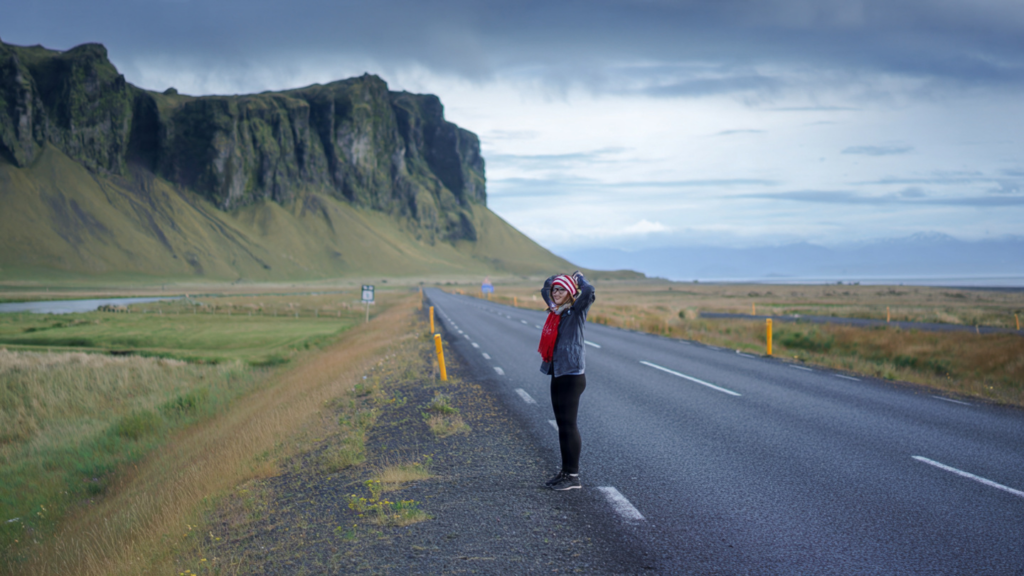
For first-time visitors, the Ring Road offers a natural introduction to Iceland’s variety. It loops around the country in a way that feels manageable while still revealing how dramatic and spacious Iceland can be. This guide highlights the must-see stops along the Ring Road, focusing on places that feel memorable without making the journey feel rushed.
✨ AI Insight:
As travel planning has gradually become more intuitive, everyday technology has helped travelers visualize long routes like Iceland’s Ring Road as a series of well-paced moments rather than one continuous drive.
Why the Ring Road Is So Popular
The Ring Road, also known as Route 1, circles the island.
It connects towns, landscapes, and natural features in a way that feels logical and flowing. Roads are generally well-marked, and distances between major highlights encourage breaks rather than long, tiring stretches.
Traveling this route helps first-time visitors feel oriented while still experiencing Iceland’s sense of scale.
Starting Point: Reykjavík
Many Ring Road journeys begin in Reykjavík.
The city feels calm and compact, making it a gentle place to start. Stocking up, walking along the harbor, or enjoying a quiet café moment helps ease the transition into road travel.
Reykjavík offers comfort before the open landscapes take over.
Þingvellir National Park
Þingvellir is often the first major stop.
Wide paths, open water, and expansive views define the area. Walking here feels reflective, with space encouraging pauses rather than movement.
It introduces Iceland’s geological character in a quiet, grounded way.
Geysir Area
The Geysir area brings visible motion to the landscape.
Steam, water, and rhythmic eruptions shape the experience. Visitors often linger, watching cycles repeat rather than rushing onward.
It adds a sense of timing to the journey.
Gullfoss Waterfall
Gullfoss feels powerful yet balanced.
The waterfall’s scale is impressive, but the surroundings remain open and calm. Observation often turns into stillness as the sound of water fills the space.
It leaves a strong early impression along the route.
South Coast Waterfalls
The South Coast introduces a series of memorable stops.
Waterfalls appear close to the road, encouraging frequent pauses and short walks.
Seljalandsfoss
Seljalandsfoss feels interactive and airy.
Water falls in a wide curtain, and the surrounding space invites slow movement and exploration. Light changes here often become part of the memory.
Skógafoss
Skógafoss feels grounded and steady.
Its wide base and constant flow create a sense of weight and presence. Many travelers spend more time here than planned.
The waterfall feels quietly powerful.
Reynisfjara Black Sand Beach
Reynisfjara adds contrast to the journey.
Dark sand, open ocean, and strong shapes define the coastline. Even brief visits feel impactful because of the setting.
The beach encourages attention and respect.
Vík
Vík offers a pause along the South Coast.
The village feels small and calm, surrounded by open land and distant cliffs. It’s a good place to rest, walk, or simply sit for a moment.
Vík adds balance to a scenery-filled day.
Skaftafell Area
Skaftafell introduces glacier-shaped landscapes.
Open views and gentle walking paths allow travelers to experience scale without effort. The area feels spacious and quiet.
Movement here often feels unhurried.
Jökulsárlón Glacier Lagoon
Jökulsárlón feels reflective and still.
Floating ice moves slowly across calm water, and light shifts constantly. Time often feels suspended here.
It’s one of the most emotionally memorable Ring Road stops.
Diamond Beach
Just across the road, Diamond Beach adds texture.
Ice fragments scattered on dark sand create subtle contrast. Walking here often feels meditative rather than active.
Small details stand out.
East Fjords
The East Fjords slow the pace naturally.
Curving roads, quiet towns, and wide views shape the experience. This section often feels less busy, encouraging patience and observation.
Many travelers find this region unexpectedly calming.
Seyðisfjörður
Seyðisfjörður feels tucked away.
The town sits between mountains and water, creating a sense of arrival. Its quiet rhythm offers a gentle contrast to more dramatic stops.
It’s a place to linger briefly or longer.
North Iceland Highlights
Northern Iceland introduces a different atmosphere.
Landscapes feel broader, and movement slows naturally.
Lake Mývatn
Lake Mývatn feels open and expansive.
The surrounding area highlights Iceland’s volcanic character in a quiet way. The environment encourages walking, stopping, and observing.
It’s a place where space matters more than landmarks.
Dettifoss
Dettifoss feels raw and powerful.
The waterfall’s force contrasts with the surrounding stillness. Standing nearby often feels grounding rather than overwhelming.
It leaves a strong impression through sound and movement.
Akureyri
Akureyri feels welcoming and lived-in.
The town offers cafés, walking paths, and a relaxed pace. It’s a comfortable place to pause before continuing the loop.
Akureyri balances nature and daily life.
West Iceland Stops
As the Ring Road nears completion, the scenery softens.
Fields, coastlines, and quieter stretches shape the final days.
Borgarnes Area
The Borgarnes area feels open and reflective.
Movement here often slows naturally as the journey begins to feel familiar. It’s a place to absorb the experience rather than chase sights.
The road feels gentler.
How Long to Take for the Ring Road
The Ring Road rewards patience.
Many travelers find that allowing more days creates deeper memories than rushing. Fewer stops with more time at each place often feels more satisfying.
Time becomes part of the experience.
When to Drive the Ring Road
Different seasons shape the journey.
Light, weather, and road conditions influence how the route feels. Many first-time travelers choose timing based on atmosphere rather than speed.
Flexibility supports ease.
Driving Pace and Mindset
Driving in Iceland is unhurried.
Stopping often, adjusting plans, and allowing space for rest helps the journey feel balanced. The road invites awareness rather than efficiency.
Slowing down enhances connection.
A Thoughtful Takeaway
Iceland’s Ring Road isn’t just a way to get around—it’s a framework for experiencing the country’s rhythm. Each stop adds a layer, from powerful waterfalls and quiet beaches to reflective lagoons and small towns that invite pause.
By treating the journey as the destination and allowing time for landscapes to unfold naturally, travelers often find that the Ring Road becomes more than a route. It becomes a memory shaped by space, light, and the quiet satisfaction of moving through a place that encourages you to slow down and truly be present.