





Iceland often feels like a place best experienced slowly. Wide roads, open landscapes, and ever-changing light encourage travelers to pause rather than rush. For a first visit, seven days offers a comfortable balance—enough time to see variety without turning the trip into a checklist.
- Why Seven Days Works Well in Iceland
- Day 1: Arrival in Reykjavík
- Day 2: The Golden Circle
- Day 3: South Coast Waterfalls and Black Sand Beaches
- Day 4: Glaciers and Jökulsárlón
- Day 5: Eastward Drive and Quiet Landscapes
- Day 6: North Iceland and Lake Mývatn
- Day 7: Return Toward Reykjavík
- How to Pace Each Day
- Driving Distances and Comfort
- Where to Stay During the Trip
- When to Take Breaks
- What Makes This Itinerary Feel Balanced
- Adjusting the Itinerary
- A Thoughtful Takeaway
This seven-day Iceland itinerary is designed to feel calm, realistic, and flowing. Each day builds naturally on the last, allowing space for adjustment, weather changes, and quiet moments that often become the most memorable parts of the journey.
Why Seven Days Works Well in Iceland
A week allows Iceland to unfold at its own pace.
Distances may look short on a map, but scenery invites frequent stops. Seven days gives room for flexibility while still covering iconic landscapes, making it ideal for first-time travelers who want depth without exhaustion.
✨ AI Insight:
As trip planning has become more intuitive, technology has helped travelers visualize realistic daily distances in Iceland, encouraging itineraries that prioritize flow and comfort over speed.
Day 1: Arrival in Reykjavík
Your first day is about easing into Iceland.
Reykjavík feels calm, walkable, and welcoming. Colorful streets, coastal paths, and quiet cafés help you adjust after travel. Walking along the harbor or through residential neighborhoods offers a gentle introduction to Icelandic life.
Keeping the first day light allows energy to settle naturally.
Day 2: The Golden Circle
The Golden Circle introduces Iceland’s landscape gradually.
Þingvellir National Park feels open and reflective, with wide paths and still water. The Geysir area adds visible movement through steam and rhythm, while Gullfoss brings scale and sound to the day.
This route sets the tone without feeling overwhelming.
Day 3: South Coast Waterfalls and Black Sand Beaches
The South Coast feels like a continuous reveal.
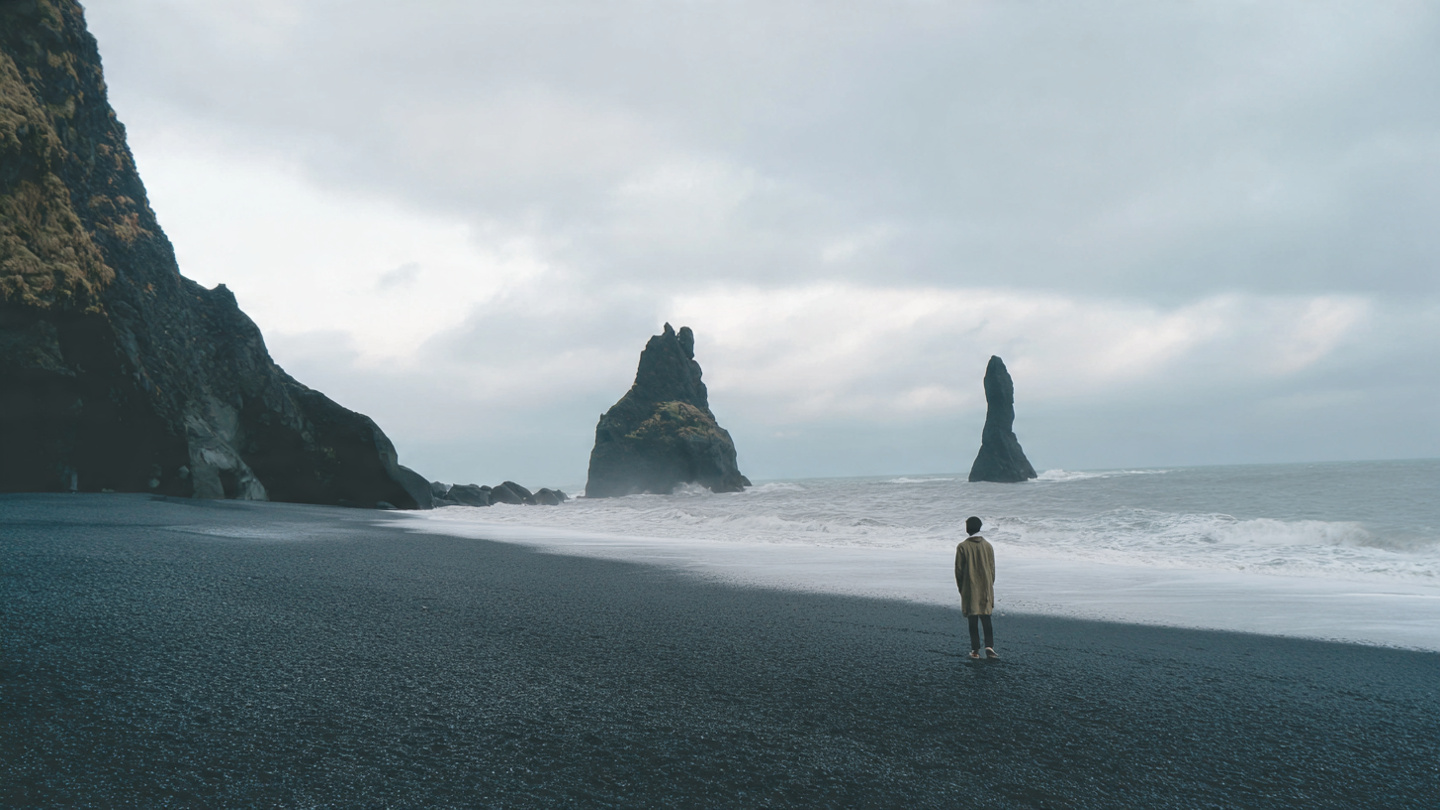
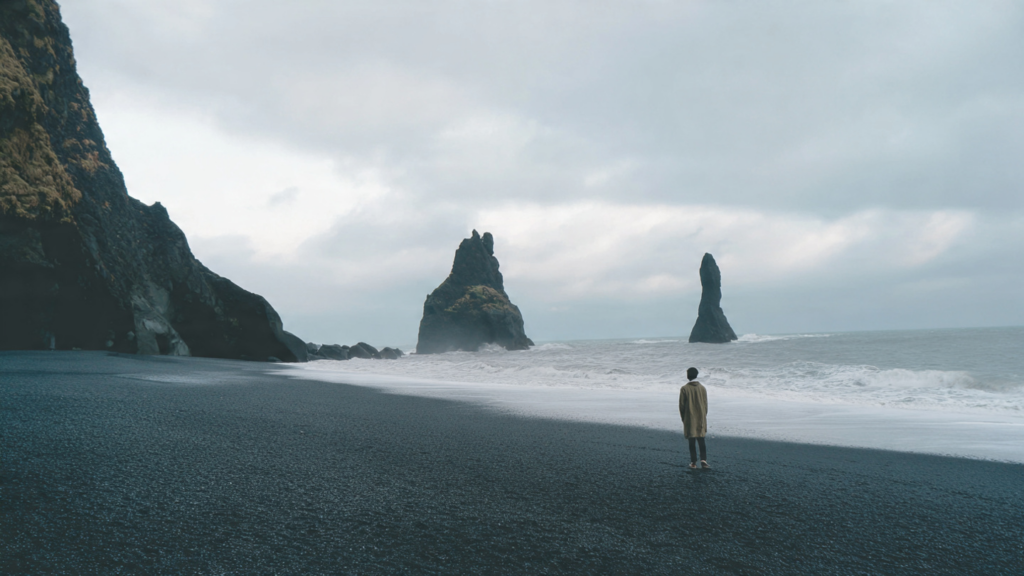
Seljalandsfoss and Skógafoss each offer a different sense of motion and space. Reynisfjara’s black sand and open ocean add contrast, grounding the experience through texture and sound.
Ending the day near Vík keeps the pace relaxed.
Day 4: Glaciers and Jökulsárlón
This day feels quieter and more reflective.
The landscape opens up, and movement naturally slows. Jökulsárlón Glacier Lagoon offers stillness, with floating ice shifting gently across water. Nearby Diamond Beach adds subtle visual contrast.
Many travelers find this day especially memorable.
Day 5: Eastward Drive and Quiet Landscapes
Driving east introduces calm.
Roads curve gently through open land and small coastal towns. The East Fjords encourage patience and observation, offering wide views and minimal crowds.
This day is less about sights and more about atmosphere.
Day 6: North Iceland and Lake Mývatn
North Iceland feels spacious and different in tone.
Lake Mývatn’s volcanic landscape invites curiosity without urgency. Dettifoss adds power through sound and scale, while surrounding areas feel quiet and open.
Akureyri offers a comfortable place to pause in the evening.
Day 7: Return Toward Reykjavík
The final day feels reflective.
As landscapes soften, the journey begins to feel familiar. Returning toward Reykjavík allows time to absorb the experience rather than rush toward departure.
Even simple roadside stops can feel meaningful on this day.
How to Pace Each Day
Iceland rewards flexibility.
Weather, light, and mood may shift plans naturally. Allowing extra time at places that feel right—and skipping others without regret—keeps the trip enjoyable.
Presence matters more than coverage.
Driving Distances and Comfort
Driving is part of the experience.
Shorter distances often take longer due to stops, scenery, and changing conditions. Planning fewer goals per day helps prevent fatigue and keeps travel relaxed.
The road becomes part of the memory.
Where to Stay During the Trip
Staying one night per region works well.
Simple accommodations near the route reduce backtracking and allow mornings to start calmly. Familiar routines each evening help the journey feel grounded.
Consistency supports comfort.
When to Take Breaks
Breaks aren’t wasted time.
Stopping to walk, sit, or simply look around helps landscapes settle in memory. Even brief pauses often become highlights.
Stillness adds depth.
What Makes This Itinerary Feel Balanced
This plan alternates movement and rest.
More active days are followed by quieter ones, creating rhythm. Cities, waterfalls, coastlines, and open land each play a role without dominating the trip.
Balance shapes enjoyment.
Adjusting the Itinerary
No two Iceland trips feel the same.
Weather or personal preference may shift the plan, and that’s part of the experience. Iceland responds well to adaptation.
Flexibility keeps travel enjoyable.
A Thoughtful Takeaway
A seven-day Iceland itinerary doesn’t need to cover everything to feel complete. By focusing on flow rather than speed, this journey offers a mix of iconic landscapes and quiet moments that allow Iceland’s character to emerge naturally.
When traveled with patience and openness, Iceland becomes less about destinations and more about awareness—of light, space, and the feeling of moving through a place that sets its own pace. After seven days, many travelers leave not feeling finished, but feeling connected, carrying a calm sense of perspective that lingers long after the road ends.