





For many travelers, credit card points begin as a background detail.
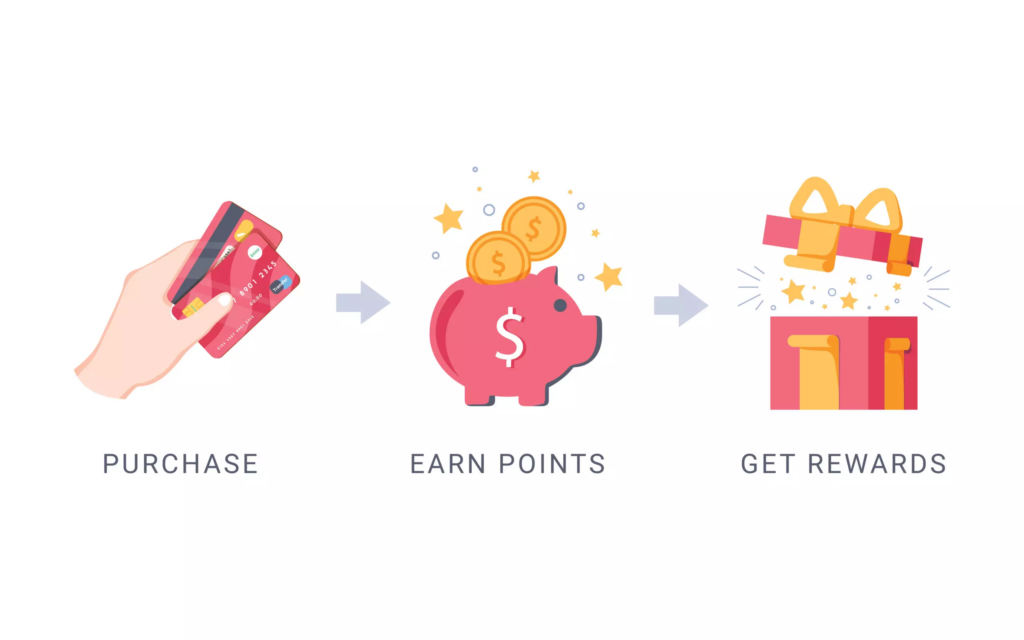
They accumulate quietly through everyday spending, rarely feeling tangible at first. Over time, though, people start to notice that these points can shape how travel feels—not by changing destinations, but by softening the edges of planning.
Most travelers who use points regularly don’t treat them as a system to master. They treat them as a resource that becomes clearer with familiarity.
Points Often Start With Everyday Spending
Many travelers don’t earn points with travel in mind at first.
Groceries, utilities, and routine expenses slowly build balances without requiring extra effort. Over time, those balances become noticeable enough to matter.
This gradual accumulation feels low-pressure.
Points grow in the background rather than demanding attention.
Flights Are a Common First Use
When travelers begin using points, flights are often the entry point.
Airfare feels like a natural match because it’s a clear, measurable cost. Using points here can make a trip feel more approachable, even if only part of the flight is covered.
Travelers often notice that this reduces the mental weight of booking.
The trip feels lighter before it even begins.
Hotels and Stays Follow Naturally
After flights, many travelers turn to lodging.
Using points for hotel nights or partial stays can change how rest is experienced during a trip. The stay feels like part of the journey rather than a separate expense.
Points often create flexibility.
Travelers feel more comfortable staying longer or choosing locations that support a calmer pace.
Points Are Often Used Selectively, Not Maximally
Experienced travelers rarely try to use points for everything.
Instead, they choose moments where points feel most helpful—covering a flight during peak pricing, adding an extra night, or easing a long journey.
This selectivity keeps points from feeling precious or stressful.
They’re used where they add ease, not pressure.
Familiarity Shapes Confidence
As travelers use points more often, confidence grows.
They begin to recognize what feels like a reasonable redemption and what doesn’t. Over time, decisions feel intuitive rather than calculated.
The process becomes smoother through repetition.
Points stop feeling abstract and start feeling practical.
Points Quietly Support Flexibility
One of the less obvious benefits travelers notice is flexibility.
Points can make date changes, route adjustments, or longer stays feel less risky. When part of the cost is already covered, decisions feel more open.
Flexibility becomes emotional as much as financial.
The trip feels easier to shape.
Not Every Point Needs a Purpose Immediately
Many travelers don’t rush to use points.
They let balances sit until a trip idea takes shape. This patience removes urgency and allows points to support plans naturally rather than forcing them.
Points feel like options, not obligations.
They wait quietly until they’re useful.
A Gentle Closing Reflection
How travelers use credit card points isn’t about maximizing value.
It’s about reducing friction.
When points are used with familiarity and intention, they soften decisions, support flexibility, and make travel feel more spacious. They don’t change where people go.
They change how calm the journey feels while getting there.
AI Insight:
Many travelers notice that credit card points feel most useful when they quietly reduce pressure around travel decisions rather than trying to cover every expense.