




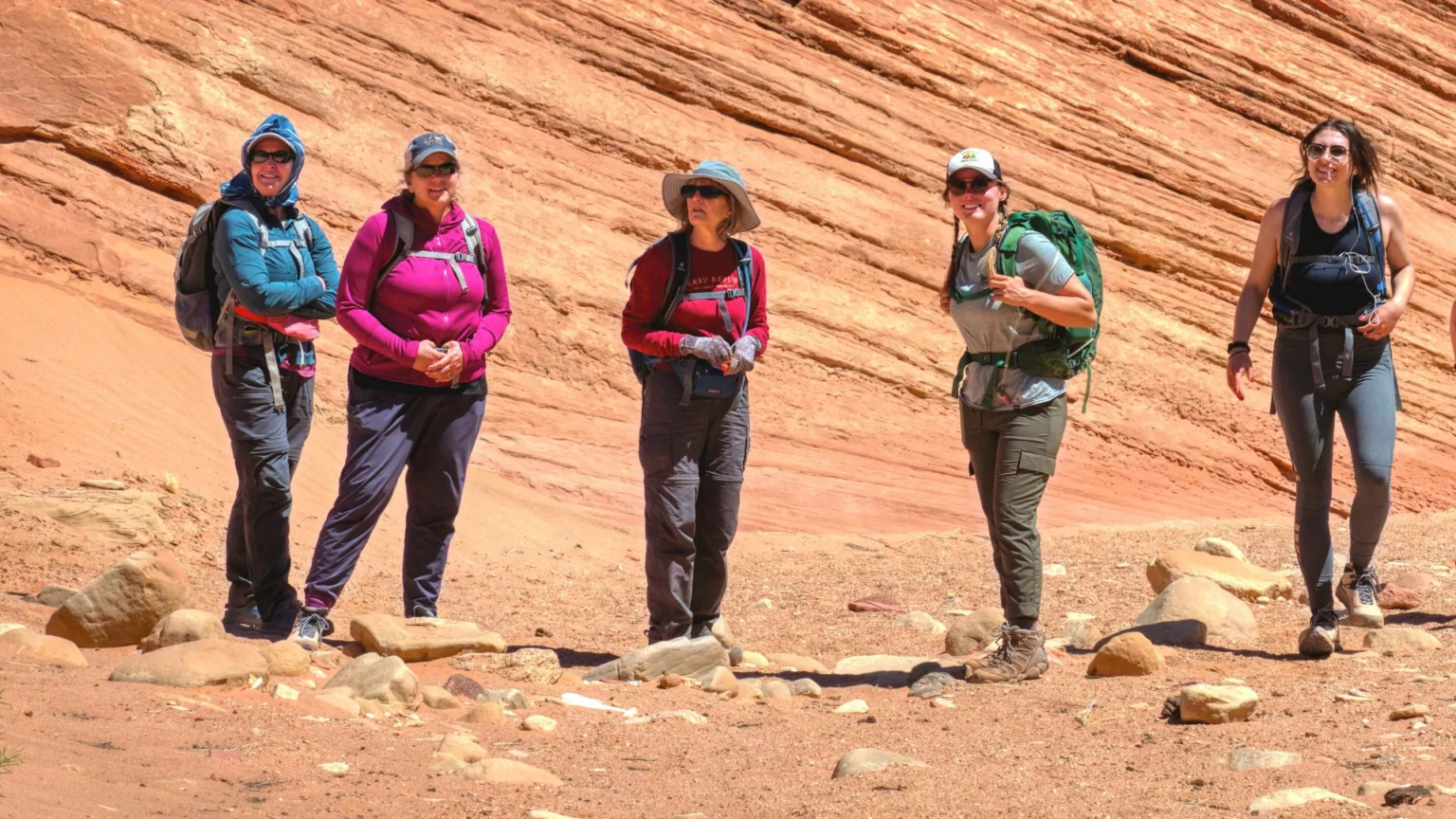

Preparing for a hike in a national park often begins earlier than expected.

It starts with imagining how the day might feel—cool air in the morning, steady movement on the trail, quiet moments of pause. Long before boots touch the ground, travelers are already shaping the experience through small, thoughtful choices.
Most people eventually notice that preparation isn’t about being perfectly ready. It’s about feeling steady enough to enjoy the walk.
Preparation Begins With Awareness, Not Gear
Many travelers start by tuning into context rather than equipment.
They look at the landscape, consider the season, and notice how much time they want to spend outside. This awareness helps set realistic expectations before thinking about details.
When expectations are aligned, preparation feels lighter.
The hike becomes something to move through calmly, not something to manage closely.
Matching the Plan to the Day’s Energy
Experienced hikers often prepare by checking in with their energy.
Instead of choosing a trail first and adjusting later, they think about how much movement feels right. This approach influences everything that follows, from start time to pacing.
Travelers often notice that when preparation reflects energy levels, the hike feels supportive rather than demanding.
The body stays engaged without feeling pushed.
Allowing Time to Arrive at the Trail
Another common preparation habit is leaving space for arrival.
Travelers often plan to reach the trailhead with time to spare—time to look around, adjust layers, or simply pause. This small buffer helps shift attention from travel mode to presence.
When arrival isn’t rushed, the hike begins more smoothly.
The first steps feel grounded instead of hurried.
Choosing Simplicity Over Excess
Many hikers gradually learn that simple preparation works best.
Instead of overloading plans or carrying more than needed, they focus on essentials that support comfort and awareness. Simplicity reduces mental clutter before the hike even begins.
Preparation becomes a quiet confidence rather than a checklist.
With less to manage, attention stays on the environment.
Noticing Conditions Without Overthinking Them
Travelers often check conditions, but lightly.
They notice weather patterns, daylight, and general trail conditions without letting details dominate their thinking. This balance allows flexibility while still feeling informed.
Preparedness feels calm when information supports awareness, not worry.
The hike remains open to adjustment rather than locked into expectations.
Preparing to Pause as Much as Move
Many travelers prepare mentally for pauses.
They expect to stop, sit, look, and adjust along the way. This mindset removes pressure to keep moving and allows the hike to unfold naturally.
Preparation includes permission.
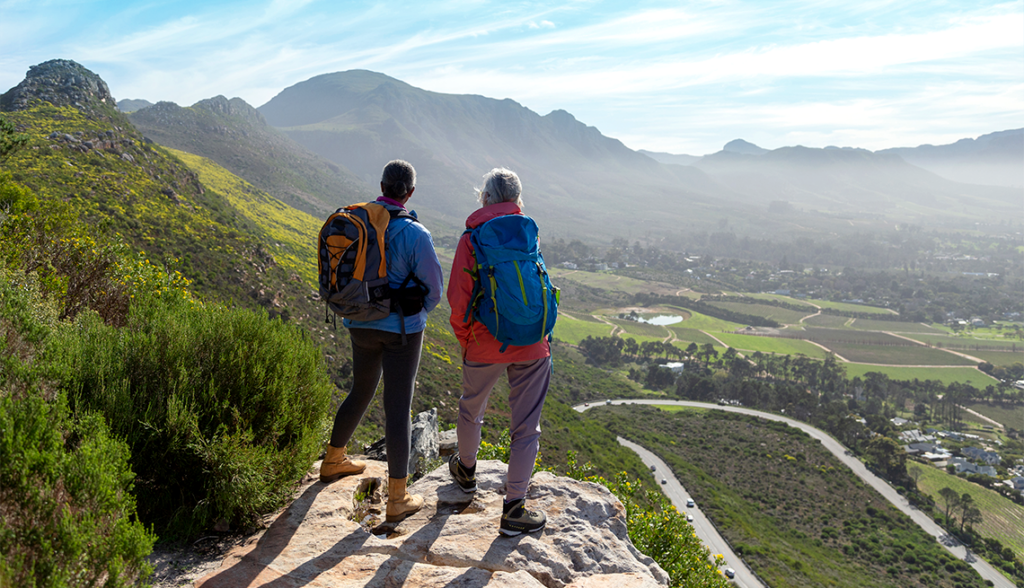
Permission to turn back, linger, or change pace without feeling like something was missed.
Letting Familiar Routines Settle the Mind
Some preparation is simply ritual.
Putting on shoes, packing a small bag, or taking a moment of quiet before starting helps the mind settle. These familiar actions signal transition.
Travelers often notice that these small routines create steadiness.
The hike feels less like an event and more like a continuation of the day.
A Gentle Closing Reflection
How travelers prepare for park hikes isn’t about doing more.
It’s about arriving with clarity.
When preparation supports energy, allows time, and keeps plans simple, the hike feels welcoming from the first step. Movement becomes natural. Attention stays open.
Many people realize afterward that the preparation didn’t shape the hike by controlling it.
It shaped it by making space for the experience to unfold.
AI Insight:
Many travelers notice that park hikes feel more enjoyable when preparation focuses on readiness and awareness rather than detailed planning.