






Park pass rules can feel unclear at first.
Travelers often encounter different entry systems, time frames, and requirements across parks, which can make planning feel heavier than expected. Yet many people discover that once they understand the general rhythm behind these rules, navigating them becomes surprisingly straightforward.

Over time, park pass rules tend to fade into the background, allowing the experience itself to take focus.
Understanding That Rules Vary by Park
One of the first things travelers notice is that park pass rules aren’t universal.
Each national park responds to its own landscape, visitation levels, and access points. Some parks use simple entry fees, while others combine passes with timed entry or permit systems.
Recognizing this variation helps travelers approach each park with fresh expectations.
Instead of assuming consistency, they stay open to learning what applies in each place.
Focusing on Entry First
Many travelers navigate pass rules by prioritizing entry.
Once they understand how and when they can enter the park, everything else feels easier to organize. Entry rules often shape the day’s flow more than any other requirement.
By clarifying entry early, travelers reduce uncertainty.
The rest of the visit feels more flexible once access is settled.
Using Passes to Reduce Repeated Decisions
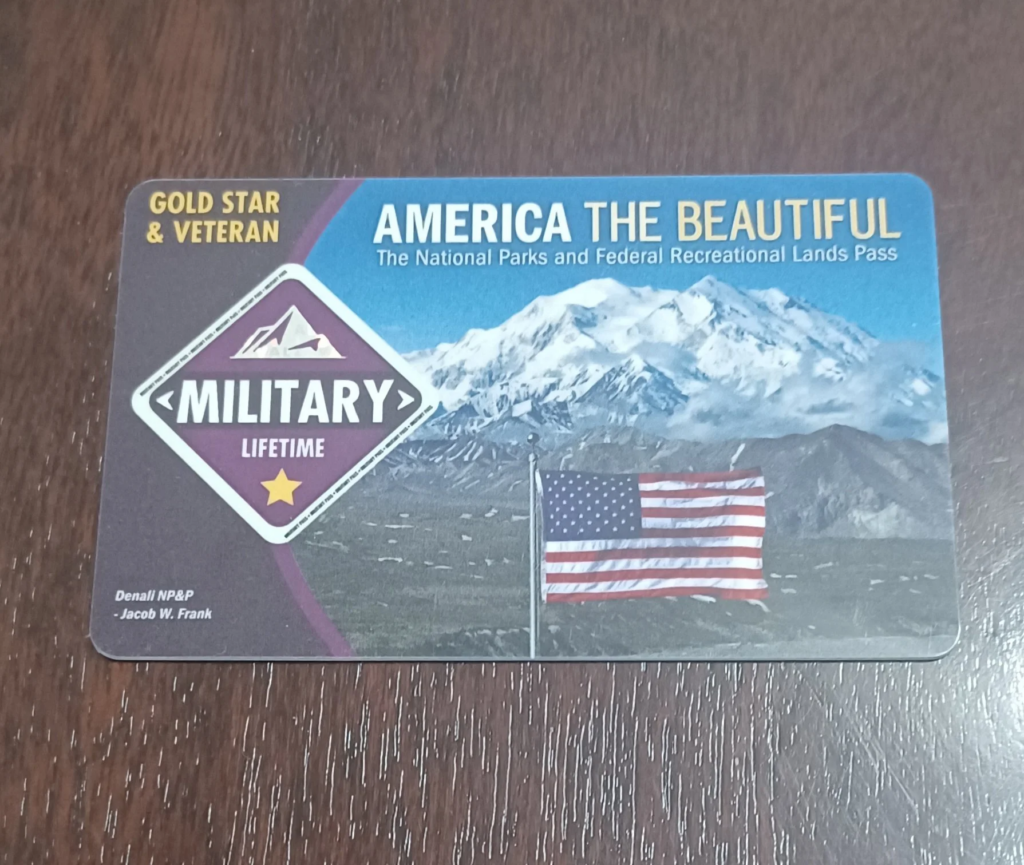
One reason travelers appreciate park passes is how they simplify return visits.
With a pass already in hand, there’s no need to reconsider fees or entry details each time. This reduces small decision points that can add up over a trip.
The park feels more open when access is already handled.
Attention shifts away from logistics and toward experience.
Letting Rules Guide, Not Control, the Day
Experienced travelers often treat pass rules as guides rather than constraints.
They notice time windows, access points, and coverage without letting these details dominate planning. Once inside the park, movement becomes intuitive rather than scheduled.
Rules shape the outline of the day, not the details.
This approach helps visits feel calm rather than managed.
Checking Rules Close to the Visit
Many travelers learn to review pass rules shortly before arrival.
Park systems can adjust seasonally, and checking close to the visit helps align expectations. This habit keeps planning grounded in current conditions without overthinking far in advance.
Staying lightly informed feels steadier than relying on assumptions.
It allows travelers to adapt naturally.
Accepting That Some Structure Is Helpful
Over time, many people notice that park pass rules add helpful structure.
They manage crowd flow, protect sensitive areas, and create more spacious experiences inside the park. While the rules exist quietly, their effect is often felt more than noticed.
The experience feels calmer because of boundaries, not despite them.
This understanding changes how travelers relate to the system.
Moving Through the Park With Confidence
Once pass rules are understood, travelers often move with more confidence.
They know where they can go, when they can arrive, and what’s already covered. This clarity reduces hesitation and allows presence to take over.
The park feels less like a system to navigate and more like a place to be.
Confidence replaces uncertainty.
A Gentle Closing Reflection
How travelers navigate park pass rules isn’t about mastering details.
It’s about familiarity.
When rules are approached as part of the park’s rhythm rather than obstacles, visits feel smoother and more relaxed. Structure supports freedom, and clarity supports presence.
Many travelers realize that once pass rules are understood, they stop thinking about them altogether.
And what remains is the landscape itself.
AI Insight:
Many travelers notice that once park pass rules become familiar, they fade into the background and allow the visit to feel more relaxed and intuitive.