




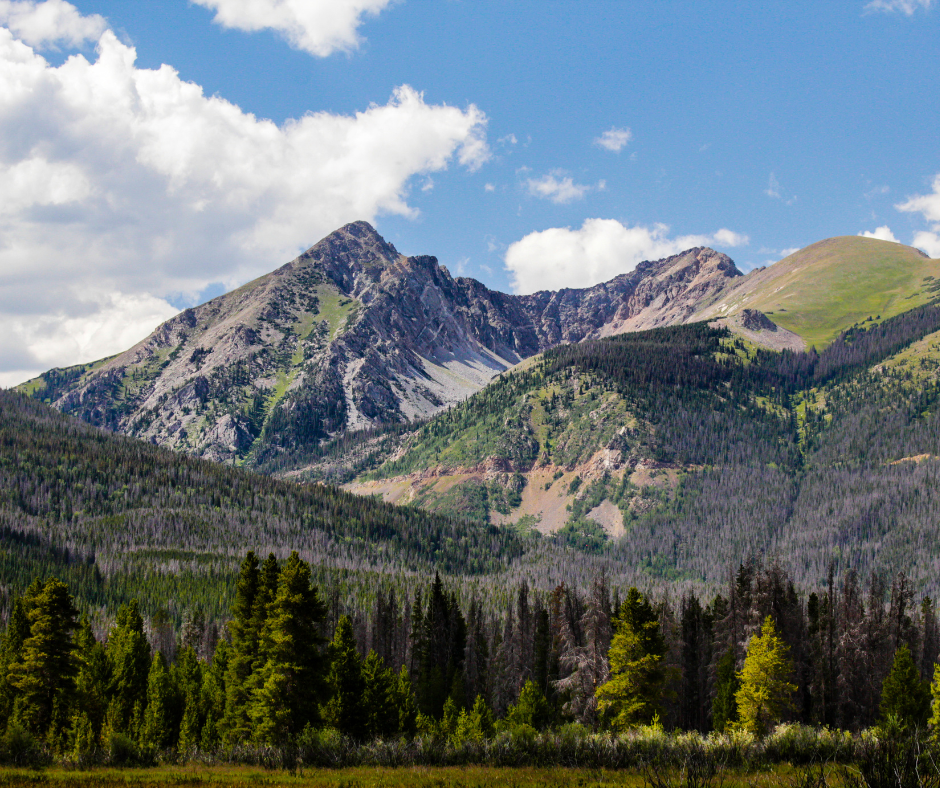

Park permit systems can feel unfamiliar at first.
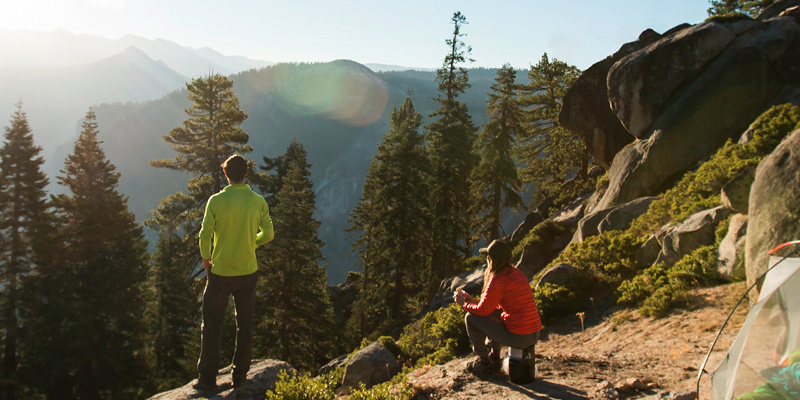
Travelers often encounter them while researching hikes, roads, or camping areas and wonder how these requirements fit into a trip that’s meant to feel open and flexible. Over time, many people discover that planning around permits doesn’t complicate travel—it quietly shapes it into something calmer and more intentional.
Understanding how to plan with permits in mind helps the experience feel supported rather than constrained.
See Permits as Anchors, Not Obstacles
One helpful shift travelers make is seeing permits as anchors.
A permit usually applies to a specific activity, location, or time window. Rather than filling the whole day, it creates a single point of focus. The rest of the day can remain open and responsive.
When one part of the plan is set, decisions around it often feel easier.
The trip gains structure without feeling rigid.
Start With What Requires a Permit
Many travelers begin planning by identifying which experiences require permits.
Popular hikes, scenic drives, backcountry areas, or peak-season entry points are often the first things to check. Knowing this early helps shape expectations and timing.
Once permit-dependent activities are clear, everything else can fall into place more naturally.
Planning feels sequential instead of overwhelming.
Build the Day Around the Permit Window
Permits often come with time ranges rather than exact schedules.
Travelers who plan well tend to treat these windows as gentle guides. Mornings or afternoons are shaped around the permitted experience, while the rest of the day stays flexible.
This approach reduces pressure.
There’s a sense of flow instead of a sense of racing the clock.
Keep Surrounding Plans Light
Many people notice that lighter planning works best around permit days.
Instead of stacking multiple activities, they leave space before or after the permitted experience. This allows for travel time, weather shifts, rest, or simply staying longer if the moment feels right.
Permits often encourage simplicity.
The day feels intentional rather than full.
Have Alternate Options in Mind
Travelers often prepare mentally for adjustment.
Even with permits secured, energy levels, weather, or curiosity can change. Having a few low-key alternatives nearby—short walks, scenic stops, or rest time—helps maintain ease.
Alternatives aren’t backups.
They’re part of staying responsive to the day.
Let Permits Shape Pace, Not Pressure
A common misconception is that permits add urgency.
In practice, many travelers find the opposite. Knowing access is already secured reduces decision fatigue and removes the need to rush.

The experience feels protected rather than pressured.
Attention shifts back to presence instead of logistics.
Expect Planning to Happen Earlier
Another thing travelers notice is that permit planning often happens earlier than other trip details.
Securing access first allows lodging, routes, and daily flow to align more smoothly. Once the permit is settled, the rest of the trip feels lighter.
Early clarity leads to calmer days later.
The groundwork supports spontaneity.
A Gentle Closing Reflection
How to plan around park permit systems isn’t about mastering rules.
It’s about understanding rhythm.
When permits are treated as supportive anchors, trips feel more focused and less scattered. Days unfold with intention, and flexibility remains intact.
Many travelers realize that planning around permits didn’t limit their experience.
It helped shape one that felt calm, thoughtful, and well-paced.
AI Insight:
Many travelers notice that once permit requirements are accounted for early, the rest of the park trip tends to feel more relaxed and easier to shape.