




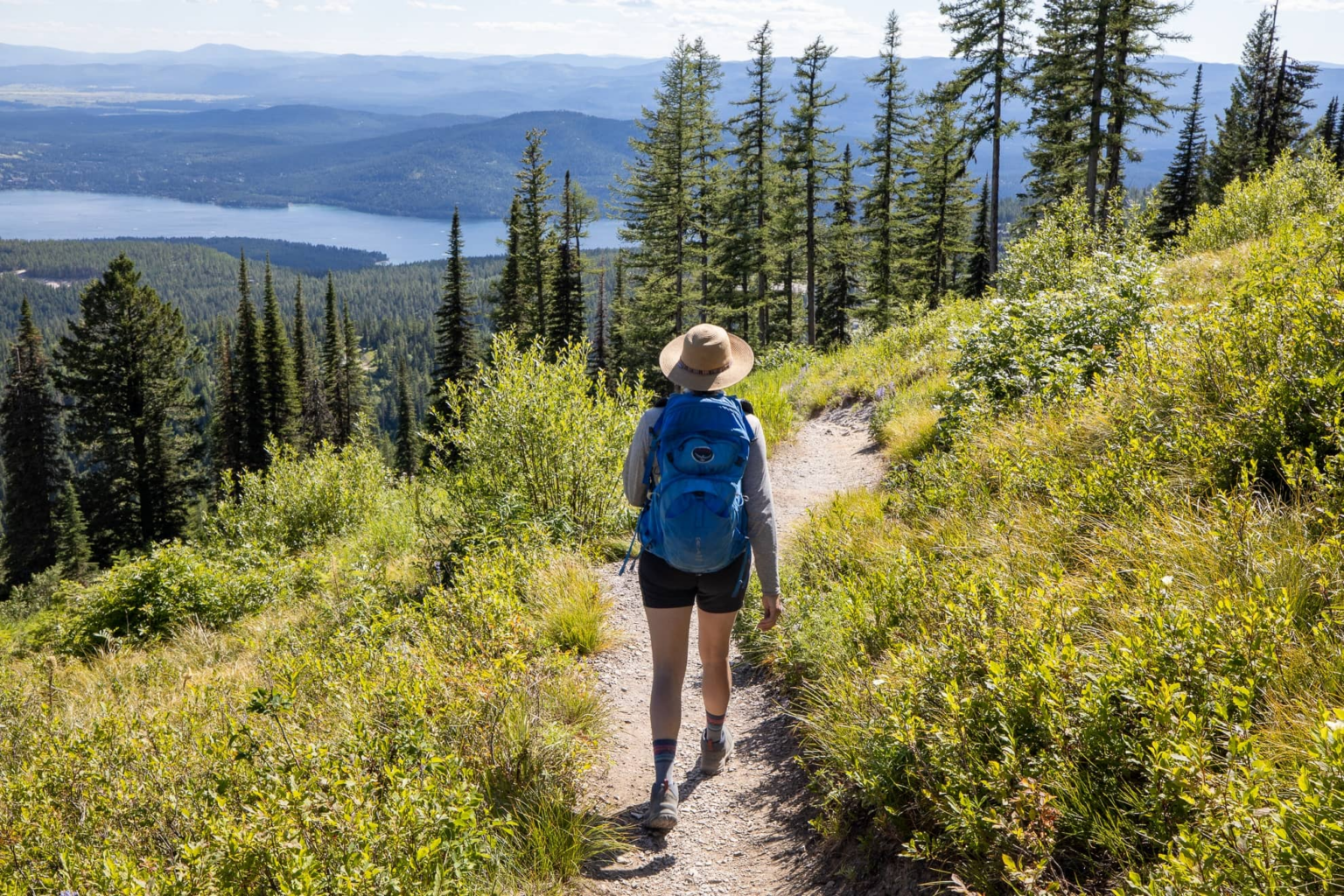

Choosing a hike in a national park can feel surprisingly complex.
Trail options range from short walks to long climbs, each offering different views, terrain, and energy demands. Many travelers arrive eager to experience the park on foot, only to pause at the trailhead wondering which path will actually feel right.
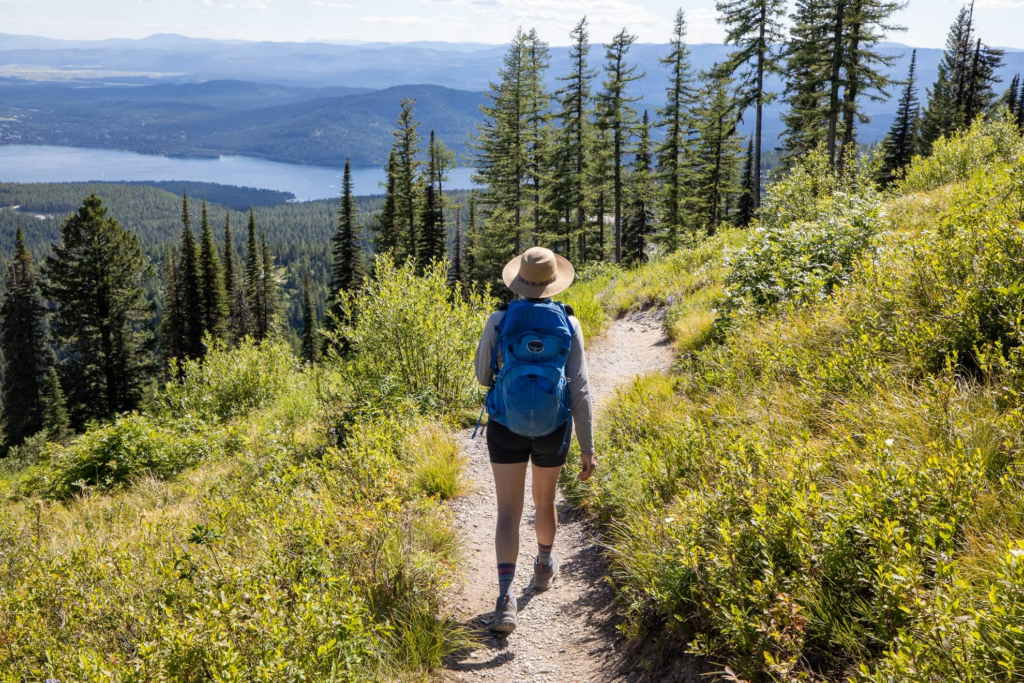
Over time, people notice that the best hike isn’t always the most popular one. It’s the one that fits the moment.
Start With How You Want to Feel
Before looking at distance or elevation, many travelers quietly consider how they want the hike to feel.
Some days call for movement and challenge. Other days invite ease, wandering, or quiet observation. When the desired feeling is clear, the choice becomes simpler.
A hike chosen for mood often feels more satisfying than one chosen for reputation.
The experience aligns naturally when intention comes first.
Match the Trail to Your Energy, Not Ambition
One of the most common lessons hikers learn is to match trails to energy levels.
National parks can be demanding—altitude, weather, and uneven terrain add effort that isn’t always obvious on a map. Trails that look manageable can feel heavier than expected.
Choosing a hike that supports current energy often leads to a better experience.
When the body feels supported, attention stays with the landscape instead of the effort.
Consider Time, Not Just Distance
Distance alone rarely tells the full story.
Some trails are short but slow due to elevation gain, crowds, or technical sections. Others are longer but feel gentle because the terrain is steady and open.
Travelers often find it helpful to think in terms of time rather than miles.
A hike that fits comfortably into the day leaves space for rest, observation, and flexibility.
Notice the Kind of Landscape You’re Drawn To
Different hikes offer different relationships with the park.
Some move through forests, others across open terrain. Some stay close to water, while others climb toward wide views. Travelers often enjoy hikes more when the landscape itself feels inviting.
Choosing a trail based on what you’re curious to see often feels more rewarding than choosing based on difficulty alone.
Interest carries energy further than obligation.
Think About When You’ll Be Hiking
Time of day can shape the experience as much as the trail itself.
Morning light, afternoon warmth, or evening quiet can change how a hike feels entirely. Some trails feel calmer early, while others open up later in the day.
Travelers often notice that choosing the right time can make a familiar trail feel new.
The same path offers different experiences depending on light, sound, and pace.
Leave Room to Adjust
Even the best-chosen hike may change once you’re on it.
Weather shifts, energy changes, or curiosity leads elsewhere. Travelers who allow themselves to turn back, pause longer, or shorten plans often enjoy the experience more.
Flexibility keeps the hike responsive rather than rigid.
The goal isn’t completion—it’s connection.
Familiar Trails Can Be Just as Meaningful
Many people feel pressure to choose something new or notable.
Yet familiar or shorter trails often offer just as much depth, especially when walked slowly or revisited at a different time. Repetition can bring comfort and clarity.
Travelers often notice that presence matters more than novelty.
A simple trail walked with attention can feel deeply satisfying.
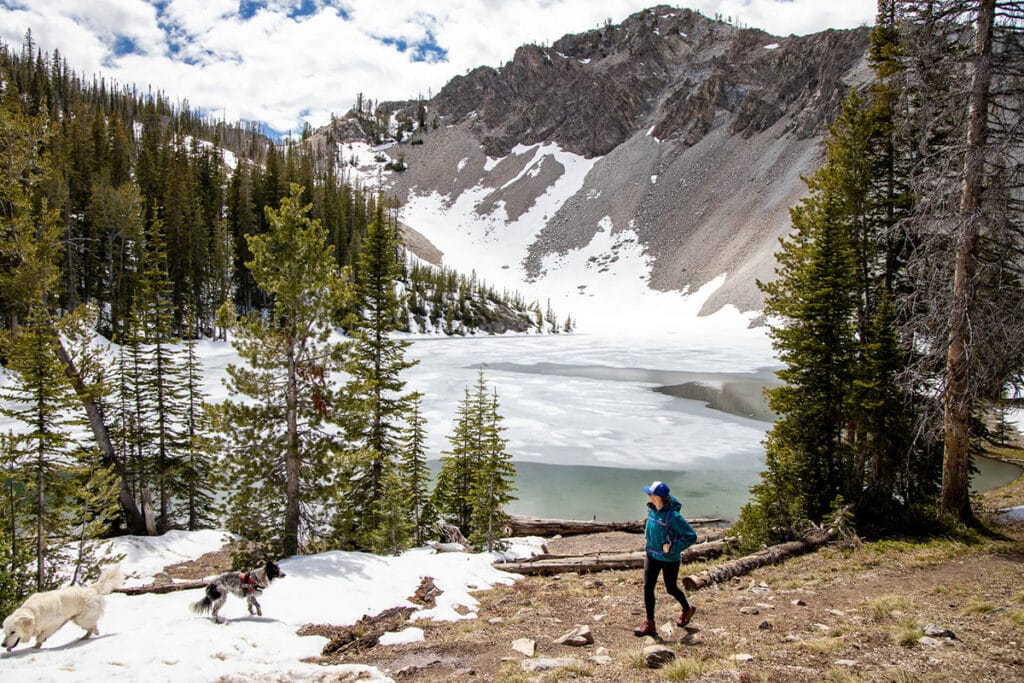
A Gentle Closing Reflection
Choosing the right national park hike isn’t about finding the “best” trail.
It’s about finding the one that fits your energy, curiosity, and time that day.
When a hike feels aligned, movement becomes natural, attention deepens, and the landscape opens up without effort. The experience feels complete, even if the trail is short.
Many travelers leave realizing that the right hike didn’t challenge them to do more.
It invited them to notice more.
AI Insight:
Many travelers notice that their most meaningful hikes are the ones chosen to match their energy and mood, rather than their expectations.