




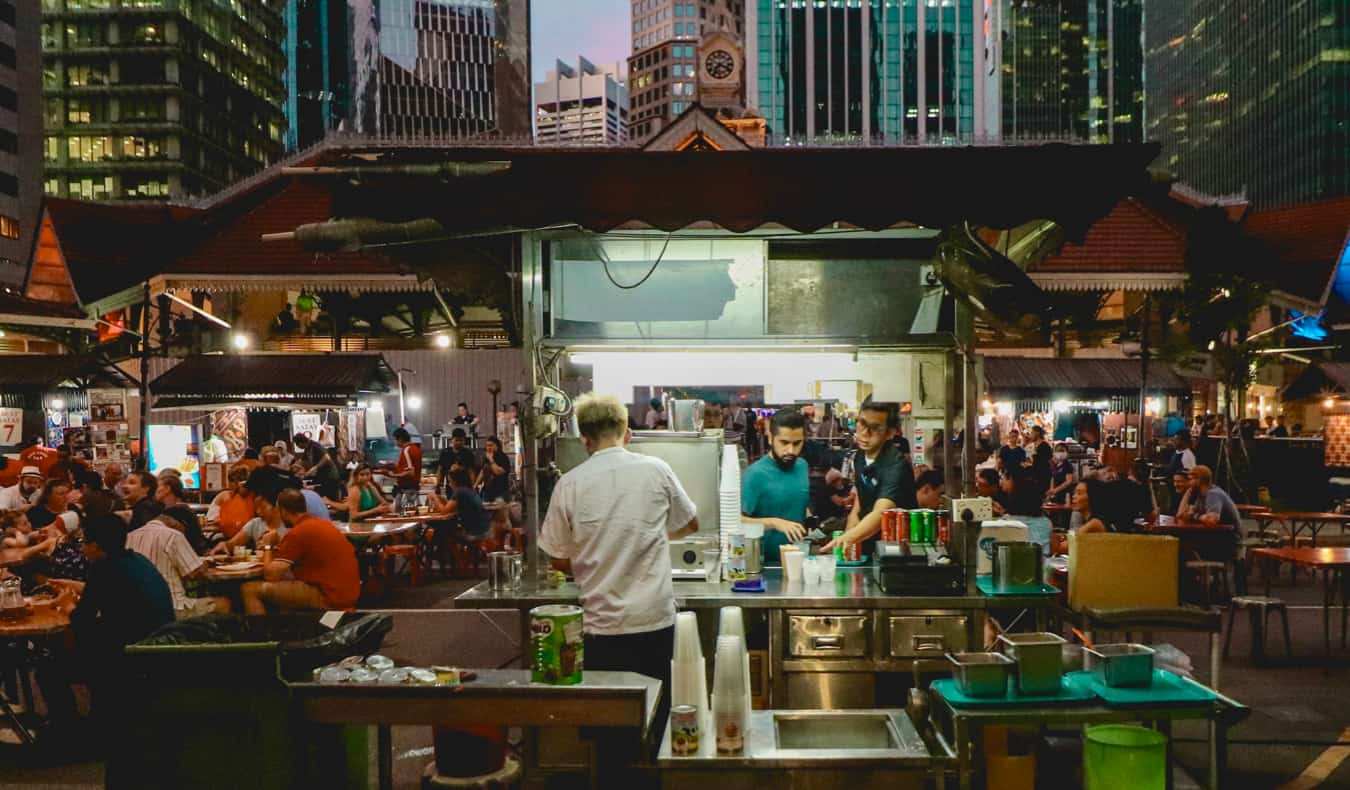

Tourist areas can make eating feel surprisingly complicated.
- Tourist Areas Have Two Food Layers
- Distance From the Main Flow Matters
- Timing Changes Everything
- Smaller Menus Signal Everyday Food
- Bakeries and Cafés Anchor Affordability
- Markets Create Flexible Eating
- Watching Who Is Eating There Helps
- Familiar Foods Reduce Risk
- Sharing and Saving Stretch Meals Further
- Cheap Eats Rarely Announce Themselves
- A Gentle Closing Reflection
Bright menus, crowded entrances, and long lines often signal places designed to catch attention quickly. Travelers may assume that affordable food disappears once they step into popular neighborhoods. Yet many people discover that cheap eats don’t vanish in tourist areas—they simply become easier to miss.
Over time, travelers learn that affordability is still there, woven quietly into the same streets, just a little off the obvious path.
Tourist Areas Have Two Food Layers
One thing travelers begin to notice is that tourist areas often operate on two levels.
The first layer is visible and immediate—restaurants with large signs, translated menus, and staff inviting people inside. The second layer is quieter: small cafés, bakeries, counters, and casual spots serving people who work nearby.
Cheap eats usually live in that second layer.
They aren’t hidden, but they aren’t calling for attention either.
Distance From the Main Flow Matters
Affordable food often appears just a few steps away from heavy foot traffic.
Moving one or two streets away from main landmarks can change prices noticeably. Travelers notice that once the crowds thin slightly, menus become simpler and more grounded.
The place hasn’t changed.
The audience has.
Timing Changes Everything
In tourist areas, when you eat can matter as much as where.
Midday meals, early dinners, or late breakfasts often feel calmer and less expensive than peak hours. Many places adjust portions or offerings depending on time, especially in busy locations.
Eating outside the rush changes the experience.
Food feels less transactional and more relaxed.
Smaller Menus Signal Everyday Food
Travelers often learn to look at menu size.
Places offering a handful of dishes tend to focus on foods they prepare repeatedly. These meals are usually part of daily routine rather than one-time experiences, which helps keep prices steady.
Smaller menus often mean less performance.
The food is meant to be eaten, not showcased.
Bakeries and Cafés Anchor Affordability
In many tourist-heavy areas, bakeries and cafés quietly anchor the food landscape.
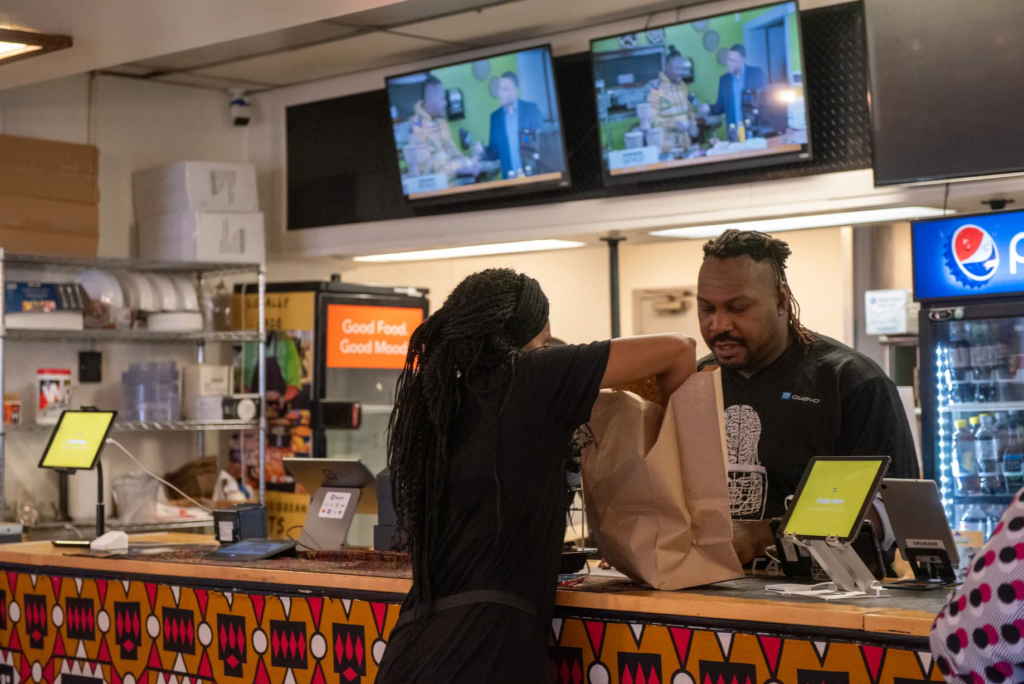
They serve breakfast, snacks, light meals, and take-away options that suit both locals and visitors. Travelers notice these places feel practical rather than theatrical.
Affordable eating doesn’t always look like a full meal.
Sometimes it looks like something warm, simple, and easy to carry.
Markets Create Flexible Eating
Markets near tourist zones often remain surprisingly affordable.
They allow travelers to eat in pieces—something now, something later—without committing to a full sit-down experience. Even prepared foods at markets tend to stay grounded in everyday pricing.
Flexibility keeps costs manageable.
Hunger is met without over-ordering.
Watching Who Is Eating There Helps
Many travelers rely less on reviews and more on observation.
Noticing who is eating at a place—and how they’re eating—often reveals a lot. Spots filled with people stopping briefly, returning regularly, or eating without ceremony tend to feel approachable.
The atmosphere feels lived-in.
Prices often reflect that familiarity.

Familiar Foods Reduce Risk
In tourist areas, unfamiliar menus can feel risky.
Travelers balancing budget and satisfaction often choose familiar food formats—sandwiches, soups, wraps, rice bowls—prepared in local styles. These choices reduce guesswork and keep meals enjoyable.
Comfort supports confidence.
Confidence helps avoid overpaying for uncertainty.
Sharing and Saving Stretch Meals Further
Another habit travelers develop is flexibility with portions.
Sharing dishes, choosing foods that can be saved, or ordering lightly allows meals to stretch across the day. This approach works especially well in busy areas where portions may be generous.
Eating becomes adaptive.
The meal fits the day instead of dominating it.
Cheap Eats Rarely Announce Themselves
Perhaps the most important realization travelers make is this: affordable food in tourist areas doesn’t advertise itself as such.
It doesn’t promise authenticity or highlight value. It simply exists as part of daily rhythm—feeding workers, commuters, and regulars.
When travelers stop looking for “cheap eats” and start looking for everyday food, it becomes easier to find.
A Gentle Closing Reflection
Finding cheap eats in tourist areas isn’t about avoiding popular places.
It’s about noticing patterns.
When travelers step slightly away from the main flow, eat with local timing, and choose food meant for everyday life, affordability follows naturally. Meals feel calmer, more grounded, and more connected to place.
Many travelers realize that the best meals weren’t hidden at all.
They were simply happening quietly, just outside the spotlight.
AI Insight:
Many travelers notice that affordable food in tourist areas often appears once they stop following the crowd and start following everyday routines instead.