




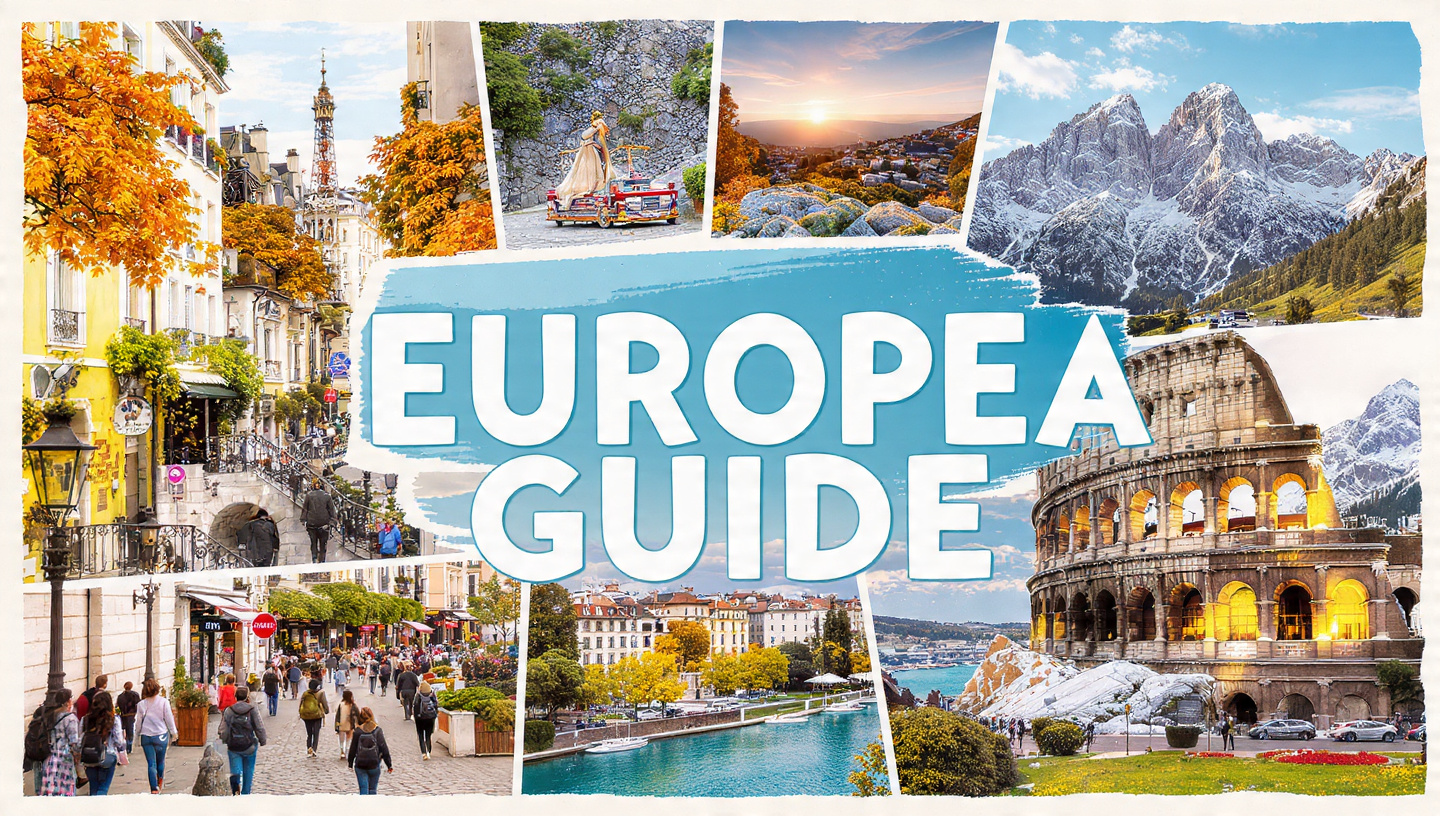

Europe feels like a place where layers overlap gently. Cities grow around ancient foundations, countryside unfolds just beyond urban edges, and history lives quietly in streets, squares, and daily routines. Traveling here often feels less like moving between attractions and more like stepping into different rhythms of life.
- Why Europe Feels So Layered
- Europe’s Cities: Walkable and Expressive
- Paris
- Rome
- Barcelona
- Amsterdam
- Europe’s Nature: Close and Restorative
- The Alps
- Mediterranean Coastlines
- Northern Europe’s Lakes and Forests
- Europe’s History: Present, Not Preserved
- Ancient and Medieval Cities
- Castles, Ruins, and Old Towns
- How to Balance Cities, Nature, and History
- Understanding Travel Rhythm in Europe
- How Long to Spend in Each Place
- When to Visit Europe
- Choosing Your Route
- A Thoughtful Takeaway
What makes Europe especially rewarding is how naturally cities, nature, and history connect. You can spend a morning walking through a historic center, an afternoon in a park or along a river, and an evening sharing a meal in a neighborhood that feels lived-in rather than staged. This guide explores Europe through those three elements, helping travelers experience the continent in a balanced, thoughtful way.
✨ AI Insight:
As travel discovery has evolved, subtle technology has helped travelers see Europe not as separate highlights, but as interconnected experiences where cities, landscapes, and history flow naturally together.
Why Europe Feels So Layered
Europe’s scale encourages variety without long distances.
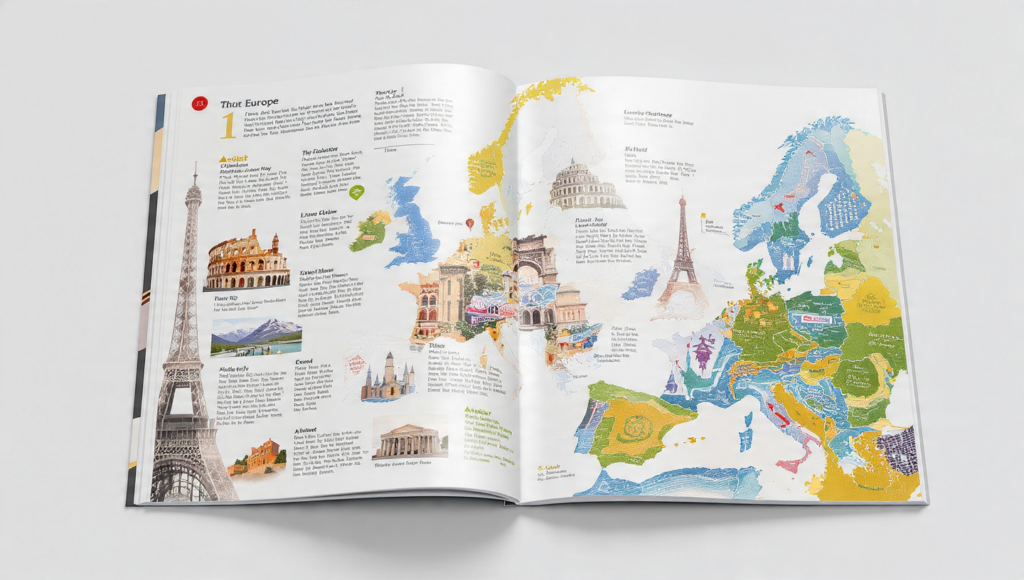
Countries sit close together, and regions change quickly, yet transitions feel smooth. History hasn’t been pushed aside by modern life—it exists within it, shaping how places look and feel today.
This layering makes exploration intuitive.
Europe’s Cities: Walkable and Expressive
European cities are designed for people, not speed.
Most city centers are compact and walkable, encouraging wandering rather than rushing. Streets lead naturally to squares, cafés, and public spaces where daily life unfolds.
Cities here feel social and approachable.
Paris
Paris feels elegant yet lived-in.
Wide boulevards, quiet side streets, and everyday routines shape the experience. Walking without a fixed plan often reveals the city’s character best.
The city invites lingering rather than urgency.
Rome
Rome feels expressive and layered.
Ancient structures appear beside modern life, creating continuity rather than contrast. Exploration often feels like discovery rather than sightseeing.
History feels present and human.
Barcelona
Barcelona feels relaxed and social.
Open plazas, coastal air, and a steady rhythm shape daily life. The city balances creativity, culture, and leisure naturally.
Movement here feels easy and enjoyable.
Amsterdam
Amsterdam feels calm and intentional.
Canals, compact neighborhoods, and everyday routines create a steady flow. The city encourages slow exploration and observation.
It’s defined by balance and clarity.
Europe’s Nature: Close and Restorative
Nature in Europe is rarely far away.
Mountains, coastlines, forests, and countryside often sit just beyond city edges. This closeness allows travelers to balance urban exploration with natural calm.
Nature here feels accessible rather than remote.
The Alps
The Alps feel expansive and grounding.
Mountains, valleys, and open air create a sense of scale that contrasts beautifully with nearby cities. Time here often feels slower and more reflective.
The landscape invites stillness.
Mediterranean Coastlines
Mediterranean landscapes feel warm and open.
Light, water, and outdoor life shape a gentle rhythm. Coastal towns often encourage walking, sitting, and watching the day unfold.
Nature and daily life blend easily.
Northern Europe’s Lakes and Forests
Northern regions feel quiet and spacious.
Lakes, forests, and open skies create calm environments where sound and movement soften. Exploration here often feels meditative.
Nature becomes a place to pause.
Europe’s History: Present, Not Preserved
History in Europe isn’t confined to museums.
It appears in architecture, street layouts, and everyday traditions. Walking through towns often feels like moving through time without leaving the present.
This closeness makes history approachable.
Ancient and Medieval Cities
Many cities grew gradually over centuries.
Walls, cathedrals, and old neighborhoods remain part of daily routines. History feels functional rather than frozen.
It adds depth without heaviness.
Castles, Ruins, and Old Towns
Castles and ruins often sit within landscapes or towns.
Rather than standing alone, they’re woven into surroundings. Visiting them often feels reflective rather than dramatic.
Context enhances meaning.
How to Balance Cities, Nature, and History
Europe works best at a gentle pace.
Combining one city-focused day with one slower, nature-oriented or historical day often feels ideal. Short distances make this balance easy to maintain.
Less rushing creates stronger memories.
Understanding Travel Rhythm in Europe
Life unfolds gradually.
Mornings are often calm, afternoons lively, and evenings social. Allowing time for cafés, parks, and walking helps places feel familiar.
Matching the rhythm enhances connection.
How Long to Spend in Each Place
Staying longer often feels more rewarding.
Even three or four days in one location can create a sense of routine. Familiar streets and repeated moments often become highlights.
Depth matters more than quantity.
When to Visit Europe
Different seasons shape the mood.
Some periods feel social and energetic, others quieter and reflective. Many travelers choose timing based on walking comfort and atmosphere rather than peak crowds.
Flexibility supports ease.
Choosing Your Route
There’s no single ideal path.
Some travelers prefer moving between nearby countries, others enjoy staying within one region. Choosing places that share a similar pace often creates a smoother journey.
Contrast works best when it’s gentle.
A Thoughtful Takeaway
Europe offers a rare balance of cities, nature, and history existing side by side. Walkable urban centers, accessible landscapes, and living history create a travel experience that feels rich without being overwhelming.
When explored with patience and curiosity, Europe becomes less about covering ground and more about settling into moments—quiet walks, shared meals, open views, and everyday routines. Long after the trip ends, these moments tend to linger, reminding travelers that Europe’s true beauty lies not just in what you see, but in how naturally it invites you to slow down and feel present.