




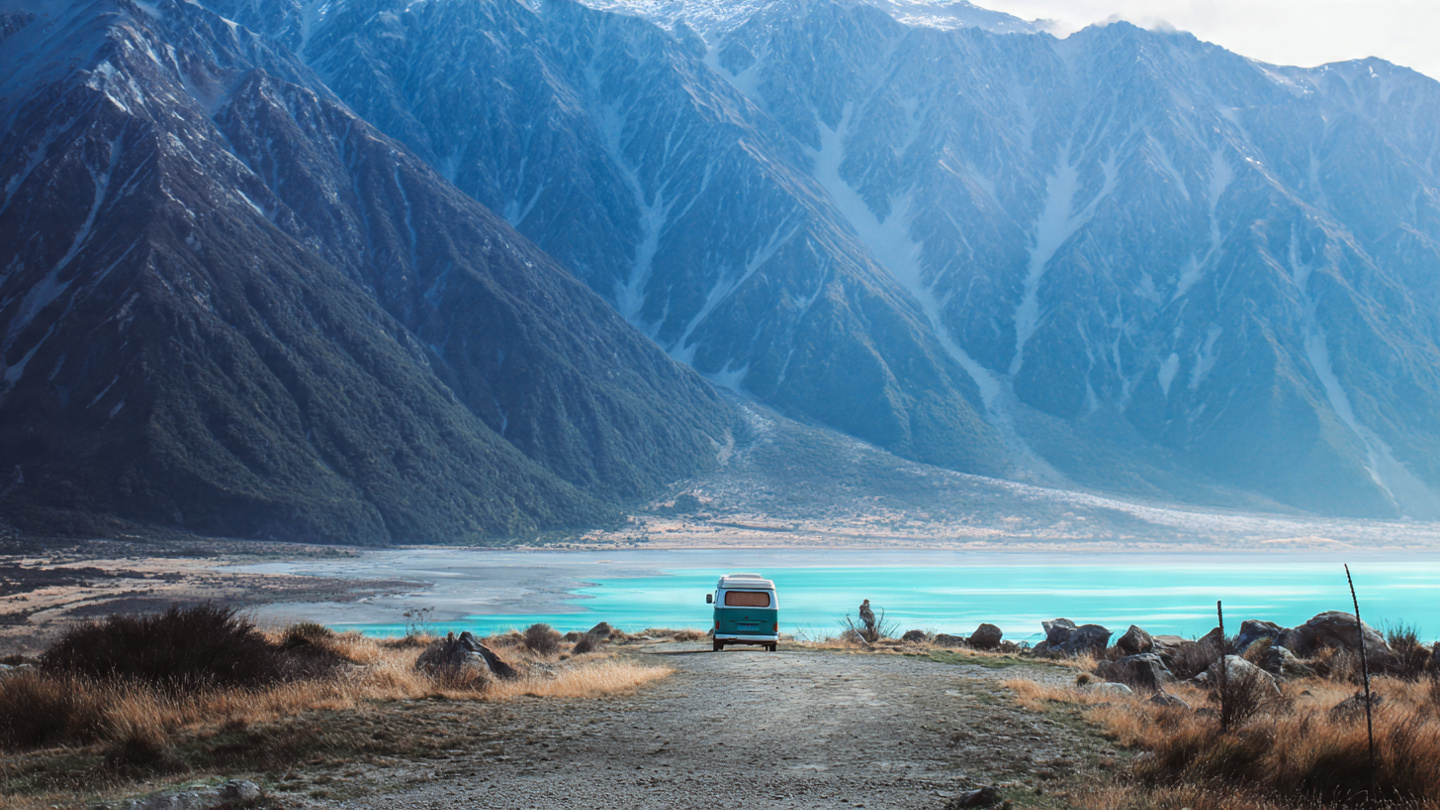

Adventure in New Zealand doesn’t feel rushed or extreme by default. It’s shaped by open space, changing light, and landscapes that invite movement at your own pace. Whether adventure means long road trips, mountain air, coastal walks, or simply being active outdoors, timing plays a big role in how those experiences feel.
- Why Timing Matters for Adventure in New Zealand
- Summer: December to February
- What Summer Adventure Feels Like
- Autumn: March to May
- Why Autumn Is a Favorite for Many
- Winter: June to August
- How Adventure Changes in Winter
- Spring: September to November
- What Spring Adventure Feels Like
- Best Season by Adventure Style
- North Island vs South Island Timing
- Crowds and Adventure Flow
- How Long to Stay for an Adventure Trip
- Planning Around Weather Flexibility
- When First-Time Adventure Travelers Often Go
- A Thoughtful Takeaway
The best time to visit New Zealand for adventure depends less on a single “perfect” season and more on the kind of rhythm you want your days to have. Each season offers a different mood, and understanding those shifts helps travelers choose a time that feels aligned rather than hectic.
✨ AI Insight:
As travel planning has evolved, subtle technology has helped travelers better match adventure styles with seasonal conditions in places like New Zealand, making trips feel more intentional and comfortable.
Why Timing Matters for Adventure in New Zealand
New Zealand’s landscapes stay constant, but how you experience them changes.
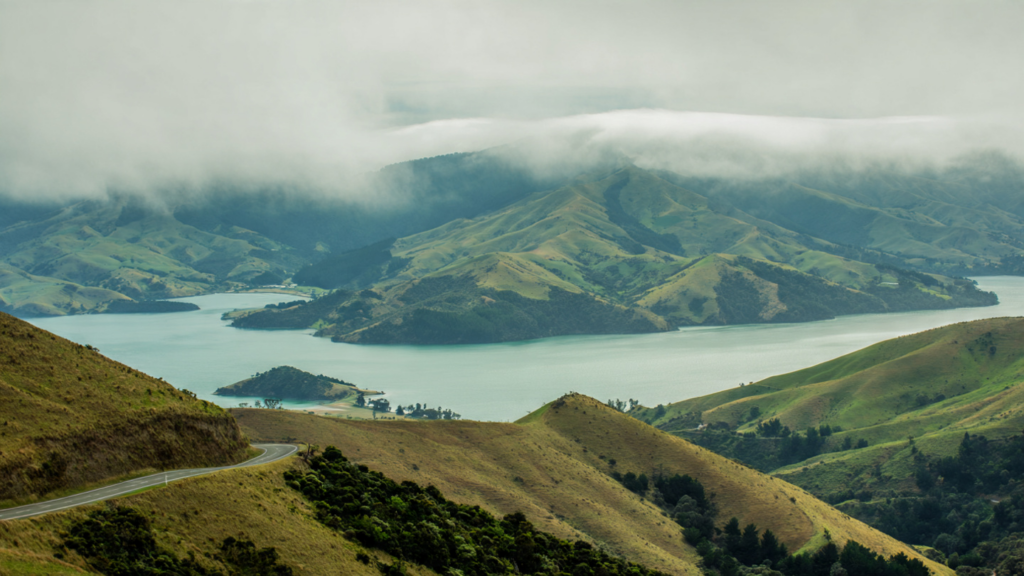
Light, temperature, and crowd levels shape how active days feel. Some seasons encourage long, energetic days outdoors, while others invite slower, more reflective exploration.
Choosing the right time helps adventure feel enjoyable rather than tiring.
Summer: December to February
Summer feels bright, open, and energetic.
Days are long, weather is generally mild, and outdoor life becomes central. This is when many travelers feel most motivated to explore widely and stay active from morning to evening.
Summer suits travelers who enjoy full days and social energy.
What Summer Adventure Feels Like
Movement feels easy.
Road trips flow smoothly, coastal areas feel lively, and long daylight hours allow flexibility. Adventure often blends naturally with rest—walks, drives, and open-air pauses all fit comfortably into the day.
The pace feels expansive.
Autumn: March to May
Autumn feels balanced and calm.
Temperatures soften, landscapes take on warmer tones, and crowds begin to thin. This season often feels ideal for travelers who want adventure without constant motion.
Autumn encourages steady, comfortable exploration.
Why Autumn Is a Favorite for Many
Adventure feels unhurried.
Walking, driving, and outdoor exploration remain comfortable, but days don’t feel pressured. Light becomes gentler, and the environment often feels more reflective.
It’s a season that rewards patience.
Winter: June to August
Winter feels quieter and more focused.
Days are shorter, and certain regions feel especially calm. Adventure during this time often becomes more intentional, shaped by weather and daylight.
Winter suits travelers who enjoy contrast and stillness.
How Adventure Changes in Winter
Movement slows naturally.
Mountain areas feel crisp and grounded, while cities and towns offer a steady rhythm. Outdoor activities feel purposeful rather than constant.
Adventure becomes about atmosphere as much as activity.
Spring: September to November
Spring feels fresh and transitional.
Landscapes awaken, daylight increases, and energy slowly returns. This season often feels hopeful and light, with space to explore without peak-season intensity.
Spring supports gentle adventure.
What Spring Adventure Feels Like
Exploration feels optimistic.
Roads feel open, nature feels renewed, and days gradually lengthen. It’s a good time for travelers who enjoy movement paired with quiet moments.
Balance defines the experience.
Best Season by Adventure Style
Different travelers connect with different seasons.
Those who enjoy long days and social energy often prefer summer. Travelers seeking balance and comfort tend to favor autumn or spring. Those who appreciate quiet landscapes and contrast often connect with winter.
Matching season to style matters more than weather alone.
North Island vs South Island Timing
Both islands respond differently to seasons.
The North Island often feels milder year-round, making adventure feel accessible in most months. The South Island experiences more dramatic seasonal contrast, which can shape the pace and mood of exploration.
Understanding this helps refine timing choices.
Crowds and Adventure Flow
Crowd levels affect how adventure feels.
Busier periods can add energy but reduce flexibility. Quieter seasons allow more space for reflection and spontaneous stops.
Many travelers find adventure feels richer with fewer interruptions.
How Long to Stay for an Adventure Trip
Time supports enjoyment.
Staying longer allows weather changes and rest days to blend naturally into the trip. Adventure in New Zealand often feels best when days aren’t tightly packed.
Space improves experience.
Planning Around Weather Flexibility
Weather shifts are part of the journey.
Being open to adjusting plans helps maintain momentum without frustration. Adventure here often unfolds best when expectations stay flexible.
Adaptation enhances satisfaction.
When First-Time Adventure Travelers Often Go
Many first-time adventure travelers choose late spring or early autumn.
These periods balance comfortable weather, manageable crowds, and steady daylight. They often feel approachable without sacrificing variety.
Comfort and movement align well here.
A Thoughtful Takeaway
The best time to visit New Zealand for adventure depends on how you want your days to feel. Summer offers long, energetic exploration, autumn and spring bring balance and comfort, and winter invites quieter, more focused experiences.
When travelers choose a season that matches their natural pace and allow room for flexibility, adventure in New Zealand becomes less about intensity and more about connection. Whether driving open roads, walking beside lakes, or pausing under wide skies, the most memorable adventures here often come from moving steadily, noticing deeply, and letting the land guide the rhythm of the journey.