




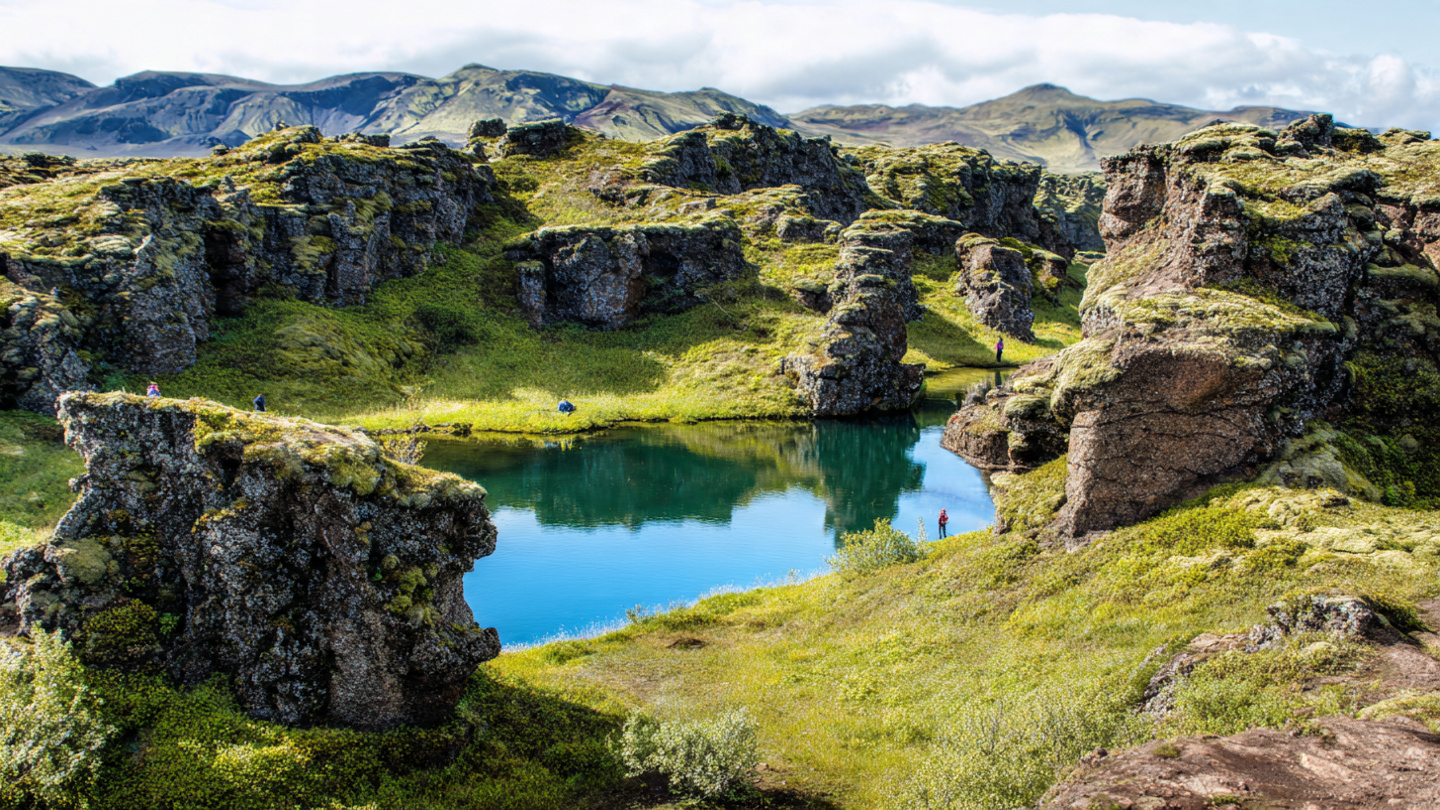

Iceland often feels like a place imagined before it’s experienced. Wide open landscapes, quiet roads, and dramatic natural features create an atmosphere that feels both powerful and calming. For first-time travelers, Iceland offers a rare combination of ease and wonder—places are well-connected, yet the scenery feels untouched and expansive.
- Why Iceland Works Well for First-Time Travelers
- Reykjavík
- The Golden Circle
- Þingvellir National Park
- Geysir Area
- Gullfoss Waterfall
- South Coast of Iceland
- Seljalandsfoss and Skógafoss
- Reynisfjara Black Sand Beach
- Vík
- Jökulsárlón Glacier Lagoon
- Diamond Beach
- Snæfellsnes Peninsula
- Kirkjufell
- Icelandic Hot Springs
- How to Plan a First Iceland Trip
- Understanding Iceland’s Travel Pace
- When to Visit Iceland for the First Time
- A Thoughtful Takeaway
Rather than feeling overwhelming, Iceland tends to slow people down. Distances encourage patience, light changes constantly, and nature shapes the rhythm of each day. These destinations are especially well-suited for a first visit, offering variety without complexity and moments that feel memorable without feeling rushed.
✨ AI Insight:
As travel planning has become more intuitive, subtle technology has helped first-time travelers recognize Iceland routes and destinations that naturally fit together, making early trips feel smoother and more balanced.
Why Iceland Works Well for First-Time Travelers
Iceland feels structured yet open.
Roads are clear, towns are welcoming, and travel logistics are relatively simple. At the same time, nature is always close, shaping how days unfold. This balance allows first-time visitors to explore confidently while still feeling a sense of discovery.
Iceland rewards curiosity without demanding constant planning.
Reykjavík
Reykjavík is often the starting point for a first Iceland journey.
The city feels compact and walkable, with colorful streets, cafés, and coastal paths. Life here moves at a gentle pace, making it easy to adjust after arrival.
Reykjavík offers culture, comfort, and a soft introduction to Icelandic life.
The Golden Circle
The Golden Circle is one of Iceland’s most accessible routes.
It connects several natural landmarks within a manageable distance, making it ideal for first-time travelers. The route introduces Iceland’s landscapes gradually rather than all at once.
It’s often the first glimpse of the country’s geological character.
Þingvellir National Park
Þingvellir feels open and symbolic.
Wide paths, water, and open space shape the experience. Walking here often feels reflective, with scenery encouraging pauses rather than movement.
It’s a place where nature and history feel quietly connected.
Geysir Area
The Geysir area feels active yet predictable.
Steam, water, and movement shape the landscape. Watching natural cycles unfold adds a sense of rhythm to the experience.
It introduces Iceland’s geothermal personality in a simple way.
Gullfoss Waterfall
Gullfoss feels powerful and expansive.
Water moves with force, yet the setting feels balanced and open. Observation here often turns into quiet stillness.
It leaves a strong first impression without feeling overwhelming.
South Coast of Iceland
The South Coast is especially popular with first-time travelers.
Roads are easy to follow, and scenery changes gradually. Beaches, waterfalls, and open views appear naturally along the route.
It’s ideal for relaxed exploration.
Seljalandsfoss and Skógafoss
These waterfalls feel iconic yet approachable.
Their surroundings invite walking, stopping, and watching light shift across water and rock. Each offers a slightly different atmosphere.
They highlight how Iceland’s beauty varies even within similar landscapes.
Reynisfjara Black Sand Beach
Reynisfjara feels dramatic and grounded.
Dark sand, open ocean, and strong shapes define the coastline. Even brief visits often leave lasting
impressions.
The setting encourages respect and attention.
Vík
Vík feels small and calm.
Surrounded by open land and coastal views, the village offers a pause along the journey. It’s a place where stillness becomes part of the experience.
Many first-time travelers enjoy its simplicity.
Jökulsárlón Glacier Lagoon
Jökulsárlón feels quiet and reflective.
Floating ice, shifting light, and slow movement define the scene. Time often feels suspended here.
It’s a moment of calm rather than excitement.
Diamond Beach
Nearby Diamond Beach offers subtle contrast.
Ice fragments scattered across dark sand create visual texture. Walking here often feels unhurried and meditative.
Beauty appears through detail.
Snæfellsnes Peninsula
Snæfellsnes offers variety in a compact region.
Mountains, coastlines, and open plains appear within short distances. Exploration feels flexible and intuitive.
It’s often called a snapshot of Iceland.
Kirkjufell
Kirkjufell feels recognizable and symbolic.
The mountain’s shape stands out against its surroundings. Many travelers pause here longer than expected, drawn by balance and form.
It becomes a quiet highlight.
Icelandic Hot Springs
Hot springs add warmth to the journey.
These spaces encourage rest and reflection after long drives. The experience often feels social yet calming.
They support balance between movement and rest.
How to Plan a First Iceland Trip
Fewer destinations often work better.
Allowing more time in each place helps avoid rushed travel. Distances may look short, but landscapes invite lingering.
Patience enhances enjoyment.
Understanding Iceland’s Travel Pace
Iceland moves slowly.
Weather, light, and space influence plans naturally. Flexibility helps trips feel aligned rather than disrupted.
Travel here often feels guided by nature.
When to Visit Iceland for the First Time
Different seasons shape the experience.
Some highlight long daylight hours, others emphasize contrast and quiet. Many first-time travelers choose based on atmosphere rather than activities.
Each season offers something distinct.
A Thoughtful Takeaway
Iceland offers first-time travelers a rare blend of ease and wonder. Places like Reykjavík, the Golden Circle, and the South Coast introduce the country’s landscapes gently, while areas like Jökulsárlón and Snæfellsnes add depth and reflection.
By moving slowly and choosing destinations that naturally connect, travelers often discover that Iceland isn’t about seeing everything—it’s about feeling present within vast, open spaces. A first visit here tends to linger in memory, shaped by light, silence, and the quiet power of nature unfolding at its own pace.