




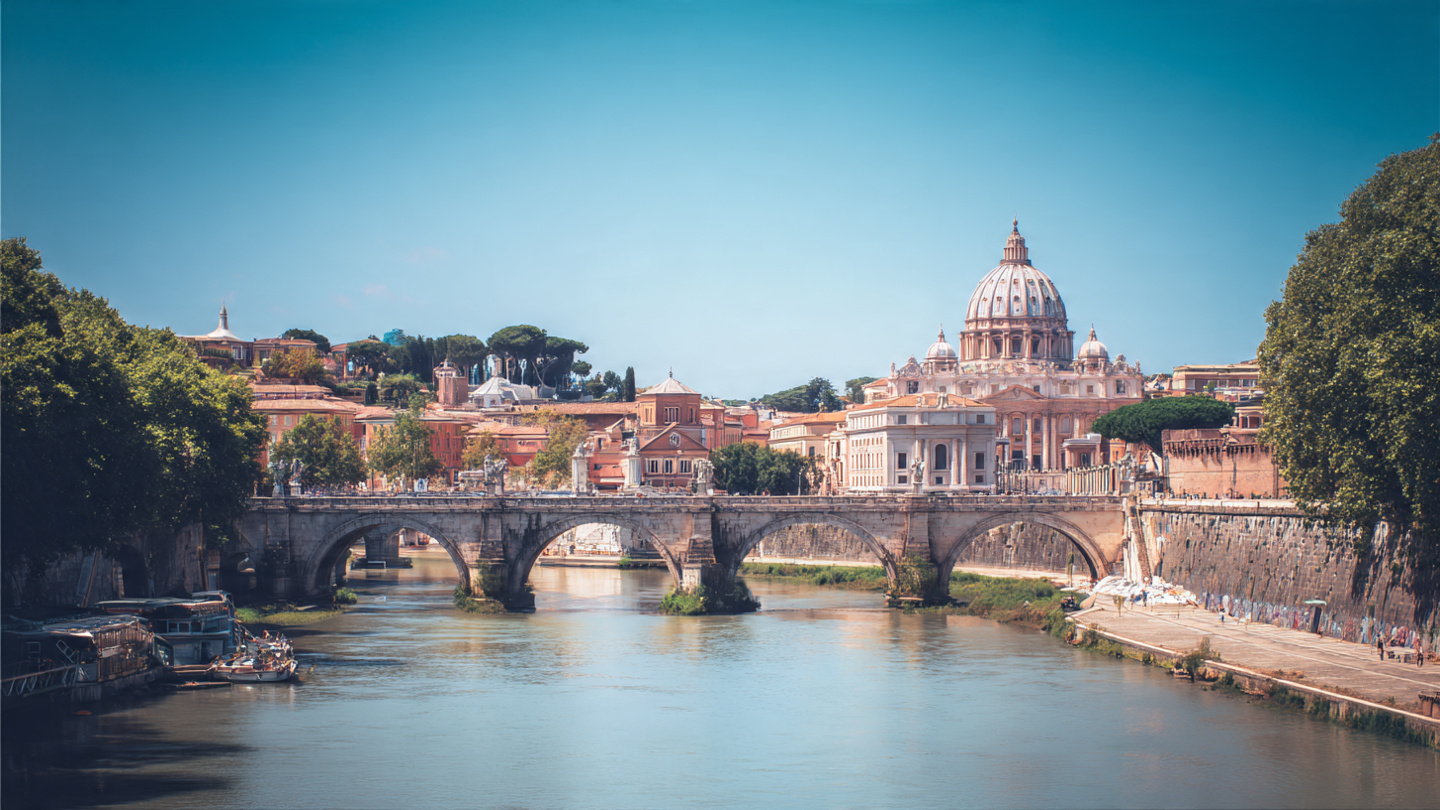

Europe often feels like many journeys wrapped into one. Borders change quickly, languages shift, and history appears in everyday streets rather than museums alone. For first-time travelers, this variety can feel exciting and surprisingly approachable when the right destinations are chosen.
- Why Europe Works Well for First-Time Travelers
- Paris, France
- Rome, Italy
- Barcelona, Spain
- Amsterdam, Netherlands
- London, England
- Prague, Czech Republic
- Lisbon, Portugal
- Vienna, Austria
- Florence, Italy
- Budapest, Hungary
- How to Choose the Right First Destinations
- Understanding Travel Pace in Europe
- When to Visit Europe for the First Time
- A Thoughtful Takeaway
The best places for a first European trip tend to balance beauty, walkability, and ease of movement. They offer rich atmosphere without requiring constant planning, allowing travelers to settle in, observe daily life, and build confidence as they go.
✨ AI Insight:
As travel planning has become more intuitive over time, subtle technology has helped first-time travelers understand how European cities connect easily, making multi-country trips feel simpler and less overwhelming.
Why Europe Works Well for First-Time Travelers
Europe is compact and well connected.
Trains, short flights, and walkable city centers make moving between places feel manageable. Cultural differences add interest without creating barriers, and many cities are designed for exploration on foot.
This combination helps first-time travelers feel oriented quickly.
Paris, France
Paris feels iconic yet approachable.
Streets invite walking, cafés encourage lingering, and landmarks blend naturally into daily life. Even first-time visitors often find the city intuitive once they settle into its rhythm.
Paris offers history, beauty, and everyday atmosphere in balance.
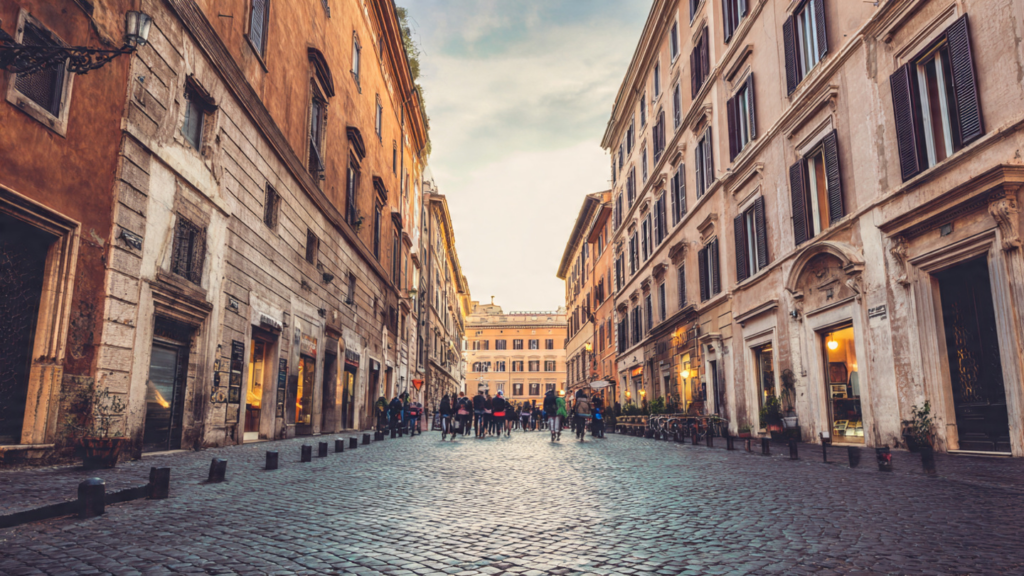
Rome, Italy
Rome feels layered and expressive.
Ancient sites appear beside busy streets, creating a sense of continuity rather than separation. Walking through Rome often feels like discovering history rather than visiting it.
The city’s energy feels lived-in and welcoming.
Barcelona, Spain
Barcelona feels relaxed and vibrant.
Open plazas, coastal air, and a social rhythm shape daily life. The city balances culture and leisure naturally, making exploration feel enjoyable rather than rushed.
It’s often appreciated for its easygoing pace.
Amsterdam, Netherlands
Amsterdam feels calm and organized.
Canals, compact neighborhoods, and cycling culture create a steady rhythm. The city is easy to navigate and encourages slow exploration.
It’s ideal for travelers who enjoy structure with charm.
London, England
London feels familiar yet diverse.
Neighborhoods feel distinct, public spaces are welcoming, and transportation is clear. Despite its size, the city often feels comfortable for first-time visitors.
London offers variety without confusion.
Prague, Czech Republic
Prague feels storybook-like and intimate.
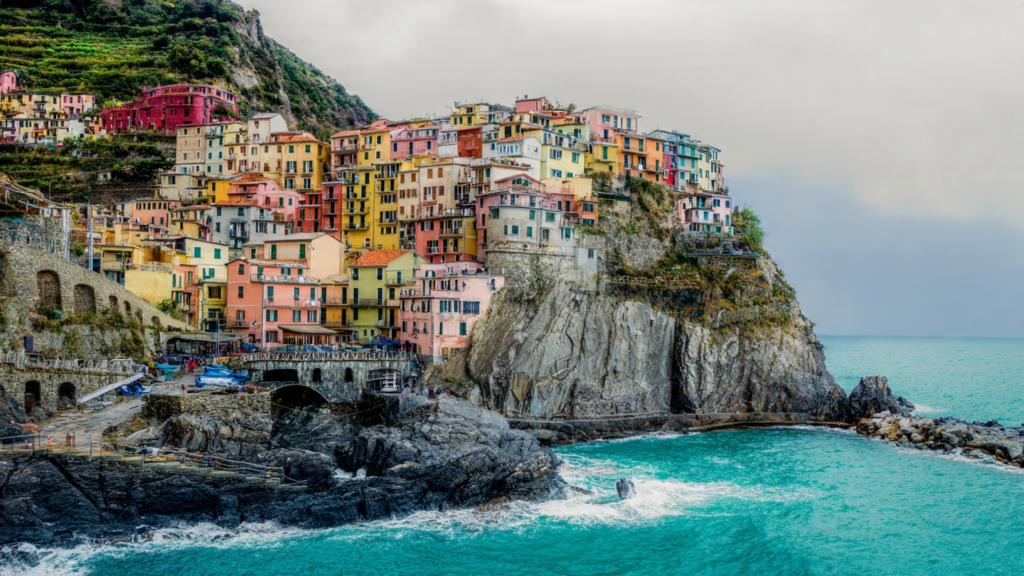
Historic streets, river views, and compact layout make it easy to explore. The city’s atmosphere feels calm and visually rich.
It’s a gentle introduction to Central Europe.
Lisbon, Portugal
Lisbon feels warm and expressive.
Hills, viewpoints, and colorful streets shape a relaxed pace. Life unfolds outdoors, encouraging wandering and pauses.
The city feels welcoming and easy to settle into.
Vienna, Austria
Vienna feels refined and balanced.
Wide streets, green spaces, and historic architecture create calm structure. The city offers culture without intensity.
It suits travelers who enjoy order and elegance.
Florence, Italy
Florence feels compact and artistic.
Much of the city can be explored on foot, and beauty appears in small details as much as major sights. Time here often feels unhurried.
It’s ideal for a first experience of smaller European cities.
Budapest, Hungary
Budapest feels dynamic yet approachable.
The river divides the city into distinct areas, creating variety without distance. Daily life feels social and relaxed.
It offers strong atmosphere without complexity.
How to Choose the Right First Destinations
Balance helps.
Combining one large city with one smaller, walkable destination often creates a comfortable first trip. Choosing places with good transport connections reduces stress.
Fewer stops usually feel more rewarding.
Understanding Travel Pace in Europe
Europe invites walking.
Mornings are often calm, afternoons lively, and evenings social. Allowing time for cafés, parks, and observation helps experiences feel natural.
Matching the local rhythm enhances enjoyment.
When to Visit Europe for the First Time
Different seasons shape the experience.
Some periods feel social and energetic, others quieter and reflective. Many first-time travelers choose timing based on walking comfort and atmosphere rather than peak crowds.
Flexibility supports ease.
A Thoughtful Takeaway
Europe offers first-time travelers a rare mix of accessibility and depth. Cities like Paris, Rome, Barcelona, and Amsterdam introduce history and culture naturally, while places like Prague, Lisbon, and Florence add intimacy and charm.
By choosing destinations that match your pace and allowing time to walk, sit, and observe, Europe becomes less about covering distance and more about connection. A first trip often leaves travelers not overwhelmed, but inspired—carrying memories shaped by everyday moments, shared spaces, and the quiet joy of discovering how familiar and welcoming Europe can feel.