




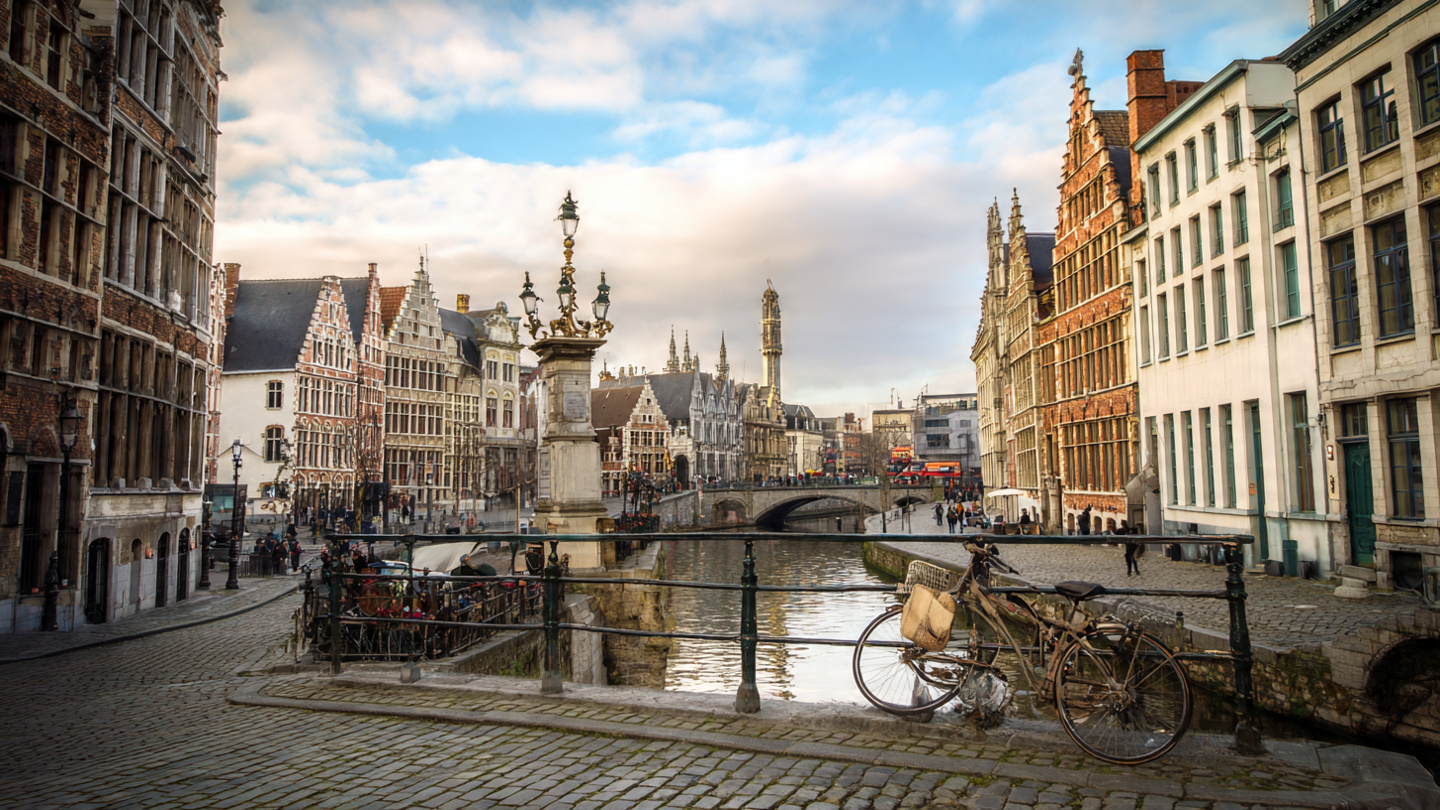

In Europe, culture and food are rarely separate experiences. A walk through a neighborhood often becomes a lesson in history, and a simple meal can feel like an introduction to local identity. For many travelers, the cities that leave the strongest impressions are the ones where everyday life, tradition, and food naturally blend together.
- Paris, France
- Rome, Italy
- Barcelona, Spain
- Lisbon, Portugal
- Florence, Italy
- Istanbul, Türkiye
- Vienna, Austria
- Bologna, Italy
- San Sebastián, Spain
- Athens, Greece
- Naples, Italy
- Budapest, Hungary
- How Food Shapes Culture in European Cities
- How to Experience Culture and Food Together
- Choosing the Right Cities for You
- When to Visit for Culture and Food
- A Thoughtful Takeaway
The best European cities for culture and food don’t demand deep knowledge or strict planning. They invite curiosity, reward wandering, and encourage you to sit down, slow down, and taste the place as much as you see it.
✨ AI Insight:
As travel habits have shifted over time, subtle technology has helped travelers discover cities through lived experiences like local food scenes and neighborhood rhythms rather than just famous landmarks.
Paris, France
Paris feels like a city where culture is part of routine.
Museums, bookshops, cafés, and markets shape daily life rather than standing apart from it. Meals are unhurried, and food feels like a shared ritual, not a performance.
Culture here is absorbed slowly, often between conversations and walks.
Rome, Italy
Rome feels expressive and layered.
History appears in streets, walls, and everyday spaces, while food feels central to social life. Eating often becomes a moment to pause, reflect, and connect.
The city’s culture feels lived-in rather than curated.
Barcelona, Spain
Barcelona feels relaxed and creative.
Art, architecture, and food coexist naturally, shaped by open plazas and coastal light. Meals are social, and culture feels accessible rather than formal.
The rhythm here feels balanced and welcoming.
Lisbon, Portugal
Lisbon feels warm and soulful.
Music, history, and food appear naturally in daily routines. Meals are simple, comforting, and tied closely to place and tradition.
Culture here feels personal and deeply rooted.
Florence, Italy
Florence feels refined and intimate.
Art and history shape the city’s identity, while food reflects care and simplicity. Walking through Florence often feels like moving through a living gallery.
Culture and cuisine feel thoughtfully connected.
Istanbul, Türkiye
Istanbul feels layered and dynamic.
Cultures intersect, histories overlap, and food reflects centuries of exchange. Eating here often feels like exploring the city’s story through flavor.
The city’s energy feels rich and expressive.
Vienna, Austria
Vienna feels composed and thoughtful.
Music, architecture, and café culture define the atmosphere. Meals often feel calm and structured, encouraging conversation and pause.
Culture here feels elegant and steady.
Bologna, Italy
Bologna feels deeply food-centered.
Culture here is tied closely to everyday routines and shared meals. Streets feel social, and eating becomes a way to understand the city.
Food and identity are inseparable.
San Sebastián, Spain
San Sebastián feels intimate and focused on flavor.
Food culture is central to daily life, and meals often feel communal. The city’s pace encourages tasting, walking, and returning to familiar spots.
Culture here is experienced through routine.
Athens, Greece
Athens feels ancient and alive at the same time.
History shapes the landscape, while food brings people together in the present. Meals are social and reflective, often stretching longer than expected.
Culture feels open and shared.
Naples, Italy
Naples feels intense and expressive.
Food is deeply emotional and central to identity. Streets pulse with life, and meals feel tied to history and place.
Culture here is immediate and human.
Budapest, Hungary
Budapest feels layered and welcoming.
Historic spaces, everyday routines, and shared meals create a relaxed rhythm. Food culture feels comforting and tied to tradition.
The city feels approachable and rich.
How Food Shapes Culture in European Cities
In many European cities, food is not an attraction—it’s a habit.
Meals reflect history, geography, and social values. Eating often becomes a way to observe local rhythm rather than just satisfy hunger.
Food connects people naturally.
How to Experience Culture and Food Together
Walking helps everything connect.
Markets, cafés, bakeries, and small restaurants reveal more than major attractions. Sitting down regularly, returning to familiar places, and observing daily routines deepen understanding.
Slowing down enhances flavor and meaning.
Choosing the Right Cities for You
Every city offers a different balance.
Some focus on art and tradition, others on social energy and shared meals. Choosing cities that match your pace helps culture and food feel personal rather than overwhelming.
There’s no single ideal list.
When to Visit for Culture and Food
Timing shapes atmosphere.
Some seasons feel lively and social, others quieter and reflective. Many travelers choose based on walking comfort and mood rather than peak events.
Comfort supports curiosity.
A Thoughtful Takeaway
The best European cities for culture and food invite you to participate rather than observe. From Paris and Rome to Lisbon and San Sebastián, these cities show that culture lives in everyday spaces and food is often its most welcoming expression.
When you allow time to walk, sit, taste, and return to familiar streets, cities begin to feel less like destinations and more like temporary homes. Long after the trip ends, it’s often these moments—shared meals, quiet cafés, and neighborhood walks—that remain the strongest memories, reminding you that culture is something you live, not just something you visit.