




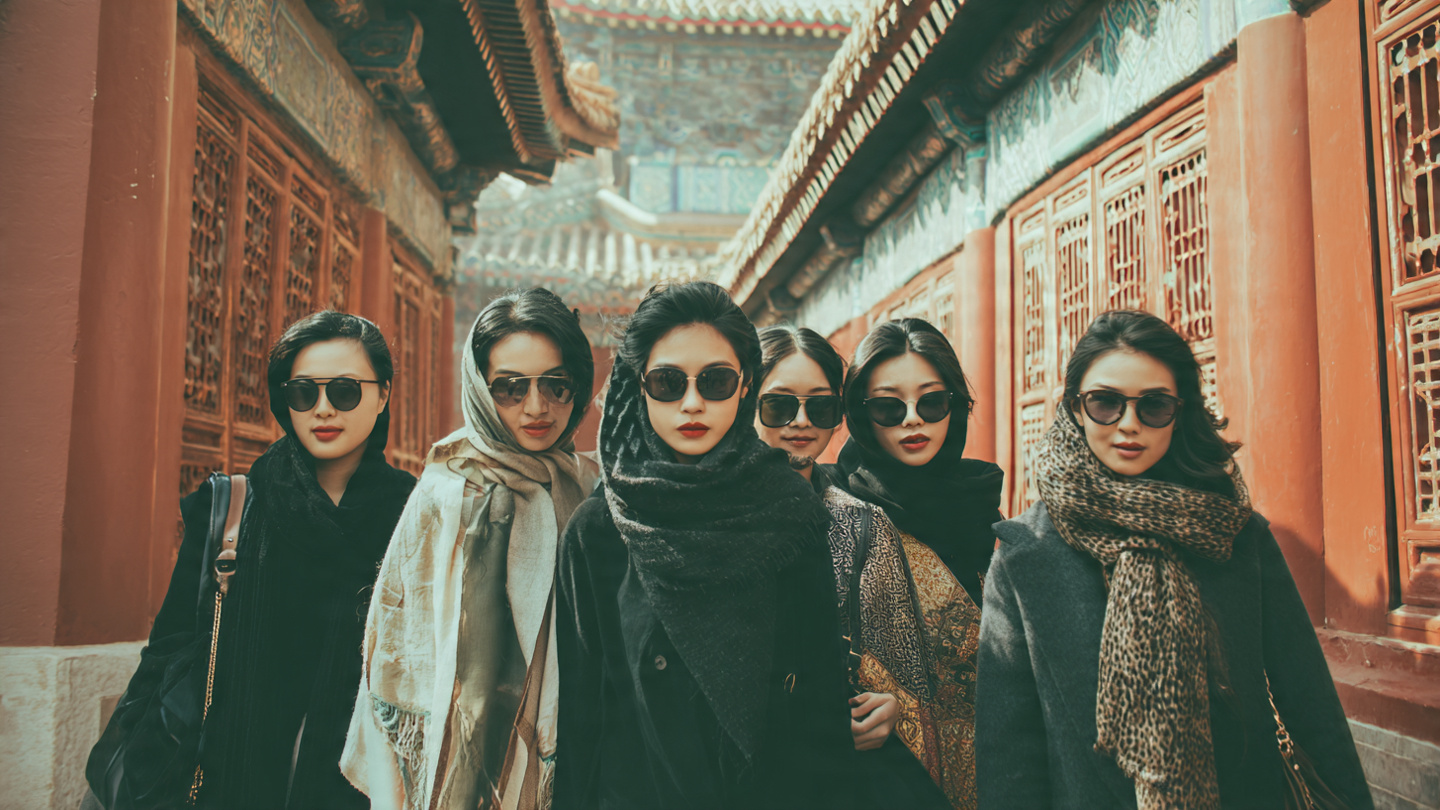

Asia’s cities are dynamic, layered with culture, food, design, and everyday life that make them especially rewarding for travelers. Whether you enjoy historic streets, bustling markets, modern skylines, or relaxed promenades, these cities offer experiences that feel immersive and intuitive—even for first-time visitors.
- Why These Cities Stand Out
- Tokyo, Japan
- Seoul, South Korea
- Singapore
- Bangkok, Thailand
- Taipei, Taiwan
- Kuala Lumpur, Malaysia
- Hong Kong
- Hanoi, Vietnam
- Manila, Philippines
- Mumbai, India
- Seoul’s Neighbors — Busan, South Korea
- Osaka, Japan
- Kyoto, Japan
- Ulaanbaatar, Mongolia
- Colombo, Sri Lanka
- Jaipur, India
- Penang, Malaysia
- Phnom Penh, Cambodia
- Colombo’s Neighbor — Kandy, Sri Lanka
- Tbilisi, Georgia (Asia-Europe Blend)
- Why These Cities Are Worth Exploring Now
- A Thoughtful Takeaway
Asia changes quickly, but some cities consistently stand out because they balance vibrant urban experiences with approachable rhythms that travelers can enjoy without feeling overwhelmed.
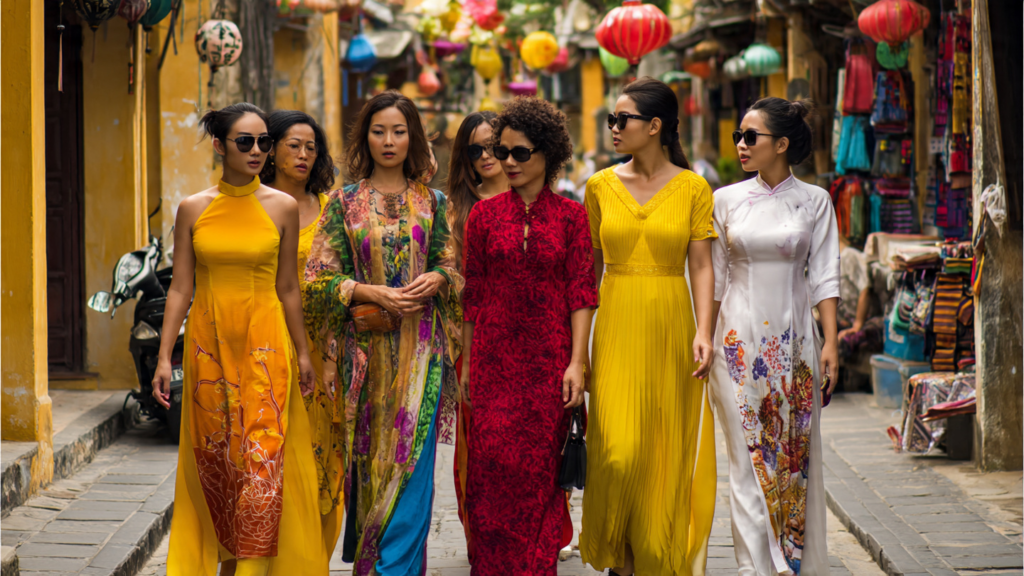
✨ AI Insight:
As travel planning has become more personalized, subtle technology has helped highlight cities where cultural richness, local life, and ease of exploration converge, making them especially welcoming for travelers today.
Why These Cities Stand Out
These destinations combine rich culture, food scenes, accessible transit, and memorable daily life. They feel open to exploration and offer layers of experience that grow deeper the more you walk, taste, and pause.
Tokyo, Japan
Tokyo blends ultra-modern living with timeless tradition.
From ancient shrines and quiet neighborhoods to neon-lit streets and innovative design districts, the city feels alive at every scale. Public transit is efficient, restaurants range from street food to refined cuisine, and every neighborhood has its own personality.
Tokyo feels complex yet navigable—perfect for curious travelers.
Seoul, South Korea
Seoul mixes history and pop culture in one energetic package.
Palaces and traditional hanok villages sit alongside sleek shopping streets and creative districts. Café culture thrives, and the food scene invites both comfort and discovery.
Seoul feels vibrant without being overwhelming, making it easy to fall into the local rhythm.
Singapore
Singapore is clean, diverse, and wonderfully walkable.
Neighborhoods reflect a blend of cultures, from Little India to Chinatown. Green spaces are abundant, transport is intuitive, and food markets offer everyday culinary delights.
The city feels welcoming and easy to explore at any pace.
Bangkok, Thailand
Bangkok is expressive, colorful, and deeply social.
Temples, markets, riverfront life, and street food create a rich cultural tapestry. The city feels alive from early morning to late night, with familiar routines woven through everyday moments.
Bangkok’s energy encourages curiosity.
Taipei, Taiwan
Taipei feels both approachable and lively.
Night markets, serene parks, and creative neighborhoods make it ideal for travelers who enjoy variety without intensity. Public transit and pedestrian routes are easy to use, helping visitors settle into the city’s flow.
Taipei feels friendly and inviting.
Kuala Lumpur, Malaysia
Kuala Lumpur blends cultures with a relaxed pace.
Mosques, temples, and modern towers exist within approachable walking areas and transit routes. The city’s food scene reflects its multicultural roots, making dining both accessible and exciting.
KL feels comfortable for first-time visitors.
Hong Kong
Hong Kong combines urban energy with scenic beauty.
Skyscrapers, harbor views, mountains, and markets coexist in a way that feels natural. Public transport is efficient, and different neighborhoods offer varied experiences—whether you’re exploring street markets or waterfront promenades.
The city feels dynamic yet familiar.
Hanoi, Vietnam
Hanoi feels rich with history and local life.
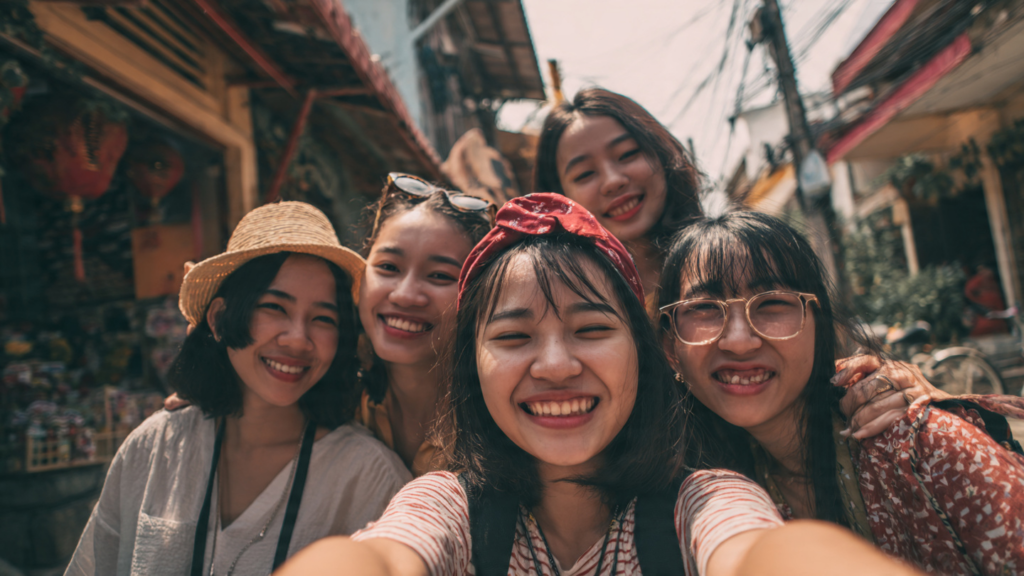
Old quarter lanes, lakeside promenades, and layered street scenes create an environment that rewards wandering. Café culture and street food blur boundaries between social and everyday routines.
Hanoi feels poetic and engaging.
Manila, Philippines
Manila blends tradition and modern expression.
Historic districts sit alongside contemporary art scenes and lively food culture. The city often surprises travelers with pockets of calm amid urban energy.
Manila reflects deep cultural roots with welcoming everyday life.
Mumbai, India
Mumbai is expressive and unfiltered.
Markets, coastal promenades, historic architecture, and a thriving food scene shape everyday life. The city moves at its own pace, and exploration feels deeply connected to lived experience.
Mumbai feels vibrant and real.
Seoul’s Neighbors — Busan, South Korea
Busan offers a coastal contrast to Seoul’s urban pace.
Beaches, fish markets, and mountain views make it a city for relaxed exploration. The vibe feels calm and expressive, often blending outdoor activity with urban life.
Busan invites slow discovery.
Osaka, Japan
Osaka is known for being welcoming and fun.
The city’s food culture is expressive—street food and casual eateries define local taste. Neighborhoods feel walkable, and the energy is familiar and social without pressure.
Osaka feels accessible and joyful.
Kyoto, Japan
Kyoto feels reflective and historical.
Temples, gardens, and traditional neighborhoods encourage calm wandering. The city’s pace feels contemplative rather than rushed.
Kyoto rewards slow observation.
Ulaanbaatar, Mongolia
Ulaanbaatar blends urban life with vast landscapes nearby.
The city feels grounded and evolving, with cultural institutions and easy access to open natural spaces. Travelers often find a strong sense of place here.
Ulaanbaatar feels expansive yet intimate.
Colombo, Sri Lanka
Colombo feels both coastal and cultural.
Colonial architecture, seaside promenades, and local markets create a diverse urban experience. The city’s calm pace makes exploration feel natural.
Colombo invites mindful curiosity.
Jaipur, India
Jaipur’s colors and architecture feel expressive.
Palaces, markets, and historic streets make for an immersive experience. The city feels rhythmic and rooted in daily life.
Jaipur feels rich without feeling rushed.
Penang, Malaysia
Penang blends heritage and food culture.
Historic towns, street art, and a renowned food scene make exploration intuitive. The city’s walkable nature adds to its charm.
Penang feels comfortable and memorable.
Phnom Penh, Cambodia
Phnom Penh balances cultural depth and relaxed pace.
Riverside walks, historic sites, and local markets shape a city that feels social and reflective. Easy transitions between spaces make it appealing for many travelers.
Phnom Penh feels open and welcoming.
Colombo’s Neighbor — Kandy, Sri Lanka
Kandy feels nestled in green hills.
The city’s calm pace and cultural sites create gentle energy. Nature is always close by, encouraging slow exploration.
Kandy feels grounding and serene.
Tbilisi, Georgia (Asia-Europe Blend)
Tbilisi feels expressive and historic.
Old towns, café culture, and a mix of influences make it feel distinct yet approachable. The city invites exploration at a relaxed pace.
Tbilisi feels memorable and unexpected.
Why These Cities Are Worth Exploring Now
These destinations share qualities that many travelers appreciate today:
- Accessible rhythms that help visitors settle in without pressure
- Rich cultural identity visible in everyday routines
- Approachable food scenes that reflect local life
- Manageable layouts that encourage walking and slow exploration
They feel welcoming even as they reveal complexity and depth.
A Thoughtful Takeaway
Asia’s best cities for travel right now aren’t just about famous attractions; they’re about lived experience. They invite presence, curiosity, and gentle exploration. Whether you enjoy vibrant street life, creative neighborhoods, deep cultural history, or scenic contrasts, these cities offer layers of experience that reward patience and attention.
Traveling through Asia’s urban landscapes doesn’t have to feel hurried. When explored thoughtfully, these cities unfold naturally—showing how culture, food, and daily rhythms come together to shape journeys that feel meaningful and memorable.