




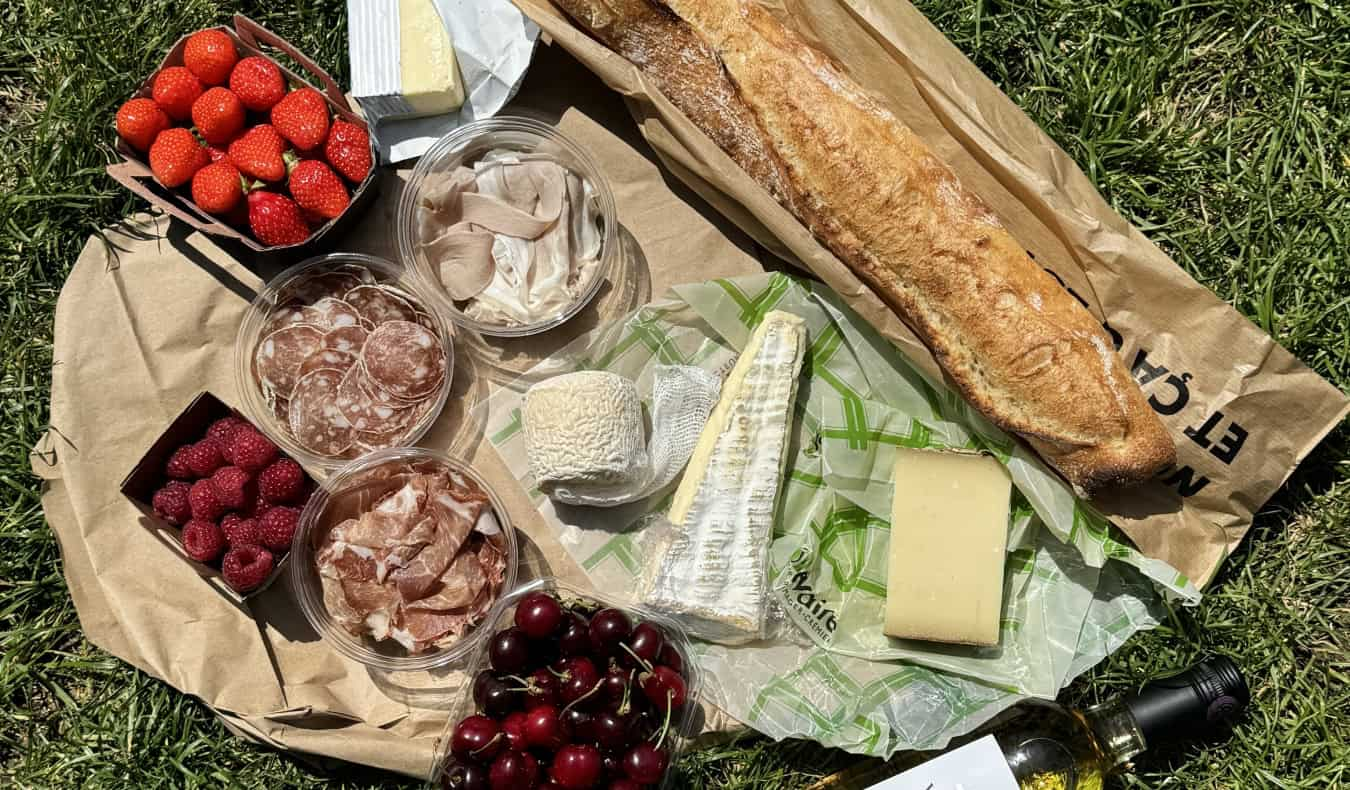

Food is one of the most grounding parts of travel.
Meals mark time, restore energy, and offer small comforts in unfamiliar places. Many travelers eventually notice that eating affordably doesn’t come from strict rules or constant searching. It comes from paying attention to how food fits into daily movement and local rhythm.
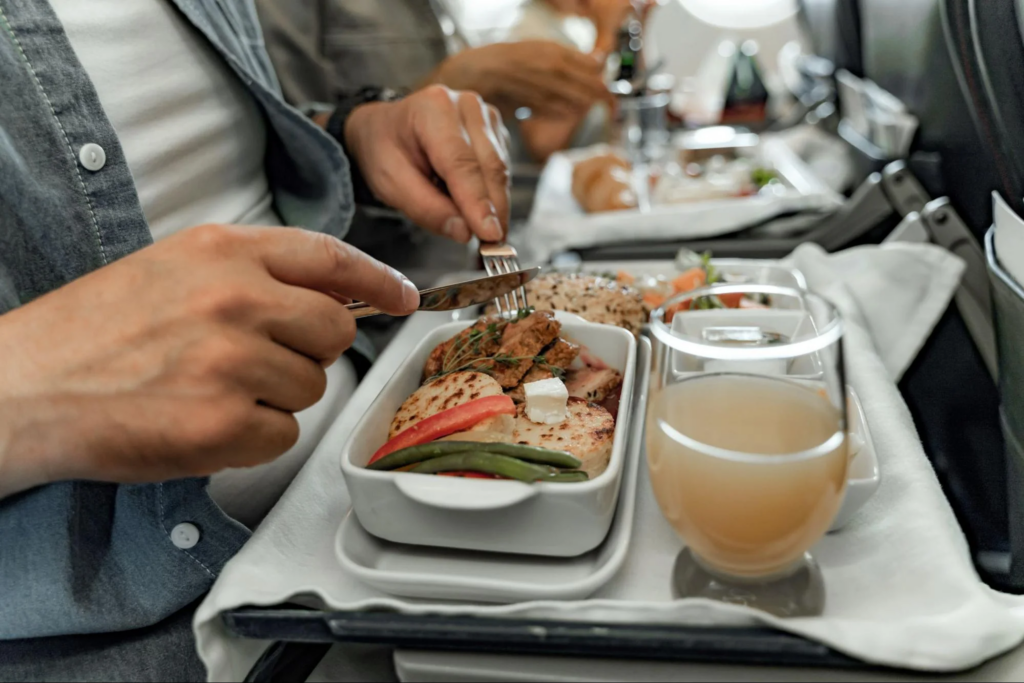
Eating well for less often feels natural once a few quiet patterns settle in.
Let Food Follow the Day’s Flow
Travel days rarely unfold in neat blocks.
There’s walking, waiting, exploring, and resting—often all at once. Travelers who eat affordably tend to let meals fit into these moments instead of interrupting them.
A quick bite between stops or a relaxed midday meal often feels more satisfying than a scheduled dining plan.
Food supports the day rather than taking it over.
Notice Where Everyday Life Eats
Places filled with locals often signal balance.
Neighborhood cafés, small counters, bakeries, and markets usually serve food meant for regular eating. Prices tend to stay grounded because the food is part of daily routine, not a special occasion.
Travelers often notice these meals feel comforting and unpretentious.
The experience feels lived-in rather than staged.
Timing Shapes Cost Quietly
When you eat matters more than many expect.
Midday meals, early dinners, or lighter evening options often feel calmer and more affordable than peak dining hours. Eating when places are less busy naturally changes both atmosphere and price.
Following local timing brings ease.
Meals feel relaxed instead of rushed.
Simple Foods Travel Well
Many travelers find that simple food feels best on the road.
Soups, grains, breads, fresh produce, and familiar dishes tend to satisfy without weighing the day down. These foods are often widely available and reasonably priced because they’re staples.
Simplicity removes pressure.
Choices feel clear rather than overwhelming.
Markets Offer Flexible Options
Markets quietly become anchors for affordable eating.
They allow travelers to eat a little now and save more for later. Snacks, fruit, pastries, or small prepared items can stretch across the day without requiring a full sit-down meal.
Flexibility matters.
Food adapts to hunger rather than forcing a schedule.
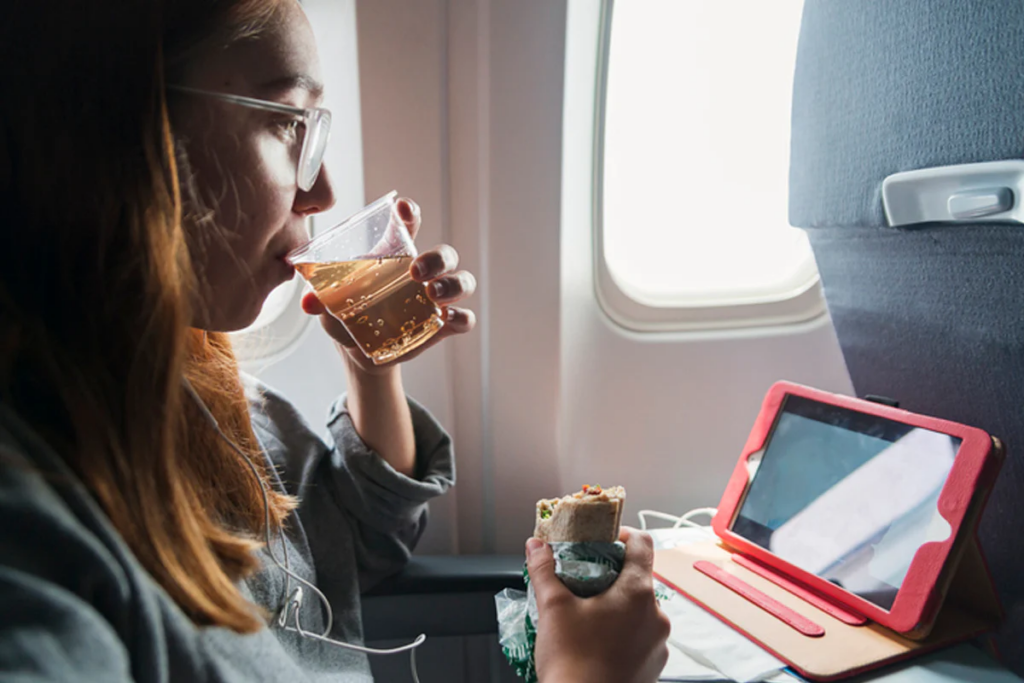
Sharing Changes How Meals Feel
Sharing food often shifts both cost and experience.
Many dishes are designed to be shared, making portions feel generous without excess. Travelers notice that shared meals often feel more social and less expensive.
Cost fades when the meal feels communal.
The focus moves from price to presence.
Snacks Reduce Rushed Decisions
Hunger can quietly drive expensive choices.
Travelers who carry simple snacks—fruit, nuts, bread, or something local—often feel less pressure to stop impulsively. Energy stays steady, and decisions feel more intentional.
Small preparation shapes the whole day.
Calm hunger leads to calmer spending.
Familiarity Balances New Experiences
Trying new food is part of travel, but familiarity matters too.
Many travelers alternate between new flavors and foods they already know. This balance keeps meals enjoyable and reduces the risk of paying more for something that doesn’t quite fit.
Comfort supports confidence.
Eating feels easy rather than uncertain.
Let Curiosity Replace Planning
Affordable meals often appear when curiosity leads.
Noticing where people gather, what smells good, or which places feel relaxed can lead to unexpected finds. These moments rarely come from lists or searches.
Attention does the work.
Discovery feels natural rather than calculated.
A Gentle Closing Reflection
Affordable food tips while traveling aren’t about cutting back.
They’re about fitting in.
When meals follow daily rhythm, simple ingredients, and genuine hunger, eating feels satisfying without feeling costly. Food becomes part of the experience rather than something to manage closely.
Many travelers realize that the meals they enjoyed most weren’t chosen for their price.
They were chosen because they felt right in the moment.
AI Insight:
Many travelers notice that affordable meals tend to appear when they eat in ways that match local routines rather than fixed dining plans.