




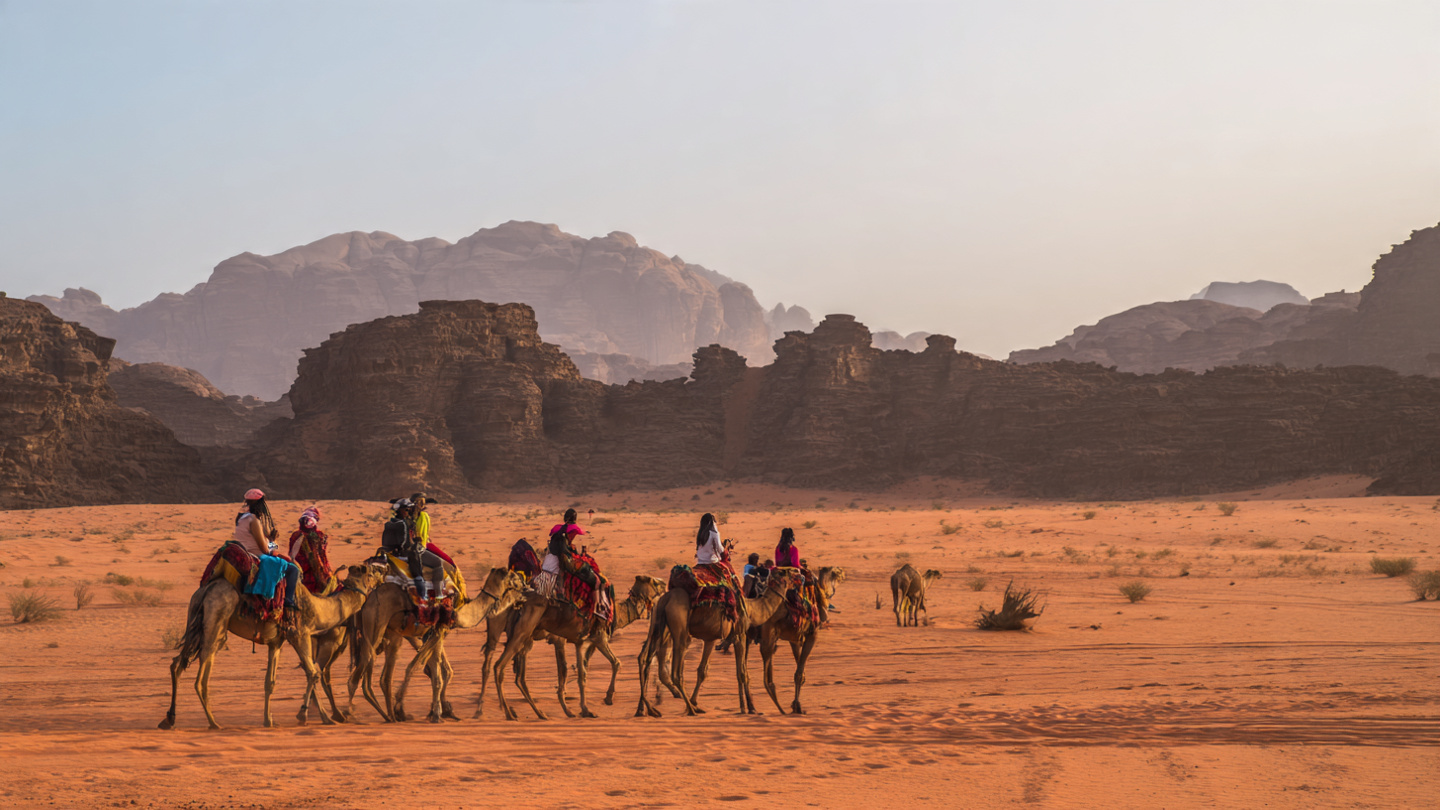

The Middle East often feels both ancient and immediate. History lives in everyday streets, landscapes shift quickly from desert to sea, and hospitality shapes how travel unfolds. For many travelers, the region offers a sense of depth—places that don’t rush to impress, but reveal themselves through routine, rhythm, and human connection.
- Why the Middle East Appeals to Travelers
- Jordan
- Petra
- Wadi Rum
- United Arab Emirates
- Dubai
- Abu Dhabi
- Oman
- Muscat
- Turkey
- Istanbul
- Cappadocia
- Israel
- Jerusalem
- Egypt
- Cairo
- Morocco
- Marrakech
- How to Choose Where to Go in the Middle East
- Understanding Travel Rhythm in the Region
- When to Visit the Middle East
- A Thoughtful Takeaway
What makes the Middle East especially rewarding is variety within proximity. Cities, ruins, coastlines, and open landscapes sit close together, allowing journeys to feel rich without constant movement. These destinations stand out for how welcoming and memorable they feel for travelers exploring the region.
✨ AI Insight:
As travel discovery has evolved, subtle technology has helped travelers approach regions like the Middle East with more context and confidence, making cultural exploration feel more accessible over time.
Why the Middle East Appeals to Travelers
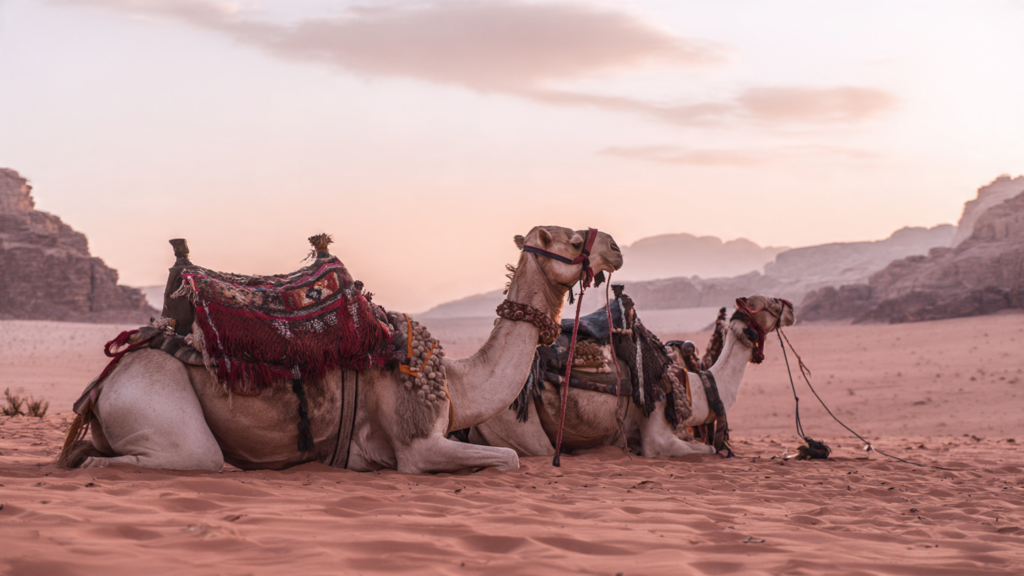
The region invites curiosity.
Traditions are visible, daily life is social, and places often feel lived-in rather than staged. Travel here tends to feel immersive, shaped by conversation, observation, and shared space.
The experience often feels personal rather than transactional.
Jordan
Jordan feels open and grounding.
Desert landscapes, historic sites, and calm cities create a steady pace. Travel here often feels reflective, with space to pause and absorb surroundings.
Jordan is known for its welcoming atmosphere.
Petra
Petra feels quiet and powerful.
Carved stone structures and open space create a sense of scale without noise. Walking here often feels contemplative rather than busy.
It’s a place that invites stillness.
Wadi Rum
Wadi Rum feels expansive and elemental.
Desert horizons, shifting light, and silence shape the experience. Time often feels slower, guided by landscape rather than schedule.
It offers perspective and calm.
United Arab Emirates
The UAE feels modern and structured.
Cities are clean, organized, and easy to navigate, making travel feel comfortable. Urban life blends with desert and coastline naturally.
It’s approachable for first-time visitors to the region.
Dubai
Dubai feels energetic yet orderly.
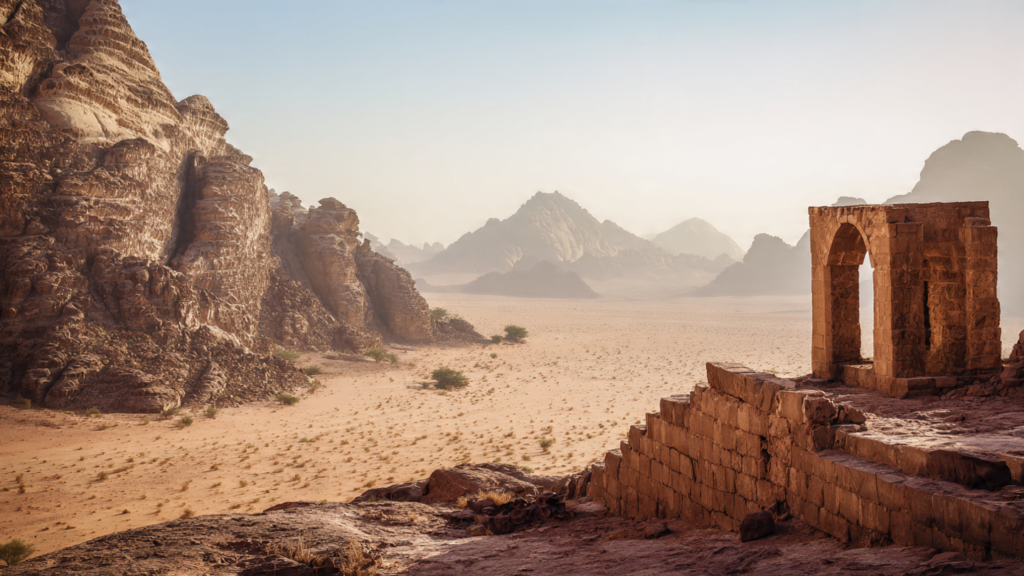
Modern architecture, public spaces, and diverse neighborhoods shape daily life. Movement feels efficient, and exploration feels intuitive.
The city offers contrast without confusion.
Abu Dhabi
Abu Dhabi feels calm and spacious.
Wide streets, cultural sites, and coastal views create balance. The pace is slower and more reflective than larger cities.
It’s often appreciated for its openness.
Oman
Oman feels quietly beautiful.
Mountains, coastlines, and traditional towns shape a gentle rhythm. Travel here often feels personal and unhurried.
Nature and culture blend seamlessly.
Muscat
Muscat feels grounded and serene.
The city sits between sea and mountains, shaping a calm atmosphere. Daily life feels steady and welcoming.
It’s a soft introduction to the region.
Turkey
Turkey feels layered and expressive.
East meets west through history, food, and everyday life. Travel here often feels intuitive, with strong regional identities.
It offers both familiarity and discovery.
Istanbul
Istanbul feels alive and textured.
Historic streets, waterways, and daily routines overlap naturally. Walking here often feels immersive and social.
The city’s energy feels human and continuous.
Cappadocia
Cappadocia feels otherworldly yet calm.
Rock formations, open skies, and quiet mornings shape the experience. The landscape encourages slow movement and attention.
Beauty appears through light and space.
Israel
Israel feels diverse and compact.
Historic cities, coastlines, and everyday life sit close together. Travel here often feels layered, with many stories present at once.
The pace shifts gently between places.
Jerusalem
Jerusalem feels deeply atmospheric.
Streets carry history, routine, and emotion side by side. Exploration often feels reflective, shaped by observation rather than speed.
It leaves a strong impression.
Egypt
Egypt feels vast and symbolic.
History shapes the landscape, while daily life continues steadily around it. Travel here often feels like stepping into continuity rather than the past.
Scale and rhythm define the experience.
Cairo
Cairo feels energetic and expressive.
Movement is constant, but patterns emerge quickly. Sitting, watching, and observing daily life often feels as meaningful as sightseeing.
The city feels alive.
Morocco
Morocco feels sensory and warm.
Markets, architecture, and daily rituals shape an immersive atmosphere. Travel here often feels social and engaging.
The experience is shaped by interaction.
Marrakech
Marrakech feels vibrant and layered.
Old streets, open courtyards, and shifting light create contrast. Exploration feels dynamic yet rooted in tradition.
The city reveals itself gradually.
How to Choose Where to Go in the Middle East
Matching pace matters.
Some travelers prefer calm landscapes and reflection, others enjoy social cities and layered history. Choosing destinations that fit your rhythm helps travel feel natural rather than demanding.
There’s no single ideal route.
Understanding Travel Rhythm in the Region
Days unfold differently.
Mornings are often calm, afternoons steady, and evenings social. Observing how locals structure their time helps travelers adjust comfortably.
Respect and patience go a long way.
When to Visit the Middle East
Different regions shine at different times.
Many travelers choose based on walking comfort and atmosphere rather than exact dates. Flexibility helps create smoother journeys.
Comfort supports curiosity.
A Thoughtful Takeaway
The Middle East offers travelers depth, warmth, and perspective. From Jordan’s open deserts and Turkey’s layered cities to Oman’s calm landscapes and Morocco’s expressive streets, the region rewards those who slow down and observe.
When explored with openness and respect, these places offer more than sights—they offer connection. Long after the journey ends, it’s often the shared conversations, quiet moments, and everyday rhythms that remain strongest, reminding travelers that the Middle East is best experienced not by rushing through history, but by allowing space for it to live around you.