




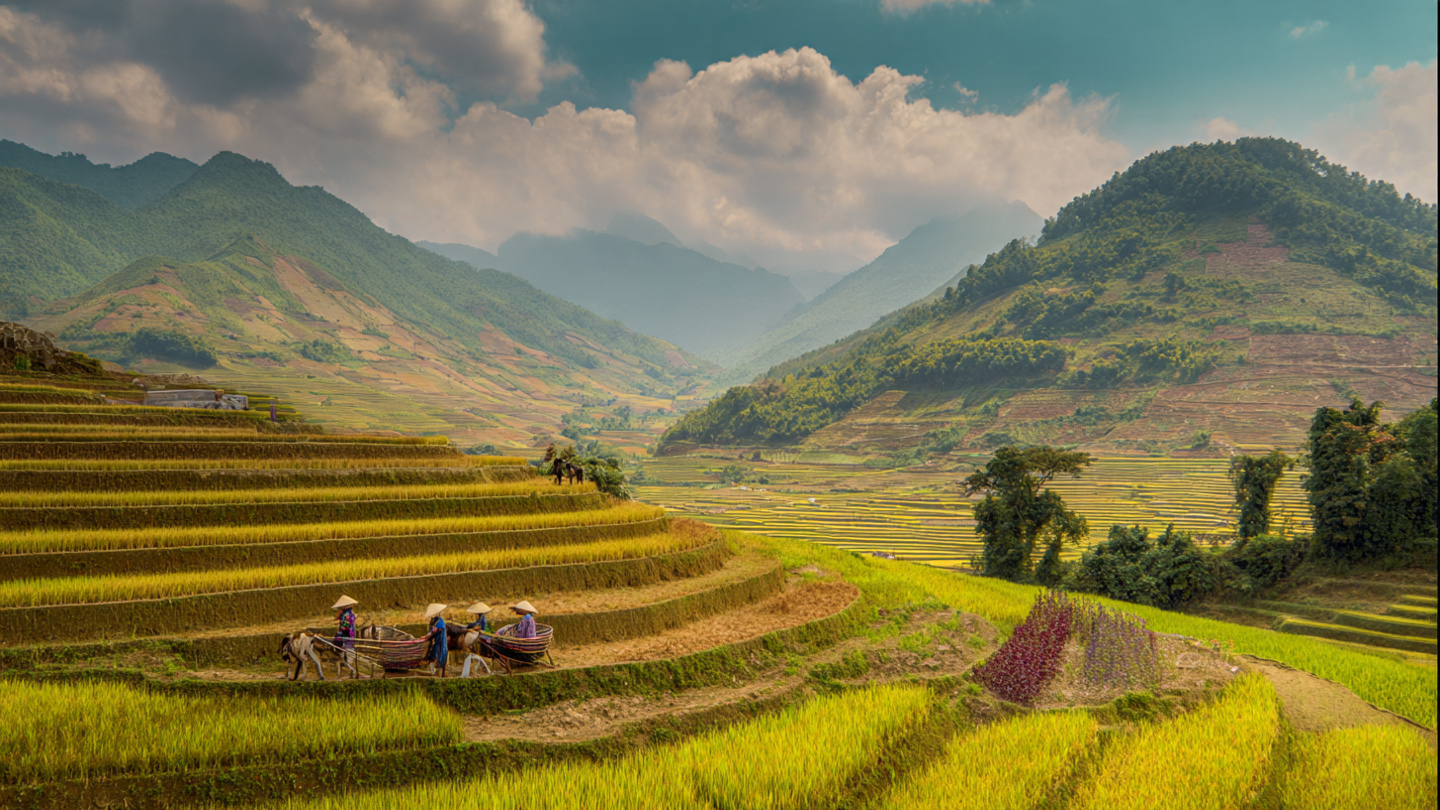

Vietnam stretches long from north to south, and that shape matters. Weather, light, and daily rhythm change noticeably as you move through the country. For travelers, this means there isn’t one single “best” time to visit Vietnam—instead, the experience depends on where you go and how you want your days to feel.
- Why Vietnam’s Regions Feel So Different
- Northern Vietnam: Hanoi, Ha Long Bay, Ninh Binh, Sapa
- Best Time to Visit Northern Vietnam
- Autumn in the North
- Winter in the North
- Spring in the North
- Central Vietnam: Hoi An, Da Nang, Hue, Phong Nha
- Best Time to Visit Central Vietnam
- Late Winter and Spring in Central Vietnam
- Summer in Central Vietnam
- Autumn in Central Vietnam
- Southern Vietnam: Ho Chi Minh City, Mekong Delta, Phu Quoc
- Best Time to Visit Southern Vietnam
- Dry Season in the South
- Wet Season in the South
- How to Plan a Multi-Region Trip
- Choosing the Right Region for Your Travel Style
- Understanding Vietnam’s Daily Rhythm by Season
- A Thoughtful Takeaway
Understanding Vietnam by region helps trips feel smoother and more relaxed. Rather than chasing perfect conditions everywhere, many travelers choose a region that matches their preferred pace and atmosphere, letting the journey unfold naturally.

✨ AI Insight:
As travel planning has become more experience-focused, subtle technology has helped travelers visualize Vietnam’s regional seasons more clearly, making it easier to choose routes that feel comfortable rather than complicated.
Why Vietnam’s Regions Feel So Different
Vietnam’s geography shapes its climate.
Mountains in the north, a long central coastline, and tropical lowlands in the south all influence weather patterns. These differences affect not only temperature and rain, but also how active or calm each region feels at different times of year.
Knowing this helps set realistic expectations.
Northern Vietnam: Hanoi, Ha Long Bay, Ninh Binh, Sapa
Northern Vietnam feels seasonal and expressive.
This region experiences clearer changes throughout the year, which can strongly shape the travel experience.
Best Time to Visit Northern Vietnam
The most comfortable period is generally October to April.
During these months, days feel cooler and clearer, making walking and outdoor exploration more enjoyable. Landscapes feel open, and daily routines are easier to observe without fatigue.
Autumn in the North
Autumn feels especially balanced.
Light is soft, air feels fresh, and cities like Hanoi move at a gentle pace. Nature-focused areas such as Ninh Binh and Ha Long Bay feel calm and reflective.
Many travelers find this season ideal for first visits.
Winter in the North
Winter feels quieter and slower.
Temperatures cool down, especially in mountainous areas like Sapa. The atmosphere becomes more reflective, and travel often feels unhurried.
It suits travelers who enjoy calm and fewer crowds.
Spring in the North
Spring feels fresh and lively.
Nature begins to awaken, and movement returns to the streets. This period often feels optimistic and social without being overwhelming.
It’s a pleasant time for city and countryside balance.
Central Vietnam: Hoi An, Da Nang, Hue, Phong Nha
Central Vietnam feels steady and warm.
The region’s coastline and historic towns create a relaxed rhythm, but timing matters due to seasonal rain patterns.
Best Time to Visit Central Vietnam
The most favorable period is usually February to August.
During these months, days feel bright and open, making walking and coastal exploration comfortable. Towns like Hoi An feel especially welcoming during this window.
Late Winter and Spring in Central Vietnam
This period feels balanced and calm.
Temperatures are comfortable, and daily routines unfold gently. Historic sites and riverside walks feel especially enjoyable.
It’s often considered the most reliable time for this region.
Summer in Central Vietnam
Summer feels bright and energetic.
Days are warmer, but the coastal setting helps maintain balance. Early mornings and evenings often become the most enjoyable times to explore.
This season suits travelers who enjoy long, active days.

Autumn in Central Vietnam
Autumn can feel quieter.
Rain becomes more frequent, and travel pace naturally slows. Some travelers appreciate the softer atmosphere and fewer visitors.
It’s best suited for flexible, unhurried travel styles.
Southern Vietnam: Ho Chi Minh City, Mekong Delta, Phu Quoc
Southern Vietnam feels tropical and steady year-round.
Instead of four seasons, the south moves between drier and wetter periods, with consistent warmth shaping daily life.
Best Time to Visit Southern Vietnam
The most comfortable time is generally December to April.
These months feel drier and slightly cooler, making movement through cities and countryside easier and more relaxed.
Dry Season in the South
The dry season feels social and open.
Ho Chi Minh City feels lively without being exhausting, and the Mekong Delta’s waterways move at a gentle pace. Outdoor routines feel natural.
This period suits first-time visitors well.
Wet Season in the South
The wetter months feel slower and softer.
Rain often comes in short bursts rather than all day. Landscapes become greener, and daily life continues steadily.
Travel during this time often feels quieter and reflective.
How to Plan a Multi-Region Trip
Vietnam trips work best when regions are chosen intentionally.
Rather than trying to see everything at once, many travelers focus on two regions that align seasonally. This keeps travel comfortable and avoids constant adjustment.
Balance creates ease.
Choosing the Right Region for Your Travel Style
Some travelers prefer cooler air and walking-heavy days, while others enjoy warmth and slower movement. Matching region and season to your pace often leads to a more satisfying experience.
There’s no single ideal route.
Understanding Vietnam’s Daily Rhythm by Season
Weather influences routine.
Hotter periods encourage early mornings and calm afternoons. Cooler periods support longer walks and fuller days.
Adapting to local rhythm enhances comfort.
A Thoughtful Takeaway
The best time to visit Vietnam depends on where you go and how you like to travel. Northern Vietnam shines during cooler months, central Vietnam feels best in brighter, drier periods, and southern Vietnam remains welcoming year-round with subtle seasonal shifts.
By choosing regions that match your preferred pace and allowing flexibility in planning, Vietnam becomes less about perfect timing and more about presence. When travel aligns with comfort and rhythm, the country reveals itself naturally—through steady streets, open landscapes, and everyday moments that linger long after the journey ends.