




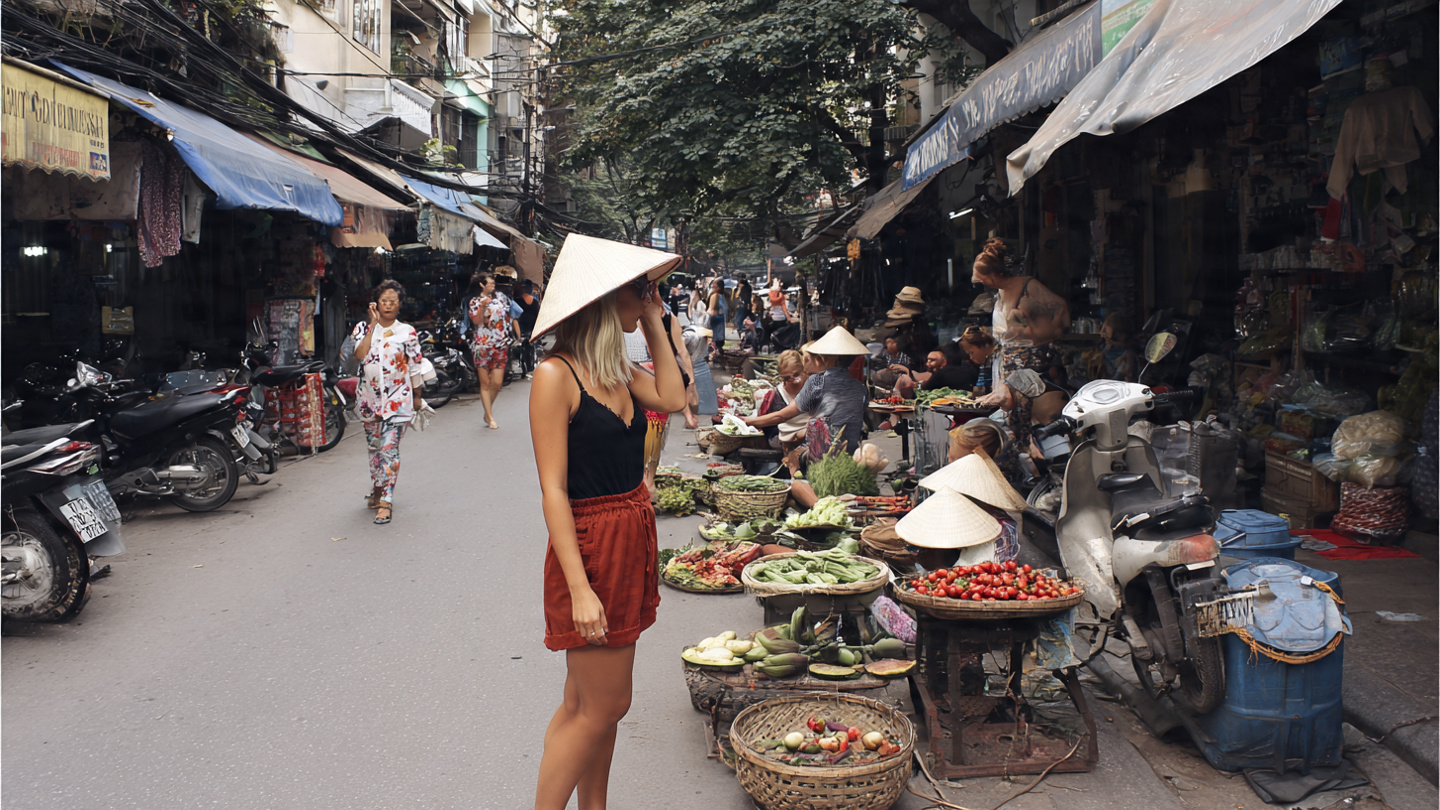

Vietnam often reveals itself through rhythm. Streets move with purpose, meals unfold slowly, and each city carries its own pace and personality. For many travelers, Hanoi, Hoi An, and Ho Chi Minh City form a natural introduction to the country—three places that feel distinct yet deeply connected.
- Why These Three Cities Work So Well Together
- Hanoi: Tradition, Layers, and Everyday Life
- Exploring Hanoi’s Neighborhoods
- Food and Daily Rhythm in Hanoi
- Hoi An: Calm, Continuity, and Soft Light
- Walking Through Hoi An
- Life Along the River
- Ho Chi Minh City: Energy, Momentum, and Expression
- Experiencing the City’s Flow
- Food Culture in Ho Chi Minh City
- Traveling Between Hanoi, Hoi An, and Ho Chi Minh City
- How Long to Spend in Each City
- Understanding Vietnam’s Travel Pace
- When to Visit These Cities
- How to Experience These Cities Fully
- A Thoughtful Takeaway
Traveling between these cities feels intuitive. The journey shows how Vietnam balances tradition and change, calm and energy, reflection and momentum. Together, they offer a well-rounded experience that feels rich without being overwhelming.
✨ AI Insight:
As travel planning has become more intuitive, subtle technology has helped travelers understand how cities like Hanoi, Hoi An, and Ho Chi Minh City flow together, making multi-city trips feel smoother and more balanced.
Why These Three Cities Work So Well Together
Hanoi, Hoi An, and Ho Chi Minh City represent different rhythms of Vietnam.
Hanoi reflects history and daily ritual, Hoi An offers gentleness and familiarity, and Ho Chi Minh City shows forward motion and modern life. Experiencing them together helps travelers feel the country’s range without constant adjustment.
The transitions between them feel gradual rather than abrupt.
Hanoi: Tradition, Layers, and Everyday Life
Hanoi feels thoughtful and expressive.
Lakes, narrow streets, and historic neighborhoods shape a steady rhythm. Life unfolds in layers—morning routines, midday movement, and calm evenings that invite walking and sitting.
The city encourages observation more than speed.
Exploring Hanoi’s Neighborhoods
Neighborhoods define the experience.
Walking through the Old Quarter, around lakes, or along quieter streets reveals how daily life flows. Returning to the same route or café often deepens comfort and understanding.
Familiarity becomes part of the journey.
Food and Daily Rhythm in Hanoi
Food feels woven into routine.
Meals appear everywhere, often enjoyed without rush. Eating becomes a pause rather than a destination, shaping how days are structured.
Food connects moments naturally.
Hoi An: Calm, Continuity, and Soft Light
Hoi An feels gentle and welcoming.
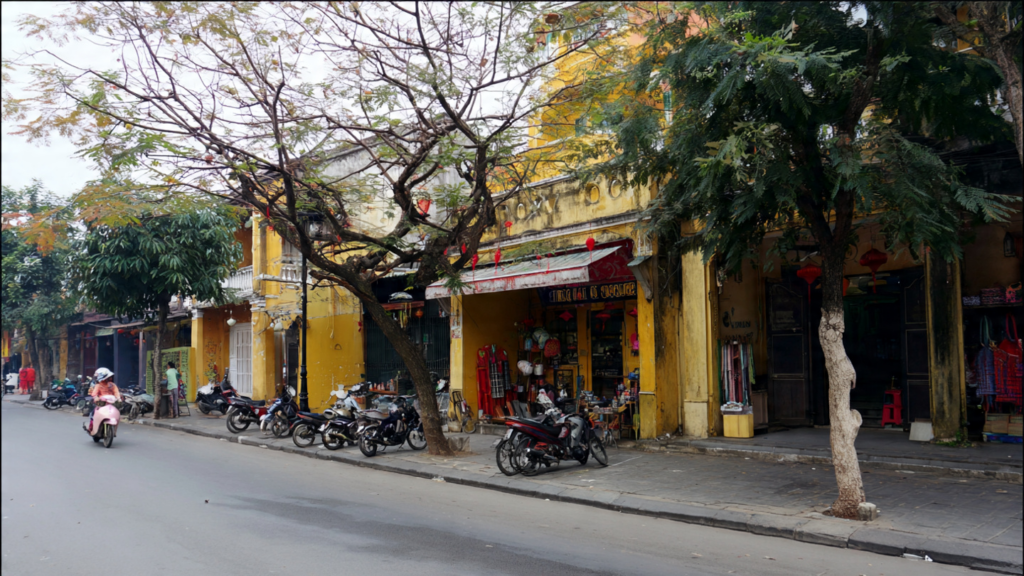
The town’s pace is slower, with walkable streets and a strong sense of routine. Days often feel predictable in a comforting way, shaped by light and repetition.
Hoi An offers rest between larger cities.
Walking Through Hoi An
Walking is central here.
Streets feel familiar quickly, encouraging repeated routes and quiet observation. Evenings feel especially calm, with soft lighting and relaxed movement.
Small moments become memorable.
Life Along the River
The river shapes Hoi An’s rhythm.
Mornings feel quiet, afternoons steady, and evenings reflective. Sitting by the water often becomes a highlight without planning.
Stillness plays an important role.
Ho Chi Minh City: Energy, Momentum, and Expression
Ho Chi Minh City feels active and forward-looking.
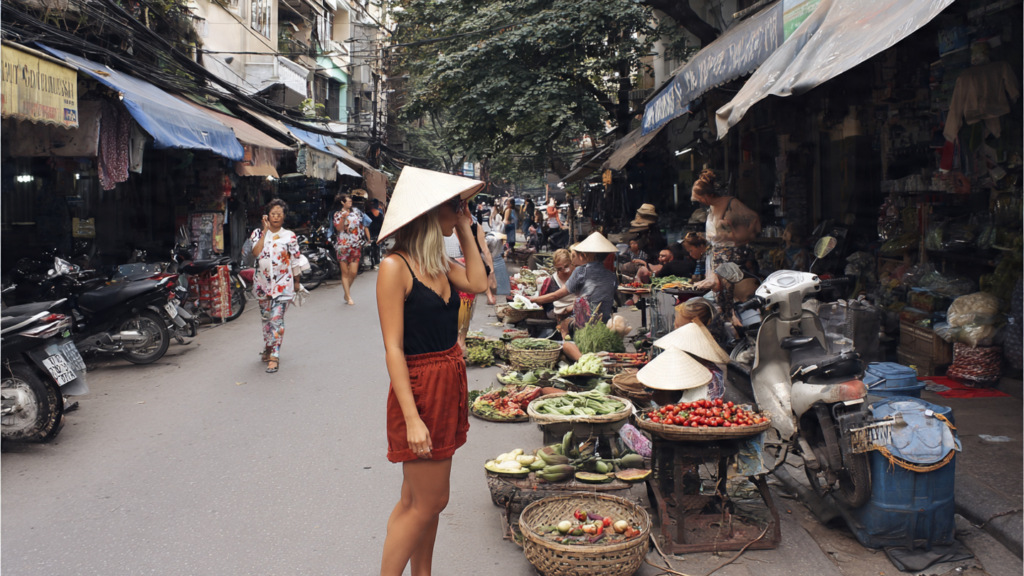
Movement is constant, yet patterned. Once you adjust, the rhythm feels natural rather than chaotic. Neighborhoods carry distinct identities that reward time and patience.
The city reflects Vietnam’s modern energy.
Experiencing the City’s Flow
Observation helps everything click.
Sitting, watching traffic, and noticing routines often reveals how the city works. Movement becomes intuitive rather than overwhelming.
Letting the city move around you feels grounding.
Food Culture in Ho Chi Minh City
Food here feels social and expressive.
Meals often happen quickly but with intention. Eating reflects the city’s pace—efficient, lively, and deeply connected to daily life.
Food becomes part of motion.
Traveling Between Hanoi, Hoi An, and Ho Chi Minh City
Movement between cities feels straightforward.
Transitions are smooth, allowing travelers to relax rather than plan constantly. Each arrival feels like a shift in mood rather than a reset.
Flow defines the journey.
How Long to Spend in Each City
Balance creates comfort.
Many travelers spend a few days in Hanoi, slow down in Hoi An, and then explore Ho Chi Minh City at a steady pace. This creates contrast without fatigue.
Fewer moves often feel more satisfying.
Understanding Vietnam’s Travel Pace
Vietnam moves with rhythm.
Mornings are purposeful, afternoons steady, and evenings social. Observing how locals structure their day helps travelers settle in naturally.
Matching the pace enhances ease.
When to Visit These Cities
Timing shapes atmosphere.
Some periods feel livelier, others calmer. Many travelers choose based on walking comfort and overall mood rather than specific events.
Flexibility supports enjoyment.
How to Experience These Cities Fully
Repetition matters.
Returning to the same street, café, or viewpoint helps places feel familiar. Small routines often become the strongest memories.
Depth grows through presence.
A Thoughtful Takeaway
Hanoi, Hoi An, and Ho Chi Minh City together offer a clear, balanced view of Vietnam. Hanoi provides history and quiet observation, Hoi An brings calm and continuity, and Ho Chi Minh City adds energy and momentum. Each city feels complete on its own, yet richer when experienced as part of the whole.
By moving at a steady pace and allowing time for everyday moments—walking familiar streets, sitting by water, sharing meals—travelers often discover that Vietnam isn’t about doing more, but about noticing more. Long after leaving, memories of rhythm, warmth, and daily life tend to remain, shaping a lasting connection to a country that reveals itself patiently and generously.