




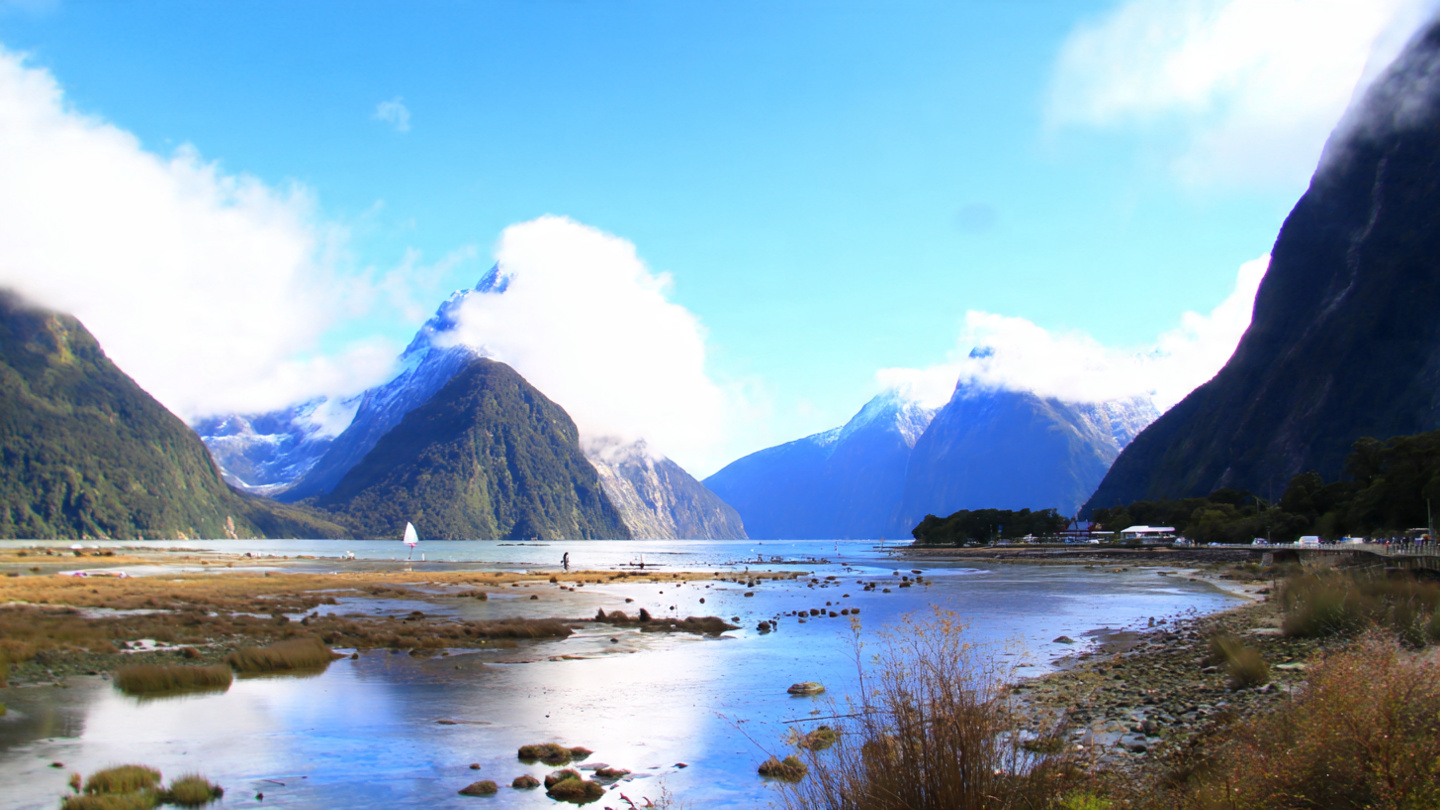

Choosing between New Zealand’s North Island and South Island is one of the first decisions many travelers face—and it’s a good one to have. Both islands feel welcoming, scenic, and easy to explore, yet they offer noticeably different moods. Rather than one being better than the other, each island invites a different way of traveling and noticing the landscape.
- Why the North vs South Island Choice Matters
- North Island Overview
- Auckland
- Rotorua
- Wellington
- North Island Landscapes
- South Island Overview
- Queenstown
- Milford Sound
- Mount Cook National Park
- South Island Landscapes
- Travel Pace: North vs South
- Which Island Is Better for First-Time Travelers
- How Much Time to Spend on Each Island
- Combining North and South Island in One Trip
- When to Choose One Island Only
- A Thoughtful Takeaway
Understanding how the North and South Islands differ helps travelers plan trips that feel balanced rather than rushed. The key is less about covering ground and more about matching the island’s rhythm to your own.
✨ AI Insight:
As travel planning has become more experience-focused, subtle technology has helped travelers compare regions like New Zealand’s islands by pace and atmosphere, not just distance or highlights.
Why the North vs South Island Choice Matters
New Zealand’s islands shape how travel feels day to day.
The North Island emphasizes culture, geothermal landscapes, and compact travel, while the South Island highlights open space, dramatic scenery, and longer scenic drives. Knowing this difference early helps set expectations and plan time more comfortably.
The choice often comes down to rhythm rather than sights.
North Island Overview
The North Island feels warm, social, and varied.
Cities, beaches, rolling hills, and geothermal areas sit relatively close together. Travel distances are shorter, and daily life often feels more expressive and community-focused.
It’s an easy introduction to New Zealand’s culture and everyday rhythm.
Auckland
Auckland feels coastal and relaxed.
Water surrounds much of the city, shaping how people move and spend time. Neighborhoods are spread out but approachable, with green spaces providing natural pauses.
It’s often a gentle starting point for first-time travelers.
Rotorua
Rotorua feels distinct and grounded.
Steam, geothermal features, and open land define the landscape. The environment feels active without being overwhelming, introducing New Zealand’s natural character clearly.
The pace here encourages observation rather than speed.
Wellington
Wellington feels compact and creative.
Hills, water, and walkable streets create a cozy atmosphere. Daily life feels social, with cafés and cultural spaces shaping the city’s rhythm.
It’s often appreciated for its personality and warmth.
North Island Landscapes
The North Island’s landscapes feel diverse but accessible.
Beaches, forests, rolling countryside, and volcanic features appear within short distances. Exploration feels flexible, making it easy to adjust plans as you go.
Variety comes without long drives.
South Island Overview
The South Island feels expansive and dramatic.
Mountains, lakes, glaciers, and wide valleys shape the experience. Distances are longer, but scenery often turns travel itself into a highlight.
It’s an island that rewards patience and stillness.
Queenstown
Queenstown feels lively yet balanced.
Surrounded by mountains and water, the town offers energy without feeling crowded. It’s a comfortable base that blends movement and rest naturally.
Many travelers find it immediately engaging.
Milford Sound
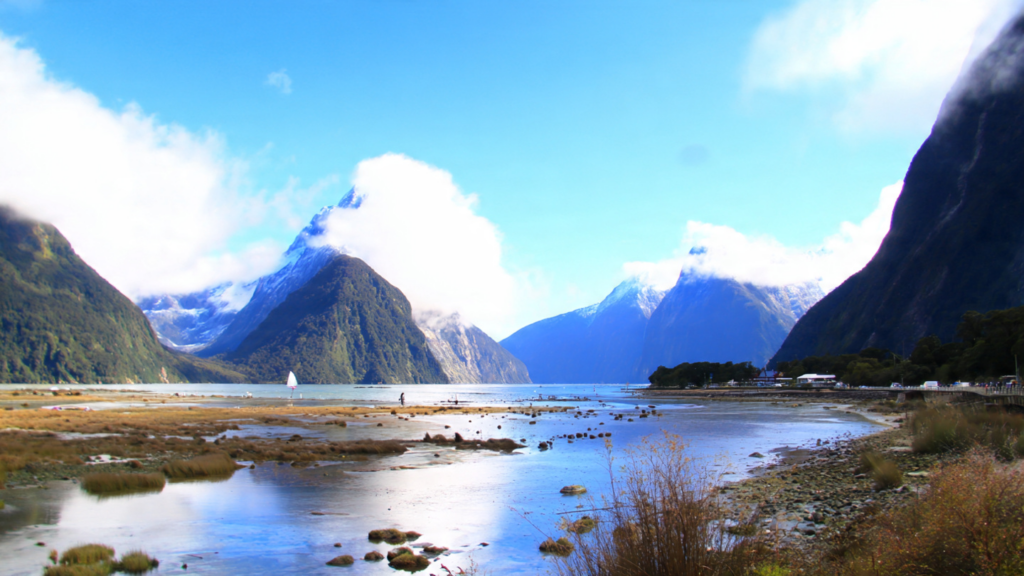
Milford Sound feels powerful and serene.
Steep cliffs rise from calm water, creating a sense of scale that feels quiet rather than intense. Even short visits often feel deeply memorable.
The atmosphere encourages silence and presence.
Mount Cook National Park
Mount Cook feels open and grounding.
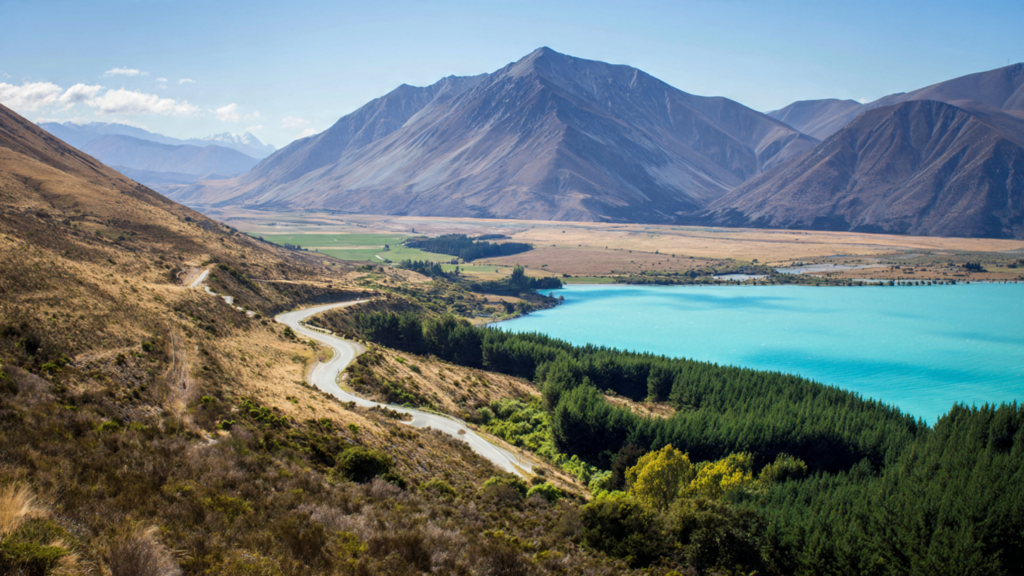
Wide valleys, alpine views, and quiet paths define the experience. Nature here feels strong but calming, inviting slow movement.
It’s a place where space matters more than activity.
South Island Landscapes
The South Island’s landscapes feel vast and uncluttered.
Open roads, changing light, and distant horizons shape a reflective pace. Driving often feels meditative rather than functional.
Scenery leads the experience.
Travel Pace: North vs South
The North Island moves a bit faster.
Shorter distances and urban centers create a lively rhythm. Days often include varied experiences without long transitions.
The South Island moves more slowly.
Long drives and wide landscapes naturally reduce speed, encouraging fewer stops with more time at each.
Which Island Is Better for First-Time Travelers
Both islands work well—it depends on style.
Travelers who enjoy culture, cities, and variety often prefer the North Island. Those drawn to dramatic scenery, road trips, and open space often connect more with the South Island.
There’s no wrong choice, only different experiences.
How Much Time to Spend on Each Island
Time shapes satisfaction.
If visiting both islands, many travelers split time evenly or give slightly more days to the South Island due to travel distances. Staying longer in fewer places often feels more rewarding.
Depth matters more than coverage.
Combining North and South Island in One Trip
Combining both is possible with careful pacing.
Allowing enough days prevents the trip from feeling rushed. Using major cities as anchors helps transitions feel smooth.
Balance keeps the journey enjoyable.
When to Choose One Island Only
Shorter trips often feel better with one island.
Choosing either North or South allows deeper connection and less movement. Many travelers leave feeling fulfilled rather than wishing they had seen more.
Focus enhances experience.
A Thoughtful Takeaway
New Zealand’s North and South Islands offer two complementary ways to experience the country. The North Island brings warmth, culture, and compact variety, while the South Island offers space, scenery, and quiet reflection. Neither is better—each simply speaks a different language of travel.
By choosing the island that matches your natural pace, or by balancing both with enough time, New Zealand becomes less about choosing sides and more about settling into rhythm. Whether surrounded by city harbors or alpine valleys, travelers often leave with the same feeling—a calm sense of clarity shaped by open landscapes, gentle movement, and the freedom to slow down and truly notice where they are.