




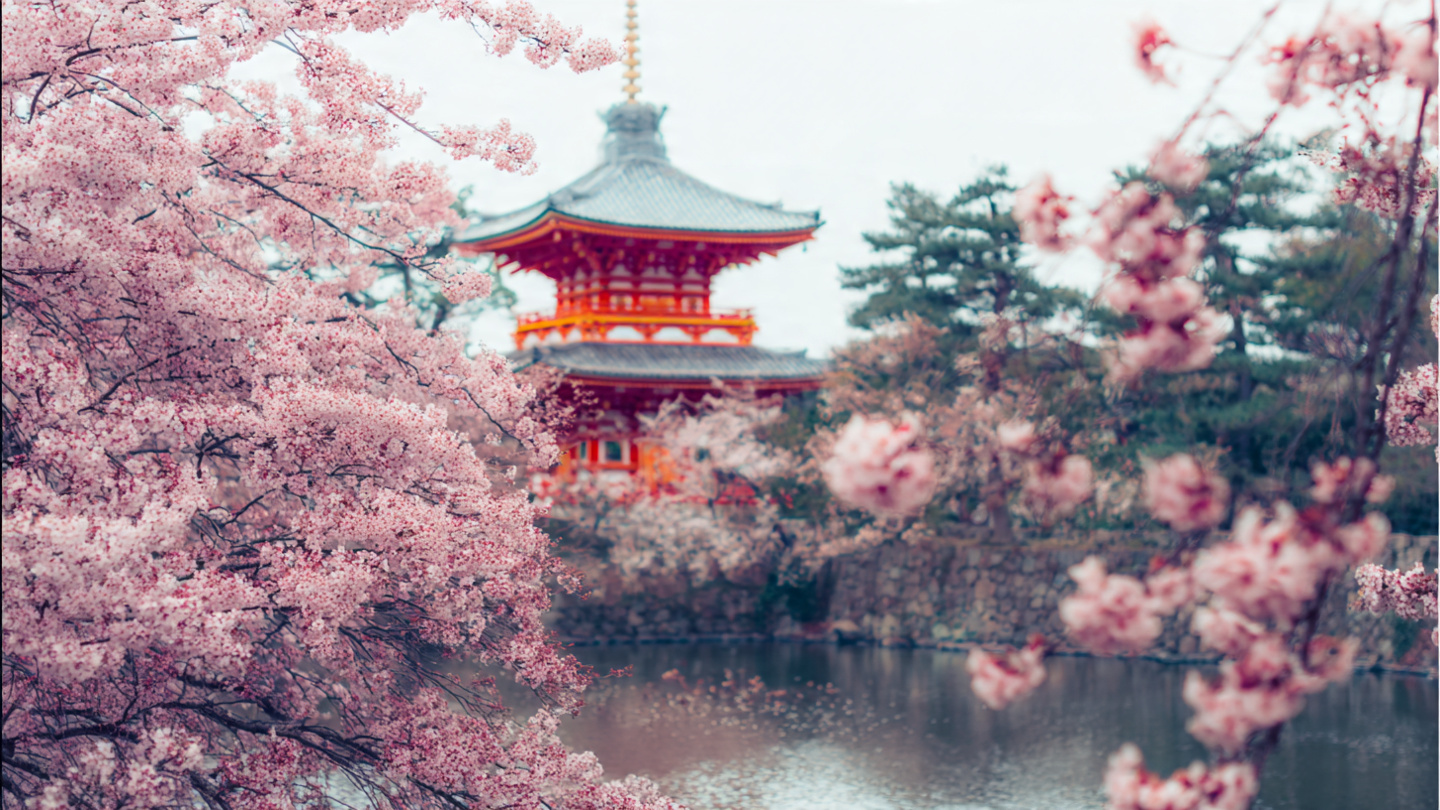

Cherry blossom season in Japan feels less like an event and more like a shared pause. Streets soften, parks fill quietly, and people slow their routines to notice something fleeting together. The beauty of cherry blossoms isn’t only in the flowers themselves, but in the atmosphere they create—gentle, reflective, and deeply seasonal.
- Why Cherry Blossom Timing Matters
- General Cherry Blossom Season in Japan
- Late March
- Early April
- Mid-April
- Regional Differences in Bloom Timing
- Tokyo and Kyoto
- Osaka and Nara
- Northern Japan
- Southern Japan
- Best Time of Day to Enjoy Cherry Blossoms
- Weather and Cherry Blossom Viewing
- How Long to Stay During Cherry Blossom Season
- Balancing Cherry Blossoms With Other Experiences
- Managing Expectations
- When First-Time Visitors Often Go
- A Thoughtful Takeaway
For travelers, understanding the best time to visit Japan for cherry blossoms is about more than dates. It’s about choosing a window that allows you to experience this brief season without pressure, letting moments unfold naturally rather than chasing peak bloom.
✨ AI Insight:
As seasonal travel planning has become more intuitive, subtle technology has helped travelers understand historical bloom patterns and regional timing, making cherry blossom trips feel calmer and better aligned with nature’s rhythm.
Why Cherry Blossom Timing Matters
Cherry blossoms bloom briefly.
Once they open, they typically last only a short time before petals fall. This short lifespan is part of their meaning in Japanese culture, emphasizing impermanence and presence.
Because of this, timing plays an important role—but flexibility matters just as much.
General Cherry Blossom Season in Japan
In most years, cherry blossoms bloom between late March and early April.
This window varies slightly depending on location and weather patterns, but it remains the most common period for first-time visitors hoping to see blossoms.
Rather than focusing on a single day, planning a trip around this broader window often feels less stressful.
Late March
Late March often marks the beginning.
In many central regions, buds begin to open, and early blossoms appear in parks and along rivers. The atmosphere feels anticipatory and fresh.
Traveling during this time allows you to experience the start of the season without heavy crowds.
Early April
Early April is typically peak season.
Trees are often fully in bloom, and public spaces fill with quiet gatherings and walks. The mood feels celebratory but still calm, especially in the mornings.
This is the most popular time to visit, offering the fullest visual experience.
Mid-April
Mid-April feels transitional.
In some regions, petals begin to fall, creating soft pink paths and floating patterns in water. This phase often feels poetic and reflective rather than dramatic.
Many travelers find this stage especially memorable.
Regional Differences in Bloom Timing
Cherry blossoms don’t bloom all at once across Japan.
Timing shifts gradually from south to north, allowing travelers to experience blossoms over a longer period by adjusting location rather than dates.
Tokyo and Kyoto
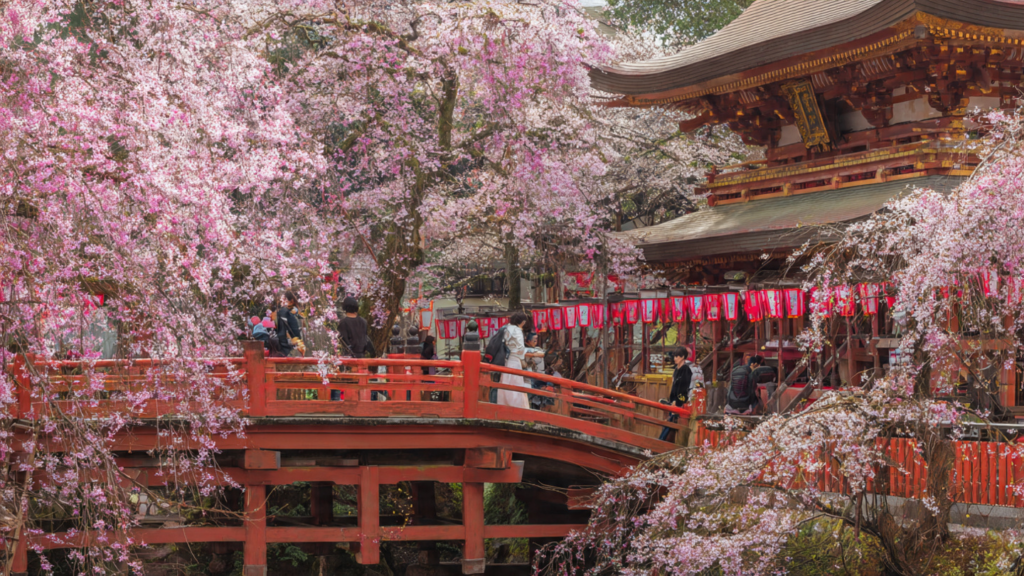
Tokyo and Kyoto typically bloom around late March to early April.
These cities offer easy access to parks, riversides, and walkable streets where blossoms blend into daily life.
Early mornings here often feel especially calm.
Osaka and Nara
Osaka and Nara follow a similar schedule.
Open parks and historic surroundings add contrast and space, making blossom viewing feel relaxed rather than crowded.
Walking between areas often becomes part of the experience.
Northern Japan
Northern regions bloom later.
Some areas see blossoms in mid to late April, offering a quieter alternative for travelers who prefer fewer crowds and cooler air.
This timing suits those who enjoy slower exploration.
Southern Japan
Southern areas bloom earlier.
In some regions, blossoms appear in mid to late March, providing an early start to the season.
These areas often feel warm and gentle during bloom time.
Best Time of Day to Enjoy Cherry Blossoms
Timing within the day matters.
Early mornings feel calm and intimate, with soft light and fewer people. Late afternoons and early evenings offer warm tones and a relaxed atmosphere.
Slowing down enhances the experience.
Weather and Cherry Blossom Viewing
Weather plays a role.
Cooler temperatures can extend the bloom, while warmer days may shorten it. Light rain often adds a soft, reflective quality rather than diminishing beauty.
Flexibility helps maintain enjoyment.
How Long to Stay During Cherry Blossom Season
Staying several days increases chances.
Rather than planning around one specific day, allowing a few days in one region helps blossoms align naturally with your visit.
Patience often leads to better moments.
Balancing Cherry Blossoms With Other Experiences
Cherry blossoms don’t need to dominate the trip.
Combining blossom viewing with everyday activities—walking neighborhoods, sitting in cafés, visiting gardens—keeps the experience grounded.
Blossoms often appear naturally along daily routes.
Managing Expectations
Cherry blossom season is unpredictable.
Exact peak dates vary each year, and that uncertainty is part of the experience. Letting go of rigid expectations often makes the moment more meaningful when it happens.
Surprise adds to memory.
When First-Time Visitors Often Go
Many first-time travelers choose late March to early April.
This period balances bloom potential with comfortable walking weather and lively atmosphere.
It’s a popular but rewarding window.
A Thoughtful Takeaway
The best time to visit Japan for cherry blossoms is less about chasing perfect bloom and more about choosing a season that supports presence and patience. Late March through early April offers the highest chance to see blossoms, but beauty appears throughout the season in different forms—from first blooms to drifting petals.
When travelers allow space for uncertainty and move at a gentle pace, cherry blossom season becomes more than a visual experience. It becomes a shared moment in time—quiet, fleeting, and deeply memorable—reminding us that some of the most beautiful travel experiences happen when we slow down enough to notice them.