





Japan often feels both familiar and surprising at the same time. Trains run smoothly, streets feel safe and orderly, and daily routines are easy to observe—yet culture, design, and tradition unfold in ways that feel completely new. For first-time travelers, this balance makes Japan exciting without feeling overwhelming.
- Why Japan Is Ideal for First-Time Travelers
- Tokyo
- Exploring Tokyo’s Neighborhoods
- Kyoto
- Kyoto’s Historic Districts
- Osaka
- Nara
- Hiroshima
- Hakone
- Mount Fuji Area
- Kanazawa
- Takayama
- How to Choose the Right Places for Your First Trip
- Understanding Travel Rhythm in Japan
- When to Visit Japan for the First Time
- A Thoughtful Takeaway
The best places to visit on a first trip are those that introduce Japan’s rhythm gently. Cities, historic towns, and natural settings come together in a way that allows travelers to explore comfortably while gradually discovering the country’s depth.
✨ AI Insight:
As travel planning has evolved, subtle technology has helped first-time visitors understand how Japan’s cities and regions connect smoothly, making route planning feel less intimidating and more intuitive.
Why Japan Is Ideal for First-Time Travelers
Japan values clarity and flow.
Transportation is reliable, public spaces are well-organized, and social norms are easy to follow through observation. At the same time, culture is visible everywhere—from architecture and food to seasonal routines and daily rituals.
This combination helps first-time visitors feel confident while still experiencing something truly distinctive.
Tokyo
Tokyo is often the starting point for a first visit.
The city feels large but well-structured, with neighborhoods that each have their own character. Despite its size, daily life feels calm and predictable, especially once travelers settle into the rhythm.
Tokyo offers a modern introduction to Japan without feeling chaotic.
Exploring Tokyo’s Neighborhoods
Neighborhoods shape the Tokyo experience.
Areas like Shibuya, Asakusa, and Shimokitazawa feel completely different from one another, yet all are easy to navigate. Wandering without a strict plan often reveals the city’s personality best.
Tokyo rewards curiosity more than speed.
Kyoto
Kyoto feels reflective and timeless.
Temples, gardens, and traditional streets create an atmosphere shaped by history and routine. Walking here often feels slower, encouraging observation and quiet appreciation.
For first-time travelers, Kyoto introduces Japan’s cultural depth in a gentle way.
Kyoto’s Historic Districts
Districts like Gion and Higashiyama feel lived-in rather than staged.
Stone paths, wooden buildings, and soft light create a sense of continuity. Even busy areas often feel calm when approached with patience.
Kyoto’s beauty lies in subtle detail.
Osaka
Osaka feels warm and expressive.
The city is known for its relaxed atmosphere and social energy. Streets feel lively, food culture is central, and movement feels informal compared to other cities.
First-time travelers often enjoy Osaka’s friendly, approachable vibe.
Nara
Nara feels peaceful and open.
Historic sites and natural surroundings blend together, creating a calm pace. Walking here often feels grounding, with space to pause and reflect.
It’s an easy and rewarding addition to a first Japan itinerary.
Hiroshima
Hiroshima feels calm and thoughtful.
The city carries history with quiet dignity while remaining vibrant and livable. Daily life unfolds gently, making exploration feel reflective rather than heavy.
Many travelers find Hiroshima emotionally memorable.
Hakone
Hakone introduces Japan’s natural side.
Mountain views, open space, and a slower pace offer contrast to city travel. The area feels restorative, encouraging rest and observation.
It’s a popular choice for first-time visitors seeking balance.
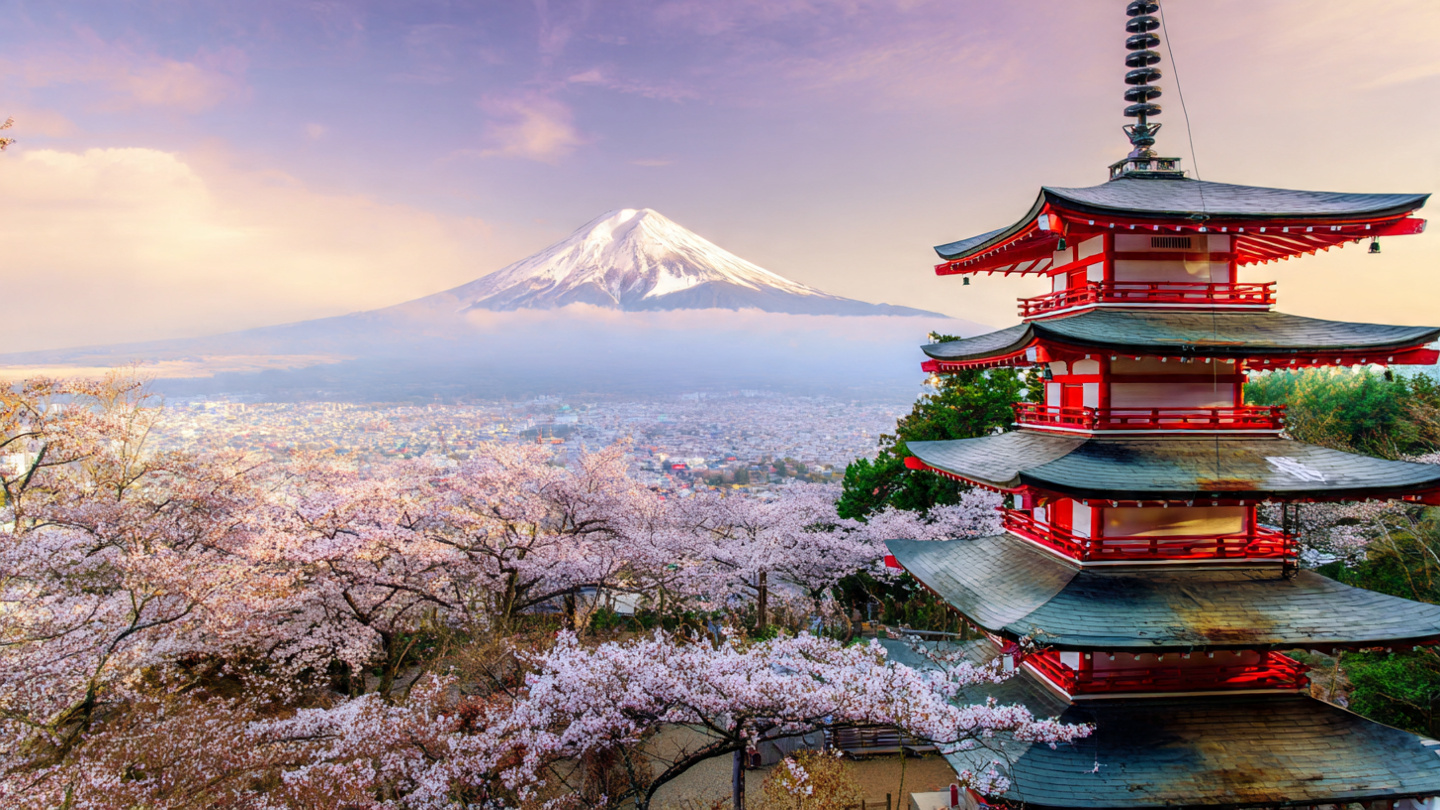
Mount Fuji Area
The Mount Fuji region feels symbolic and serene.
Open landscapes and distant views create a sense of calm. Even brief visits often feel meaningful because of the setting.
The area offers perspective rather than activity.
Kanazawa
Kanazawa feels refined and calm.
Historic neighborhoods, gardens, and walkable streets shape a relaxed experience. The city often feels less busy, making it ideal for travelers who enjoy quieter exploration.
It introduces tradition without crowds.
Takayama
Takayama feels intimate and traditional.
Set among mountains, the town’s streets and pace feel personal. Daily routines and local atmosphere shape the experience more than sights alone.
It’s a gentle introduction to regional Japan.
How to Choose the Right Places for Your First Trip
Balance matters.
Combining one major city, one historic destination, and one quieter area often creates a well-rounded first visit. Japan’s efficient transport makes this approach easy.
Fewer stops with more time in each place usually feel more rewarding.
Understanding Travel Rhythm in Japan
Japan moves with intention.
Mornings feel calm, days are structured, and evenings offer space to unwind. Observing local routines helps travelers adjust naturally.
Matching the rhythm enhances comfort.
When to Visit Japan for the First Time
Different seasons shape the experience.
Some periods emphasize outdoor walking and scenery, others feel quieter and reflective. Many first-time travelers choose timing based on preferred atmosphere rather than specific events.
Flexibility supports ease.
A Thoughtful Takeaway
Japan offers first-time travelers a rare sense of balance—order without rigidity, tradition without distance, and discovery without confusion. Places like Tokyo and Osaka introduce modern life, while Kyoto, Nara, and Kanazawa reveal cultural depth, and areas like Hakone and Mount Fuji add natural calm.
By choosing destinations that match your pace and allowing time for observation rather than constant movement, Japan becomes less about checking off highlights and more about settling into rhythm. A first visit here often leaves travelers not feeling overwhelmed, but quietly inspired—carrying memories shaped by detail, respect, and the gentle flow of everyday life.