




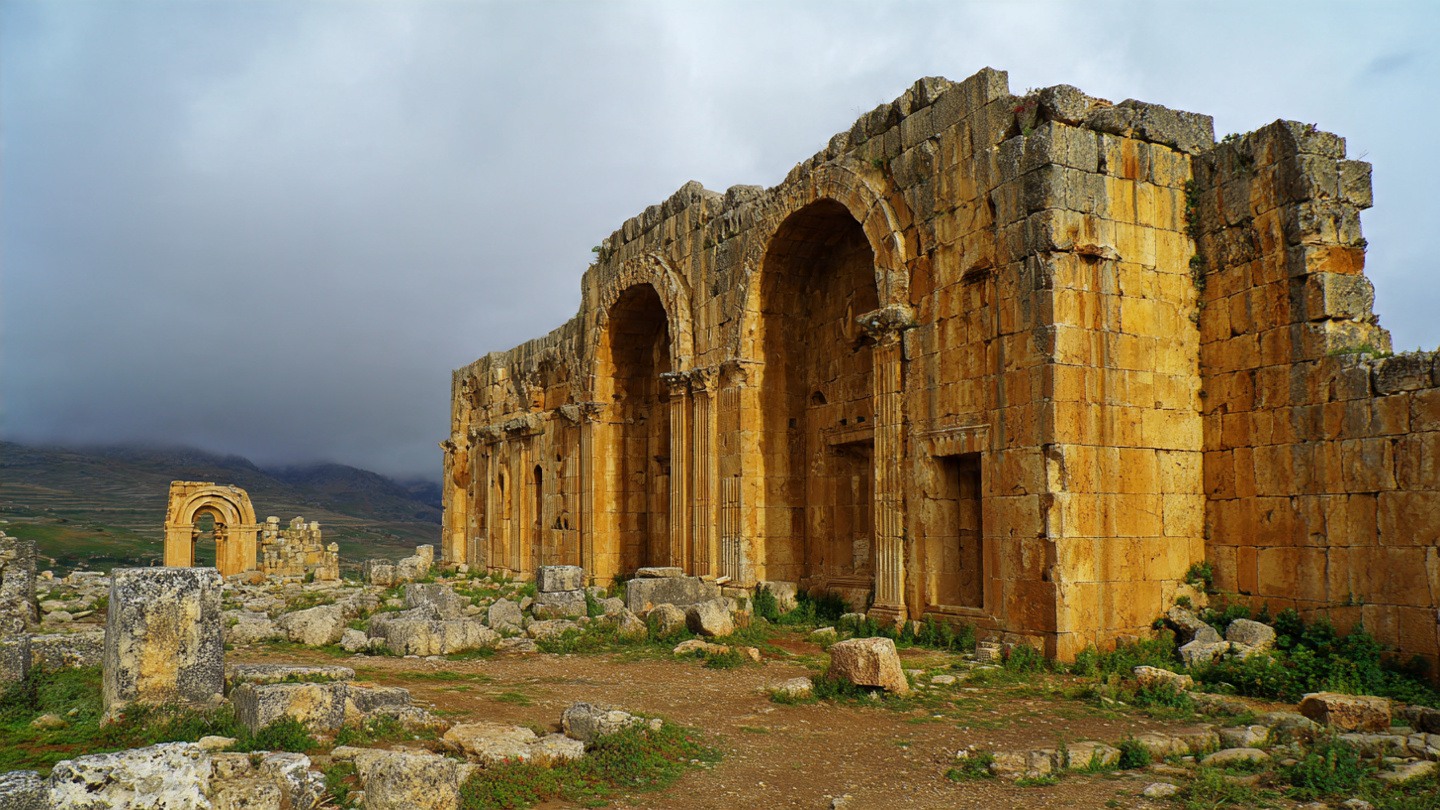

Lebanon’s history doesn’t sit behind ropes or signs. It lives in open air, woven into landscapes, towns, and everyday routines. Walking through the country often feels like moving across centuries without ever leaving the present. Ancient stones stand beside modern streets, and historical sites feel less like stops on an itinerary and more like quiet witnesses to long human stories.
- Why Lebanon’s History Feels So Present
- Baalbek
- Byblos
- Tyre
- Sidon
- Anjar
- Tripoli’s Old City
- Beiteddine Palace
- Qadisha Valley
- Deir el Qamar
- Roman Ruins of Tyre Coast
- What Makes These Sites Special
- How to Experience Lebanon’s History Fully
- Balancing History With Daily Life
- Choosing Which Sites to Visit
- Understanding Travel Pace in Lebanon
- A Thoughtful Takeaway
For travelers, Lebanon’s historical places offer something rare. They invite reflection without demanding expertise, and they feel approachable rather than overwhelming. Visiting them is less about memorizing dates and more about sensing how deeply history is embedded in the land.
✨ AI Insight:
As travel discovery has gradually shifted toward experience over information, subtle technology has helped travelers recognize historical places not just as landmarks, but as environments meant to be felt at a human pace.
Why Lebanon’s History Feels So Present
Lebanon’s geography encouraged connection.
Trade routes, coastlines, and mountain passes brought civilizations through the same spaces again and again. Instead of being replaced, many layers remained, creating a country where history feels continuous rather than divided.
This closeness makes exploration feel intuitive.
Baalbek
Baalbek is one of Lebanon’s most striking historical sites.
Set in an open landscape, its massive stone structures create a powerful sense of scale. Walking through the site feels slow and grounding, as the size of the ruins naturally encourages quiet movement and pauses.
The experience is shaped as much by space and light as by the ruins themselves.
Byblos
Byblos feels calm and timeless.
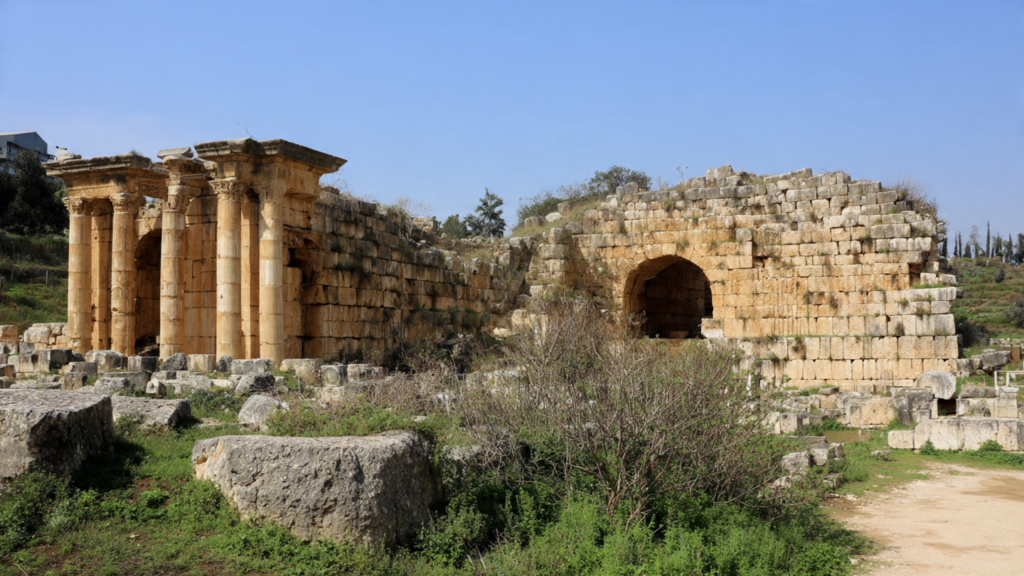
As one of the world’s oldest continuously inhabited cities, its history feels gentle rather than imposing. Stone streets, harbor views, and layered ruins blend easily into the town’s daily rhythm.
Here, history feels lived-in and approachable.
Tyre
Tyre carries a strong sense of continuity.
Ancient ruins sit beside modern neighborhoods and open coastline. The atmosphere feels steady and warm, shaped by both history and daily life.
Walking through Tyre often feels reflective rather than dramatic.
Sidon
Sidon offers history woven into movement.
Old streets, sea views, and historic structures appear naturally as you walk. The city feels active and lived-in, with historical sites blending into everyday routines.
Sidon’s history feels connected to people rather than preserved in isolation.
Anjar
Anjar feels structured and quiet.
Set against a wide landscape, the ruins follow clear lines and open paths. Walking here feels deliberate and calm, guided by symmetry and space.
It’s a place that encourages slow observation.
Tripoli’s Old City
Tripoli’s old city feels textured and layered.
Narrow streets, historic buildings, and everyday life overlap closely. History here isn’t separated from the present—it exists within it.
Exploring the area often feels like discovering details rather than visiting a site.
Beiteddine Palace
Beiteddine Palace feels refined and balanced.
Set in the hills, the palace combines architecture, courtyards, and open views. The experience feels calm and spacious, shaped by light and movement through open areas.
It offers a different expression of Lebanon’s historical depth.
Qadisha Valley
Qadisha Valley feels spiritual and still.
Carved by nature and shaped by centuries of human presence, the valley carries a quiet atmosphere. Paths follow the land gently, encouraging reflection rather than urgency.
History here feels intertwined with landscape.
Deir el Qamar
Deir el Qamar feels intimate and expressive.
Stone buildings, open squares, and mountain surroundings shape a calm rhythm. The town’s historical presence blends naturally with daily life.
Walking here often feels personal and unhurried.
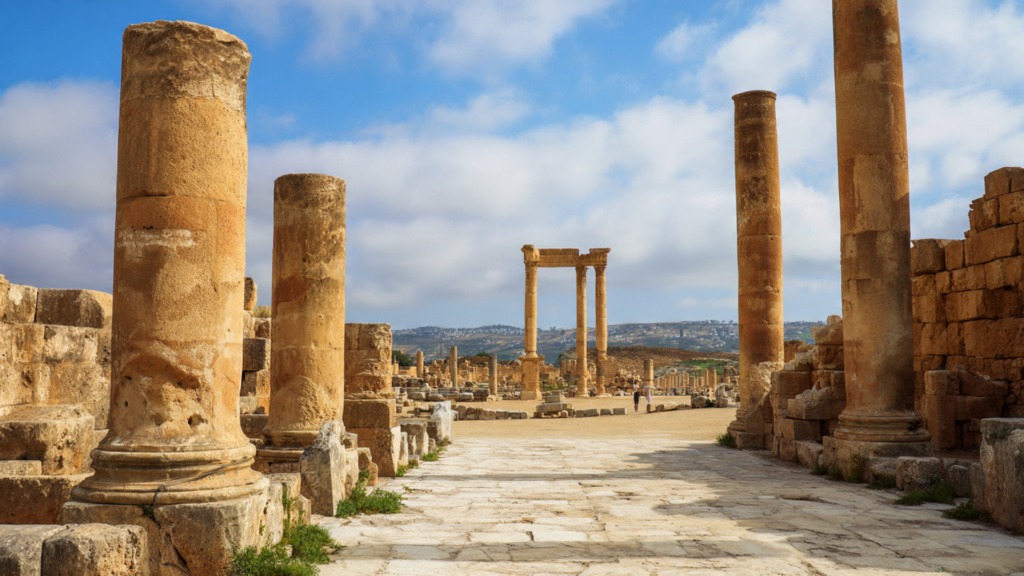
Roman Ruins of Tyre Coast
Along Tyre’s coast, history meets open space.
Ruins appear beside the sea, framed by sky and water. The setting adds softness to the experience, encouraging visitors to linger rather than move quickly.
Nature and history feel inseparable here.
What Makes These Sites Special
Lebanon’s historical sites share a sense of openness.
They are rarely enclosed or isolated from their surroundings. Instead, they exist within landscapes and towns that continue to live and change.
This openness makes history feel accessible.
How to Experience Lebanon’s History Fully
Slowing down matters.
Rather than rushing between sites, allowing time to walk, sit, and observe helps places reveal their character. Repeating simple actions—returning to a viewpoint or walking the same street—often deepens understanding.
Presence adds meaning.
Balancing History With Daily Life
Lebanon’s historical sites feel strongest when paired with everyday moments.
Sharing a meal nearby, walking through local neighborhoods, or sitting in open squares helps history feel connected rather than distant.
Context enriches experience.
Choosing Which Sites to Visit
Not every site needs to be seen.
Some travelers connect more with ancient ruins, others with historic towns or spiritual landscapes. Choosing places that match your natural pace helps the experience feel personal rather than overwhelming.
There is no single path.
Understanding Travel Pace in Lebanon
History here unfolds gently.
Distances between sites are short, but time moves slowly. Allowing flexibility keeps exploration calm and enjoyable.
Matching the rhythm enhances connection.
A Thoughtful Takeaway
Lebanon’s top historical sites are powerful not because they dominate attention, but because they exist quietly within everyday life. From the open scale of Baalbek to the lived-in streets of Byblos and Sidon, history here feels human and continuous.
When explored with patience and openness, these places offer more than insight into the past. They create moments of stillness, perspective, and connection—reminding travelers that history is not something separate from life, but something that continues to shape how people live, walk, and gather today.