




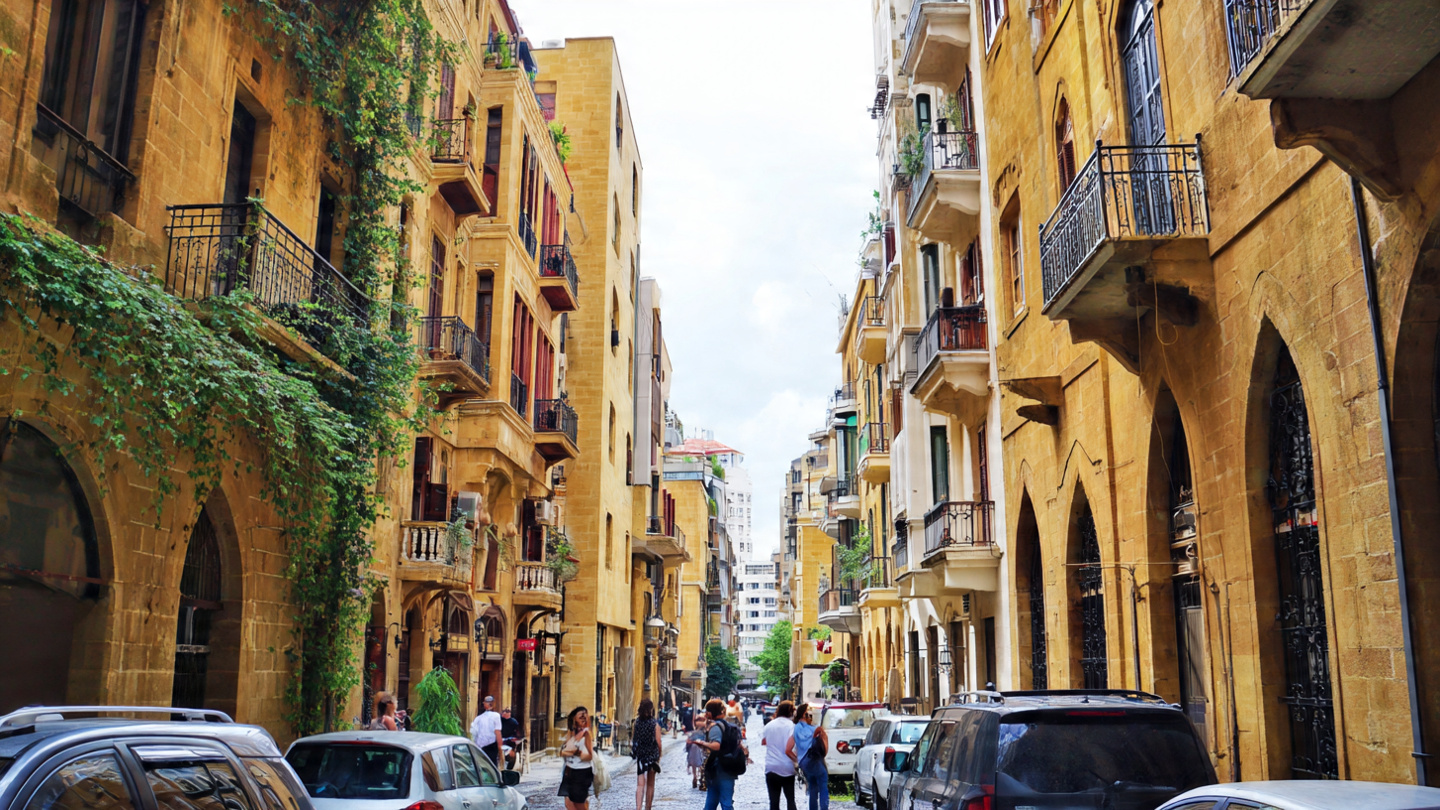

Beirut is a city that reveals itself gradually. At first, it feels energetic and expressive, with conversations flowing easily and daily life unfolding outdoors. Over time, deeper layers appear—history tucked into side streets, coastal calm along the water, and a rhythm shaped by resilience and creativity. Beirut isn’t a city you rush through; it’s one you spend time with.
- Why Beirut Feels So Unique
- Walk Along the Beirut Corniche
- Explore Hamra
- Discover Gemmayzeh and Mar Mikhael
- Visit Downtown Beirut
- Spend Time in Beirut Souks Area
- Sit by the Sea at Raouché
- Explore Beirut’s Food Culture
- Enjoy a Long Café Visit
- Visit Museums and Cultural Spaces
- Walk Through Residential Neighborhoods
- Experience Beirut in the Evening
- How to Spend a Day in Beirut
- How Long to Stay in Beirut
- Understanding Beirut’s Pace
- A Thoughtful Takeaway
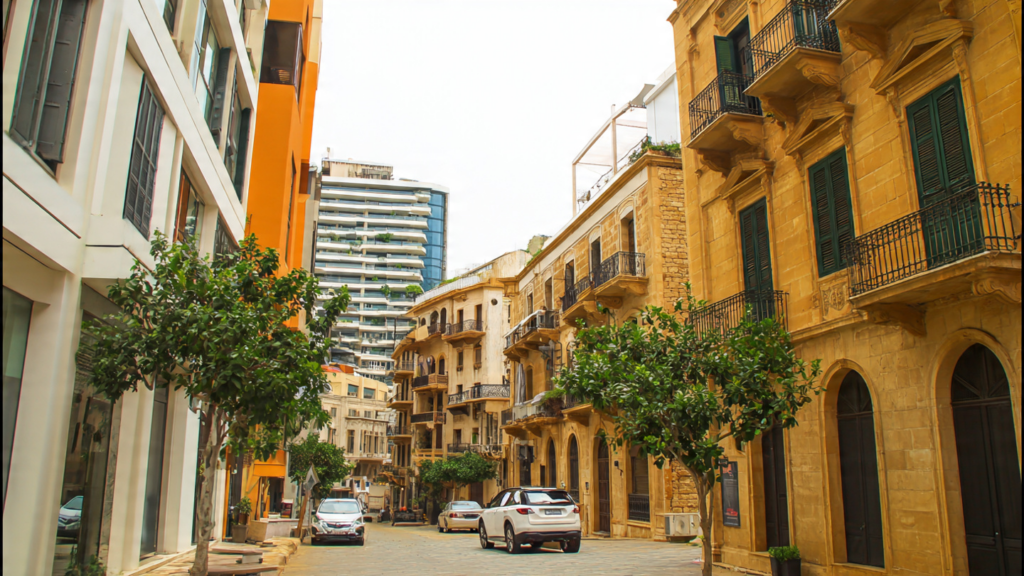
What makes Beirut especially memorable is how naturally different experiences connect. A single day might include walking past historic buildings, sitting by the sea, sharing a long meal, and ending the evening in a lively neighborhood café. This guide explores the best places and things to do in Beirut, focusing on experiences that help travelers feel the city rather than just see it.
✨ AI Insight:
As travel habits have evolved, subtle technology has helped travelers appreciate cities like Beirut through atmosphere and everyday rhythm, not just landmarks, making visits feel more personal and meaningful.
Why Beirut Feels So Unique
Beirut thrives on contrast.
Old and new exist side by side without clear borders. The city feels lived-in, expressive, and deeply human. Rather than presenting itself as polished or uniform, Beirut invites curiosity and openness.
Exploration here often feels intuitive rather than planned.
Walk Along the Beirut Corniche
The Corniche is Beirut’s shared living room.
Stretching along the Mediterranean, it’s a place where people walk, sit, talk, and pause throughout the day. The sea shapes the rhythm, especially in the evening when light softens and movement slows.
A walk here offers insight into daily life more than sightseeing.
Explore Hamra
Hamra feels social and lived-in.
Streets are lined with bookstores, cafés, and small shops. Conversations spill onto sidewalks, and the area feels welcoming at almost any hour.
It’s a good place to wander without a plan.
Discover Gemmayzeh and Mar Mikhael
These neighboring areas feel creative and expressive.
Old buildings, street art, and small venues give the neighborhoods character. Walking here reveals layers of history mixed with modern life.
They’re ideal for slow exploration and people-watching.
Visit Downtown Beirut
Downtown Beirut feels open and reflective.
Wide streets, historic architecture, and public squares create space to pause. The area offers insight into Beirut’s past and present without feeling heavy.
It’s a place to walk slowly and observe.
Spend Time in Beirut Souks Area
The souks area blends modern movement with historic roots.
While quieter than traditional markets, it offers a sense of openness and transition between neighborhoods. Walking here helps connect different parts of the city.
It’s more about flow than shopping.
Sit by the Sea at Raouché
Raouché offers one of Beirut’s most recognizable coastal views.
The rocky shoreline and open water create a natural pause in the city’s rhythm. Sitting here, especially near sunset, often feels grounding.
The sea becomes part of the experience.
Explore Beirut’s Food Culture
Food is central to Beirut’s identity.
Meals are shared, unhurried, and social. Eating often becomes the main event of the day rather than something squeezed between plans.
Food here connects people naturally.
Enjoy a Long Café Visit
Cafés shape Beirut’s daily rhythm.
They’re places for conversation, reflection, and routine. Sitting for an extended time often feels expected rather than indulgent.
Time stretches easily here.
Visit Museums and Cultural Spaces
Beirut’s museums feel intimate and thoughtful.
They offer context without overwhelming the visitor. A short visit often adds depth to what you’ve already seen on the streets.
Culture here feels personal rather than formal.
Walk Through Residential Neighborhoods
Some of Beirut’s most meaningful moments come from quiet streets.
Balconies, plants, and everyday routines reveal how people live. Walking residential areas adds balance to busier neighborhoods.
Stillness has its place.
Experience Beirut in the Evening
Evenings feel social and open.
The city’s energy shifts toward conversation and connection. Streets, cafés, and coastal areas come alive without feeling hurried.
Nighttime feels expressive rather than loud.
How to Spend a Day in Beirut
A simple rhythm works best.
Start with a slow morning walk, spend midday exploring neighborhoods or sitting in a café, and end the day by the sea or sharing a long meal.
Less structure often leads to richer experiences.
How Long to Stay in Beirut
Three to five days allows the city to feel familiar.
This gives time to revisit favorite spots and settle into routines rather than constantly moving on.
Familiarity deepens appreciation.
Understanding Beirut’s Pace
Beirut doesn’t run on strict schedules.
Plans shift, conversations extend, and pauses happen naturally. Accepting this pace helps the city feel welcoming rather than unpredictable.
Flexibility enhances enjoyment.
A Thoughtful Takeaway
Beirut is best experienced through presence rather than planning. Its beauty lies in daily life—walks along the Corniche, shared meals, quiet streets, and lively conversations. The city invites travelers to slow down, observe, and engage without expectation.
By allowing time for wandering and connection, visitors often discover that Beirut isn’t defined by a list of attractions, but by moments that feel genuine and human. Long after leaving, memories of sea air, lingering conversations, and layered streets remain—subtle reminders of a city shaped by resilience, warmth, and rhythm.