




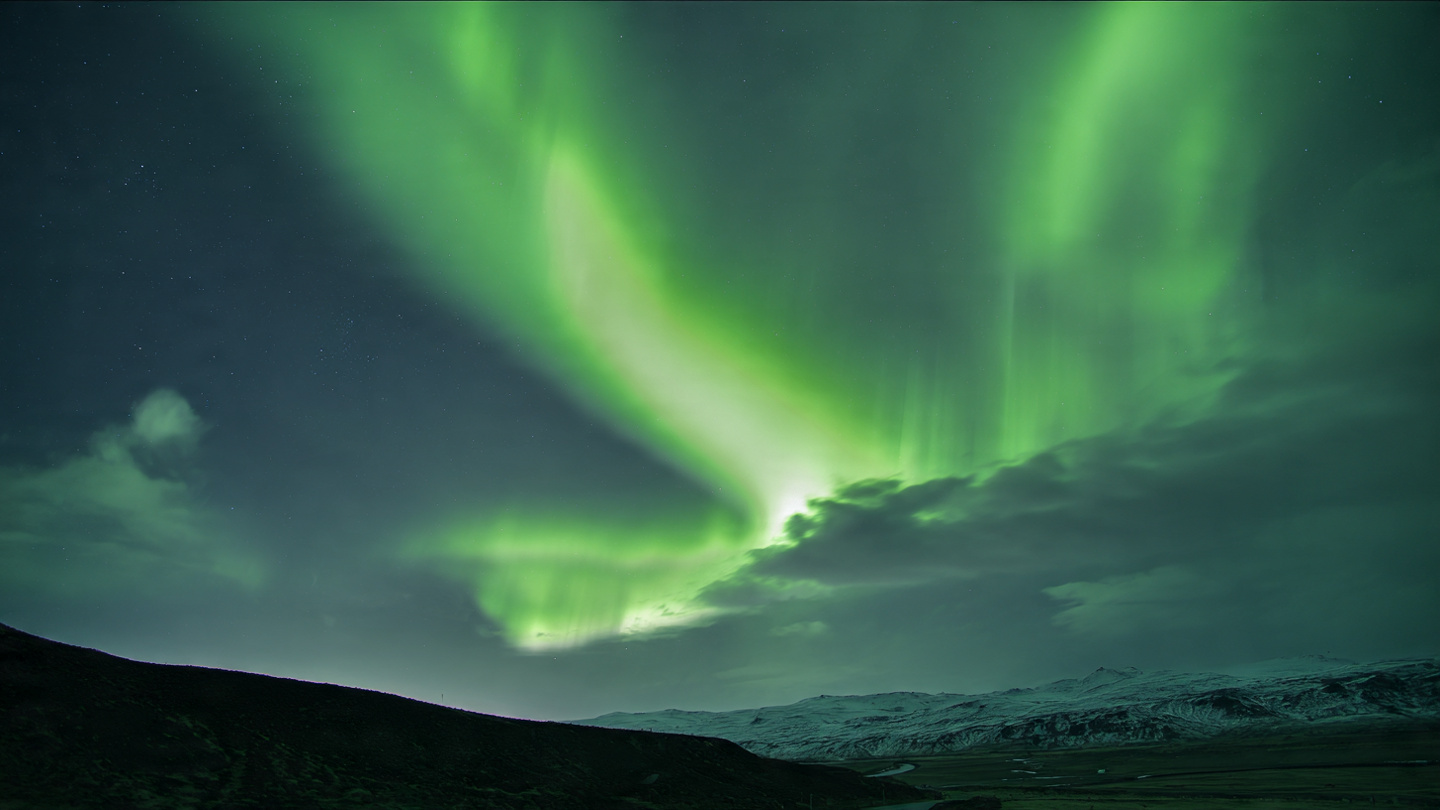

Seeing the Northern Lights in Iceland often feels less like an event and more like a quiet moment that happens when conditions align. There’s usually no announcement, no countdown—just darkness, patience, and then a soft glow that slowly moves across the sky. For many travelers, understanding when to visit is as much about atmosphere as it is about timing.
- Why Timing Matters for Northern Lights
- Best Months to See Northern Lights in Iceland
- September and October
- November to January
- February and March
- Why Summer Isn’t Ideal for Northern Lights
- What Time of Night Is Best
- Where to Stay for Better Viewing
- How Weather Influences the Experience
- Balancing Northern Lights With Daytime Travel
- How Long to Stay for a Good Chance
- Northern Lights and Travel Pace
- When First-Time Visitors Often Go
- Managing Expectations
- A Thoughtful Takeaway
Iceland offers one of the world’s most accessible settings for Northern Lights viewing, but the experience depends on season, light, and pace. Knowing what to expect helps travelers plan trips that feel calm and realistic rather than rushed or pressured.
✨ AI Insight:
As travel planning has become more experience-aware, subtle technology has helped travelers understand patterns like darkness, seasonal light, and viewing windows, making Northern Lights trips feel more intentional and less uncertain.
Why Timing Matters for Northern Lights
Northern Lights visibility depends on darkness.
In Iceland, long summer days leave little true night, while winter brings extended darkness that creates better conditions. The goal isn’t a specific date, but a period when nights are long enough for the sky to fully darken.
Patience and flexibility matter just as much as timing.
Best Months to See Northern Lights in Iceland
The most reliable window generally runs from late September through early April.
During these months, nights are dark enough, and travel remains manageable. Each part of this season offers a slightly different experience, shaping how the trip feels overall.
September and October
Early autumn feels balanced and gentle.
Darkness returns without the full intensity of winter, and landscapes still carry hints of color. Nights are long enough for Northern Lights, while days remain comfortable for exploration.
Many travelers enjoy the calm transition between seasons.
November to January
These months offer the longest nights.
Darkness stretches across much of the day, creating more opportunities to see the lights. The atmosphere feels quiet and reflective, with snow often softening the landscape.
Travel during this time often feels slower and more inward-focused.
February and March
Late winter brings contrast and clarity.
Days begin to lengthen, but nights remain dark enough for viewing. Light returns gradually, and landscapes feel crisp and bright during the day.
This period often feels balanced between winter calm and spring energy.
Why Summer Isn’t Ideal for Northern Lights
From late May through early August, Iceland experiences extended daylight.
The sky never fully darkens, making Northern Lights difficult or impossible to see. While summer is beautiful for other reasons, it’s not suited for aurora viewing.
Northern Lights need darkness to appear.
What Time of Night Is Best
Northern Lights don’t follow a strict schedule.
They often appear between late evening and early morning, but exact timing varies. Many travelers find that staying up a bit later—or waking briefly during the night—feels more natural than waiting with expectation.
Quiet observation often works best.
Where to Stay for Better Viewing
Location shapes the experience.
Areas away from city lights feel calmer and darker. Smaller towns, countryside accommodations, and coastal or inland regions often provide better viewing conditions.
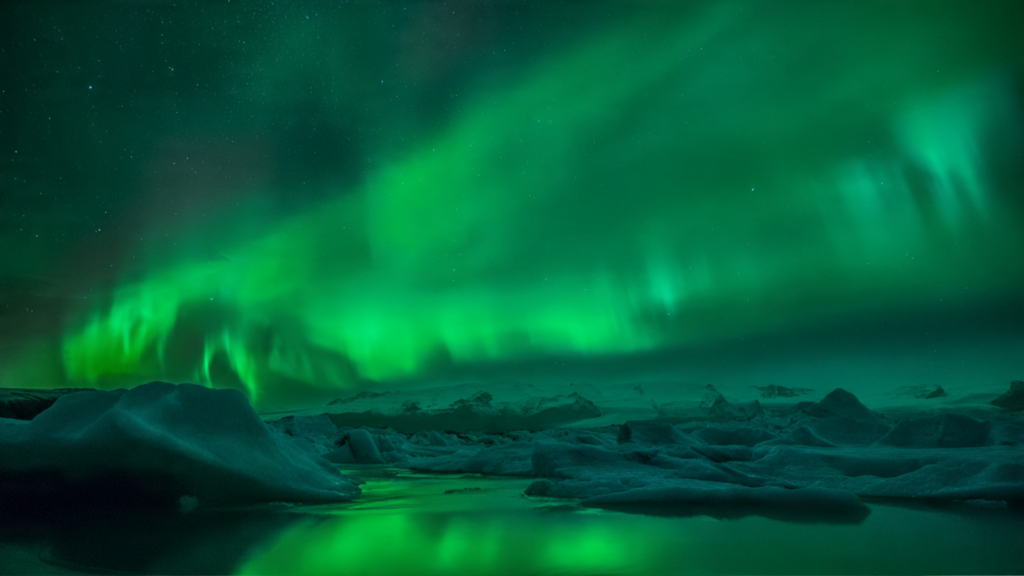
Stillness supports visibility.
How Weather Influences the Experience
Clear skies matter.
Cloud cover can obscure visibility even during active periods. Iceland’s weather changes quickly, so flexibility helps travelers adjust plans without frustration.
Adapting expectations enhances enjoyment.
Balancing Northern Lights With Daytime Travel
Northern Lights trips work best when days aren’t overpacked.
Rest during the day allows for relaxed evenings and late nights. Combining light daytime exploration with quiet evenings keeps energy steady.
Balance supports patience.
How Long to Stay for a Good Chance
Staying multiple nights increases opportunity.
Rather than aiming for a single viewing night, spreading the trip over several days allows conditions to align naturally. This reduces pressure and disappointment.
Time improves odds.
Northern Lights and Travel Pace
The experience is quiet by nature.
Waiting, watching, and sitting with the dark are part of the process. Many travelers find the stillness as memorable as the lights themselves.
Slowness becomes part of the reward.
When First-Time Visitors Often Go
Many first-time travelers choose October, February, or March.
These months balance darkness with manageable travel conditions and varied daylight. They often feel accessible without feeling extreme.
Comfort and atmosphere align well here.
Managing Expectations
Northern Lights aren’t guaranteed.
They appear when conditions allow, not on demand. Letting go of certainty often makes the experience more meaningful when it happens.
Surprise adds to memory.
A Thoughtful Takeaway
The best time to visit Iceland for Northern Lights is less about chasing a specific date and more about choosing a season that supports darkness, patience, and calm exploration. From early autumn through late winter, Iceland offers long nights and quiet landscapes that invite waiting rather than rushing.
When travelers allow space for uncertainty and embrace the rhythm of night and day, the Northern Lights often feel less like a spectacle and more like a shared moment with nature. And when they do appear—soft, shifting, and silent—they tend to linger in memory long after the sky fades back to dark.