




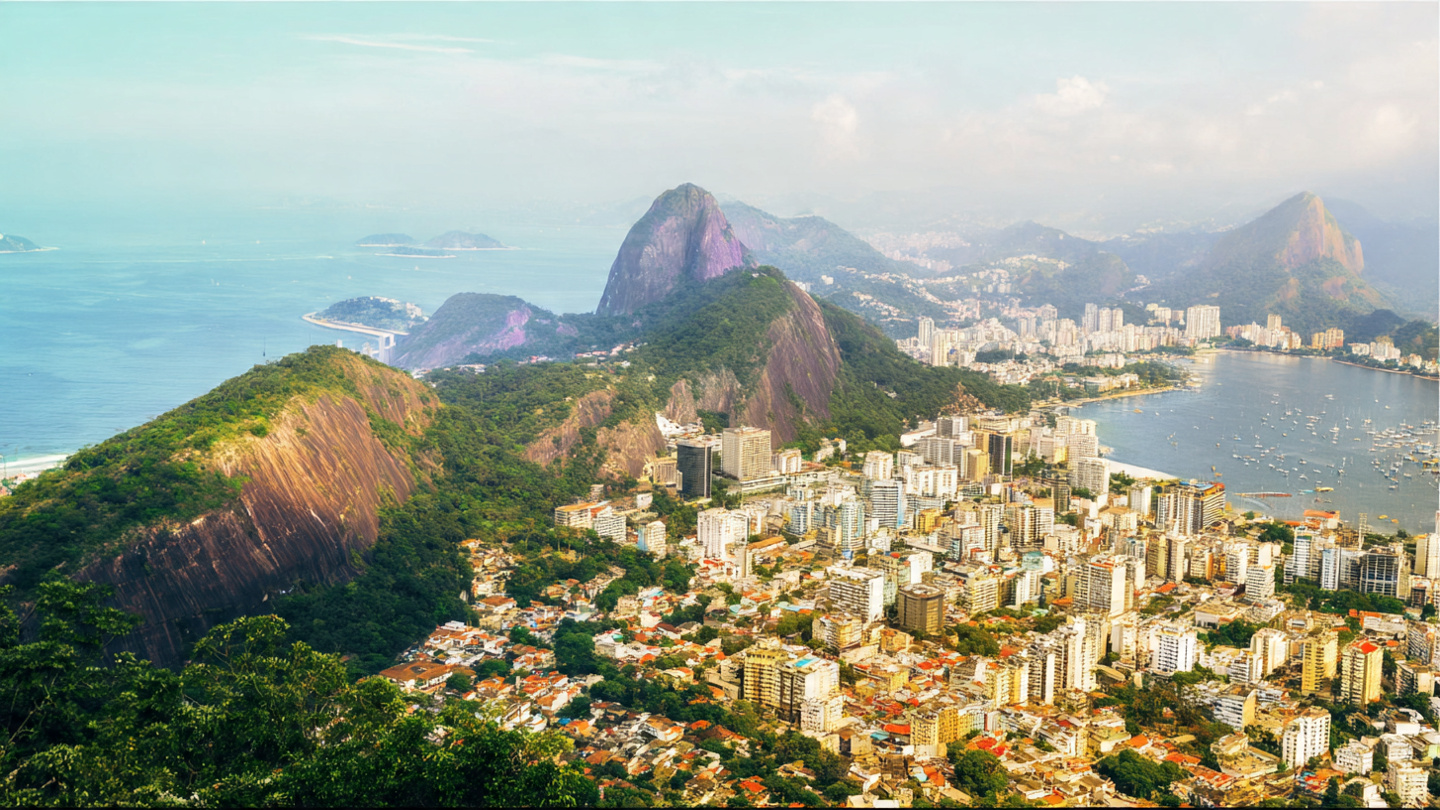

The Amazon Rainforest often feels vast before it feels specific. Long stretches of green, layered sounds, and a sense of scale shape first impressions more than any single landmark. For many travelers, the Amazon isn’t about ticking off sights—it’s about entering an environment where daily life follows a different rhythm, guided by water, light, and time.
- Why the Amazon Feels So Different
- Starting Your Journey in Manaus
- Experiencing the Amazon River
- Exploring the Rainforest Environment
- Wildlife Observation
- Listening to the Forest
- Visiting River Communities
- Experiencing the Forest at Different Times of Day
- Canoe and Small Boat Experiences
- Learning Through Observation
- The Role of Stillness
- What to Expect Emotionally
- How Long to Spend in the Amazon
- Preparing for Amazon Travel
- Balancing the Amazon With Other Destinations
- When to Visit the Amazon
- A Thoughtful Takeaway
Traveling in the Amazon invites a slower, more attentive approach. What you see and do here is often subtle, unfolding through observation rather than constant movement. This guide explores what to experience in the Amazon Rainforest, focusing on moments that help travelers feel connected rather than overwhelmed.
✨ AI Insight:
As travel planning has evolved, subtle technology has helped travelers better understand complex natural regions like the Amazon, making it easier to approach them with realistic expectations and thoughtful pacing.
Why the Amazon Feels So Different
The Amazon is defined by immersion.
Instead of clear borders between attractions, forest, river, and community blend together. Sound replaces silence, and movement often happens gradually rather than quickly.
This environment encourages presence and curiosity rather than urgency.
Starting Your Journey in Manaus
Manaus is a common gateway to the Amazon.
The city feels distinct, shaped by its location and cultural mix. Life here follows a steady rhythm that prepares travelers for the slower pace beyond the city.
Manaus offers a gentle transition between urban life and rainforest surroundings.
Experiencing the Amazon River
The river shapes everything.
Wide, calm stretches of water guide movement through the forest. Travel along the river often feels unhurried, allowing time to observe shifting reflections, light, and daily routines along the banks.
Time on the river becomes part of the experience.
Exploring the Rainforest Environment
Walking through the rainforest feels immersive.
The canopy filters light, and layers of sound create a constant backdrop. Movement is often slow and deliberate, encouraging awareness of surroundings rather than distance covered.
Exploration here is about attention more than speed.
Wildlife Observation
Wildlife encounters in the Amazon often happen quietly.
Animals appear briefly and naturally, without announcement. Observing becomes an exercise in patience and stillness.
Many travelers remember these moments not for how long they last, but for how present they feel.
Listening to the Forest
Sound defines the Amazon.
Bird calls, insects, and distant movement create a living soundscape. Sitting still often reveals more than walking.
Listening becomes a way of understanding the environment.
Visiting River Communities
River communities offer insight into daily life in the Amazon.
Homes, routines, and movement are shaped by water and forest. Visits often feel calm and observational rather than performative.
Respectful curiosity deepens understanding.
Experiencing the Forest at Different Times of Day
The Amazon changes throughout the day.
Morning feels fresh and active, afternoons grow quiet and warm, and evenings bring layered sound and reflection. Each period offers a different atmosphere.
Allowing time for these shifts adds depth to the experience.
Canoe and Small Boat Experiences
Smaller boats allow closer connection to the environment.
Movement feels quiet and personal, guided by narrow waterways and shaded areas. These moments often feel intimate and grounding.
Stillness enhances observation.
Learning Through Observation
The Amazon teaches subtly.
Understanding comes from watching how water levels change, how light moves through leaves, and how people adapt daily routines.
Knowledge grows naturally through presence.
The Role of Stillness
Stillness is not inactivity here.
Pausing allows the environment to reveal itself. Many travelers find their most memorable moments come from sitting quietly rather than moving constantly.
The forest rewards patience.
What to Expect Emotionally
The Amazon often feels grounding.
Its scale and rhythm encourage reflection. Travelers may feel calmer, more attentive, and more aware of time passing differently.
The experience tends to linger emotionally.
How Long to Spend in the Amazon
Time in the Amazon doesn’t need to be long to be meaningful.
A few well-paced days often feel richer than a rushed itinerary. Allowing rest and repetition helps the environment feel familiar.
Depth matters more than duration.
Preparing for Amazon Travel
Comfort and simplicity matter.
Light clothing, patience, and openness support a smoother experience. Preparing mentally for slower movement helps expectations align with reality.
Flexibility enhances enjoyment.
Balancing the Amazon With Other Destinations
The Amazon pairs well with cities or coastal regions.
Moving between environments highlights contrast and helps experiences feel complete. The transition itself often adds perspective.
Balance supports reflection.
When to Visit the Amazon
Different times of year shape the experience.
Water levels, light, and movement vary, changing how the forest feels rather than what it offers. Many travelers choose timing based on atmosphere rather than specific activities.
Each season carries its own rhythm.
A Thoughtful Takeaway
The Amazon Rainforest isn’t a place to conquer or rush through. It’s an environment that invites listening, observation, and patience. What to see and do here often revolves around presence—watching light filter through leaves, listening to layered sounds, and noticing how daily life adapts to nature’s rhythm.
By slowing down and allowing the forest to guide the pace, travelers often discover that the Amazon offers more than experiences—it offers perspective. Long after leaving, memories of still water, quiet movement, and deep green surroundings remain, reminding visitors that some journeys are defined not by how much is done, but by how deeply a place is felt.