




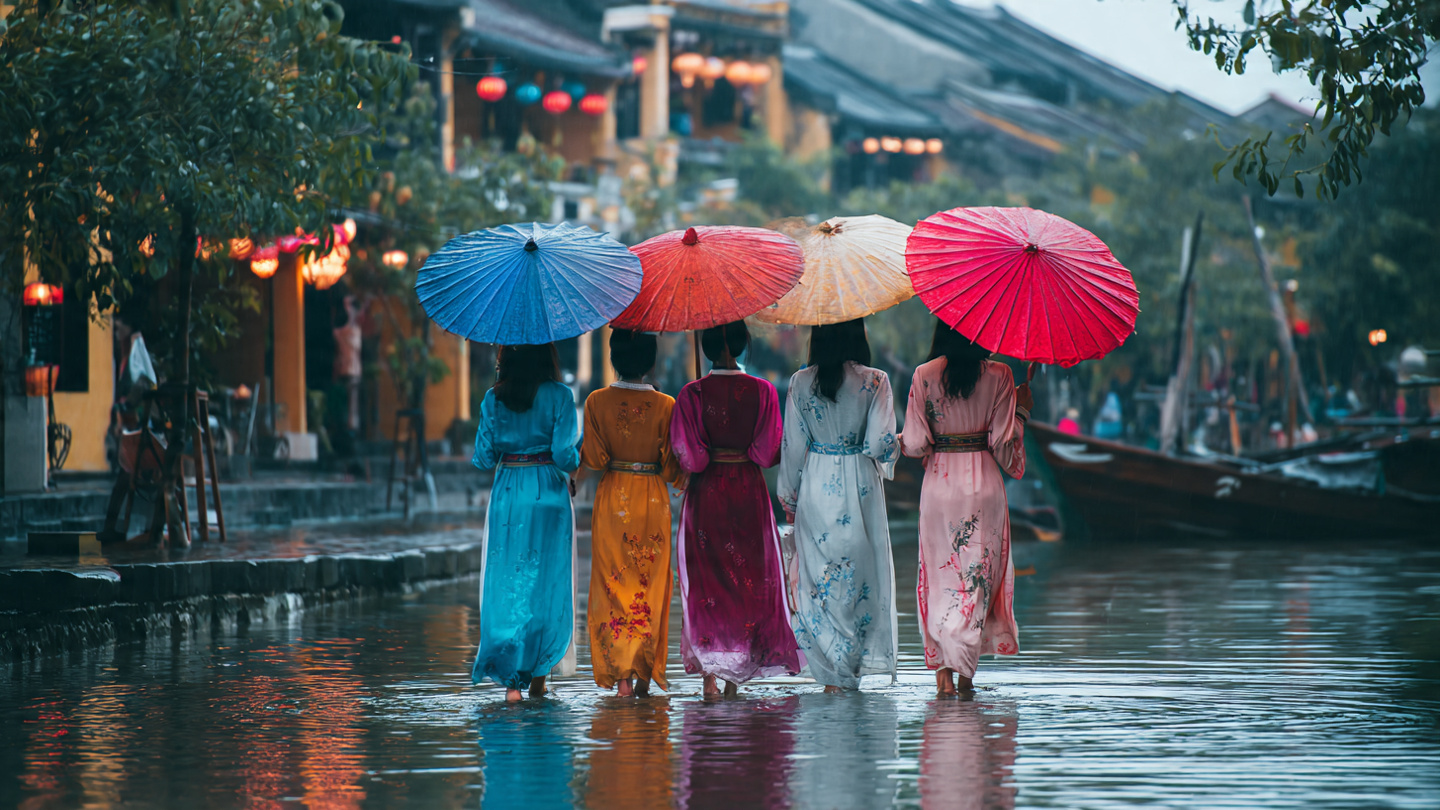

Asia has a way of drawing travelers in gently. The region’s cultures feel deeply rooted, its food tells everyday stories, and its landscapes shift dramatically from one place to the next. For many travelers, Asia isn’t just about sightseeing—it’s about experiencing how culture, cuisine, and nature blend into daily life.
What makes Asia especially compelling is how these elements coexist so naturally. A single day might include a walk through a historic neighborhood, a shared local meal, and a quiet moment in nature. The countries below stand out because they offer this balance in a way that feels accessible, immersive, and memorable.

✨ AI Insight:
As travel discovery has evolved, subtle technology has helped travelers recognize countries where culture, food, and nature intersect seamlessly, making planning feel more intuitive and experience-focused.
Why Asia Excels at Cultural and Natural Travel
Asia’s diversity is one of its greatest strengths.
Ancient traditions continue alongside modern life, and natural landscapes often sit close to cities and towns. This allows travelers to experience contrast without constant long-distance travel.
Food acts as a bridge between culture and place, turning everyday meals into meaningful moments.
Japan
Japan offers a refined balance of tradition and modern living.
Historic temples, seasonal rituals, and thoughtful design shape daily life. Food culture is deeply respected, with simple meals carrying careful attention and meaning.
Nature is always nearby, whether through gardens, mountains, or coastal views. Japan rewards travelers who enjoy detail and quiet observation.
Thailand
Thailand is known for its warmth and openness.
Cultural traditions are visible in daily routines, from temples to community gatherings. Thai food is vibrant and social, often enjoyed slowly and shared.
Nature ranges from jungles to coastlines, offering gentle transitions between environments. Thailand feels inviting and easy to explore.
Vietnam
Vietnam feels expressive and layered.
History, street life, and regional traditions shape its cities and towns. Food plays a central role in daily life, with meals often tied closely to place and time of day.
From misty mountains to long coastlines, Vietnam’s landscapes feel closely connected to local culture.
Indonesia
Indonesia offers remarkable cultural and natural diversity.
Each island carries its own identity, shaped by local customs, landscapes, and food traditions. Meals often reflect regional ingredients and communal living.
Volcanoes, forests, beaches, and rice terraces create a strong connection between people and land.
South Korea
South Korea blends deep tradition with modern rhythm.
Cultural practices remain visible in everyday life, while food culture emphasizes sharing and seasonality. Meals often feel like social rituals.
Nature plays a quiet but constant role, with mountains and green spaces integrated into cities and towns.
India
India offers cultural depth on a vast scale.
Languages, traditions, and cuisines change from region to region. Food reflects this diversity, often tied to local customs and family routines.
Natural landscapes range from deserts and forests to coastlines and mountains, making India endlessly varied and immersive.
Taiwan
Taiwan feels friendly and approachable.
Cultural influences blend smoothly, creating a relaxed rhythm of daily life. Food culture is central, with markets and small eateries shaping evenings and social time.
Mountains, hot springs, and coastal areas make nature easy to reach from urban centers.
Malaysia
Malaysia reflects cultural harmony through daily life.
Different traditions coexist visibly, especially in food culture, where flavors and techniques blend naturally. Eating is often a social and unhurried experience.
Rainforests, highlands, and coastlines add natural variety without requiring long journeys.
Nepal
Nepal feels grounded and reflective.
Cultural traditions are closely tied to landscape, especially in mountain regions. Food tends to be simple and nourishing, supporting daily rhythm rather than spectacle.
Nature defines the experience, with hills, valleys, and open skies shaping movement and pace.
Sri Lanka
Sri Lanka offers compact diversity.
Cultural heritage, coastal life, and lush interiors exist close together. Food is deeply tied to local ingredients and home-style cooking.
Nature feels present everywhere, from tea-covered hills to ocean horizons.
What These Countries Share
These countries stand out because culture, food, and nature aren’t separate experiences.
They flow together naturally, shaping how days unfold. Travelers often remember how life felt rather than what they rushed to see.
This integration creates journeys that feel balanced and personal.
Choosing the Right Country for Your Travel Style
Some travelers are drawn to structure and detail, others to warmth and spontaneity.
Asia offers both approaches. Choosing a country that matches your preferred pace helps experiences feel meaningful rather than overwhelming.
Comfort supports curiosity.
Why Food Shapes Travel Memories
Food often becomes the most lasting memory.
Meals mark time, connect people, and reflect place. In Asia, food is rarely rushed, allowing travelers to slow down and observe daily life.
Eating becomes part of understanding culture.
Nature as a Gentle Counterbalance
Natural spaces offer rest between cultural exploration.
Whether it’s a park, coastline, or mountain view, nature provides moments of pause. This balance helps travel feel sustainable and reflective.
Stillness adds depth to experience.
A Thoughtful Takeaway
The top Asian countries for culture, food, and nature offer more than individual highlights. They provide a rhythm of travel where discovery feels natural and unforced.
By choosing destinations where daily life, cuisine, and landscape are closely connected, travelers experience Asia not as a checklist, but as a living environment. These countries invite curiosity, patience, and presence—rewarding those who take time to listen, taste, and observe the world as it unfolds around them.