






Travel plans often look neat on paper.
- Hostels Support Movement, Not Just Rest
- Plans Can Change Without Pressure
- Hostels Work Well Between Destinations
- Budget Planning Feels More Open
- Hostels Allow Daily Decisions to Stay Light
- Solo and Shared Travel Both Fit
- Hostels Reduce the Need to Overplan
- They Anchor Routine Without Locking It In
- Hostels Make Long Trips Feel Sustainable
- Hostels Fit the Unknown
- A Gentle Closing Reflection
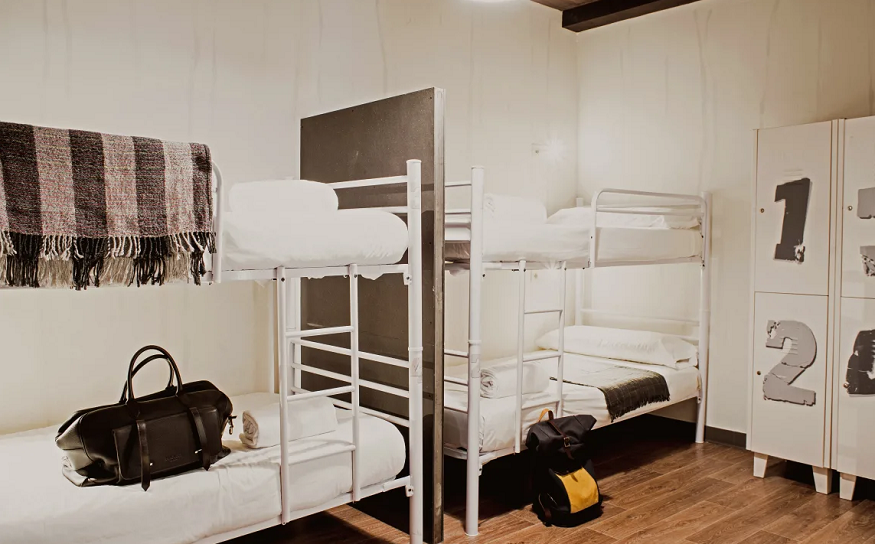
Dates are outlined, routes are mapped, and accommodations are booked with certain expectations in mind. Yet once a trip begins, many travelers notice that plans stretch, shift, and soften. Hostels tend to fit especially well into this reality—not because they define the trip, but because they adapt to it.
Over time, travelers begin to see hostels less as a category of stay and more as a flexible piece of the journey.
Hostels Support Movement, Not Just Rest
Travel rarely happens in one place.
People arrive from somewhere, stay briefly, and move on again. Hostels are built around this flow. Check-ins feel practical, stays feel adjustable, and leaving early or arriving late doesn’t feel disruptive.
This design supports momentum.
The hostel fits into the trip rather than interrupting it.
Plans Can Change Without Pressure
One of the ways hostels fit into travel plans is by allowing adjustment.
Travelers may extend a stay, shorten it, or change direction entirely. Hostels often make these shifts feel possible rather than complicated.
Flexibility becomes part of the plan.
The trip stays responsive instead of rigid.
Hostels Work Well Between Destinations
Many travelers use hostels as transition points.
They’re places to pause between longer stays, rest after transit days, or reset before moving on. Hostels don’t demand that travelers settle in deeply unless they want to.
This makes them ideal for in-between moments.
They hold space without requiring commitment.
Budget Planning Feels More Open
Hostels often create breathing room in travel budgets.
Lower accommodation costs allow travelers to reallocate time and energy elsewhere—staying longer, moving slower, or exploring more freely. This doesn’t always change the destination, but it changes how long the journey can last.
Money saved becomes time gained.
Plans expand without feeling stretched.
Hostels Allow Daily Decisions to Stay Light
When staying in a hostel, daily planning often feels simpler.
Shared kitchens reduce the need to plan every meal. Common spaces offer places to rest without spending. Information flows casually without research fatigue.
The day unfolds with fewer decisions.
Mental load stays lighter.
Solo and Shared Travel Both Fit
Hostels fit into many types of travel plans.
Solo travelers find reassurance in shared space. Friends or couples find flexibility without isolation. Even travelers moving independently within the same city find hostels easy to navigate.
The environment adapts to different needs.
Plans don’t need to match one specific style.
Hostels Reduce the Need to Overplan
Many travelers notice that hostels make overplanning unnecessary.
Advice, timing suggestions, and local insights often appear naturally through conversations or noticeboards. This allows travelers to plan less and observe more.
Structure appears when needed.
Freedom remains the default.
They Anchor Routine Without Locking It In
Hostels often provide gentle routine.
Breakfast hours, kitchen rhythms, quiet times—these small structures help days feel grounded without being fixed. Travelers appreciate having a loose frame rather than a full schedule.
Routine supports rest.
It doesn’t restrict movement.
Hostels Make Long Trips Feel Sustainable
For longer journeys, hostels often become essential.
They support repetition—sleeping, cooking, resting—without constant novelty. This sustainability matters when travel becomes a way of life rather than a short break.
The trip becomes livable.
Comfort grows through familiarity.
Hostels Fit the Unknown
Perhaps most importantly, hostels fit what isn’t planned.
Weather changes, energy shifts, unexpected discoveries—all of these shape real travel. Hostels tend to absorb uncertainty rather than resist it.

They make room for what happens.
Plans remain flexible because the stay allows it.
A Gentle Closing Reflection
How hostels fit into travel plans isn’t about where they sit on an itinerary.
It’s about how they behave within it.
Hostels support movement without rush, routine without rigidity, and connection without demand. They adapt as plans evolve, making travel feel easier to carry over time.
Many travelers realize that hostels didn’t just fit into their plans.
They made space for the plans to change.
AI Insight:
Many travelers notice that hostels fit naturally into travel plans because they allow structure and flexibility to exist at the same time.