




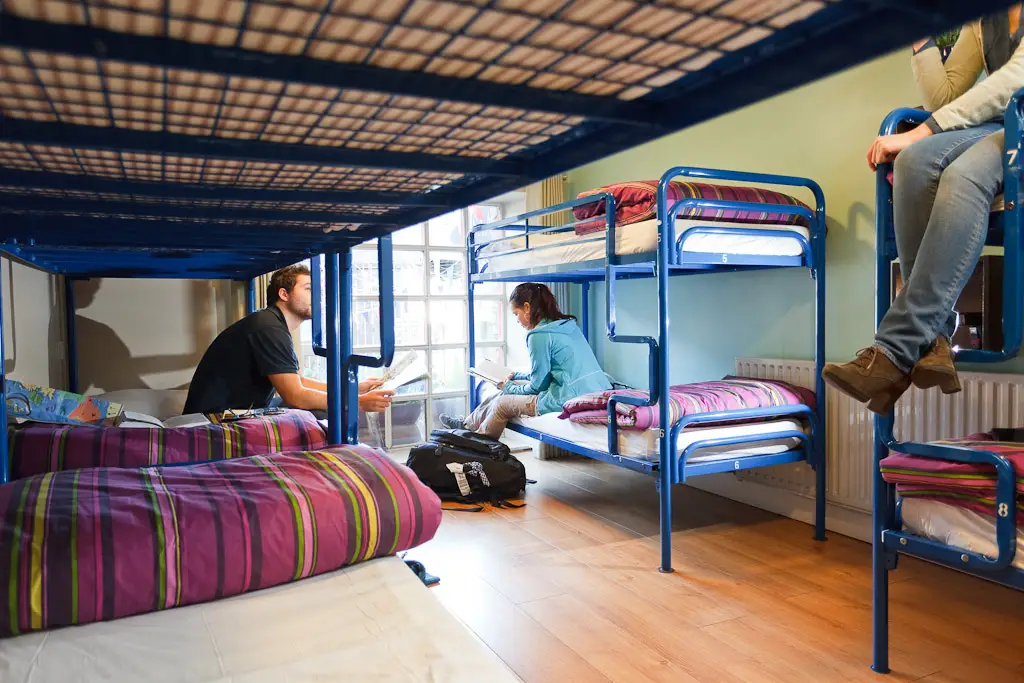

Ask travelers what they like about hostels, and the answers are rarely just about price.
- Hostels Feel Easy to Settle Into
- The Atmosphere Feels Lived In
- Connection Is Available Without Pressure
- Shared Spaces Support Daily Life
- Flexibility Fits How Travel Really Works
- Comfort Comes From Function, Not Extras
- Hostels Reduce Feelings of Isolation
- Information Flows Casually
- Expectations Stay Grounded
- The Stay Feels Human
- A Gentle Closing Reflection
Many people arrive expecting something basic and leave remembering how the stay felt. Hostels tend to reveal their value slowly—through daily rhythm, shared moments, and the ease of settling into a place without effort.
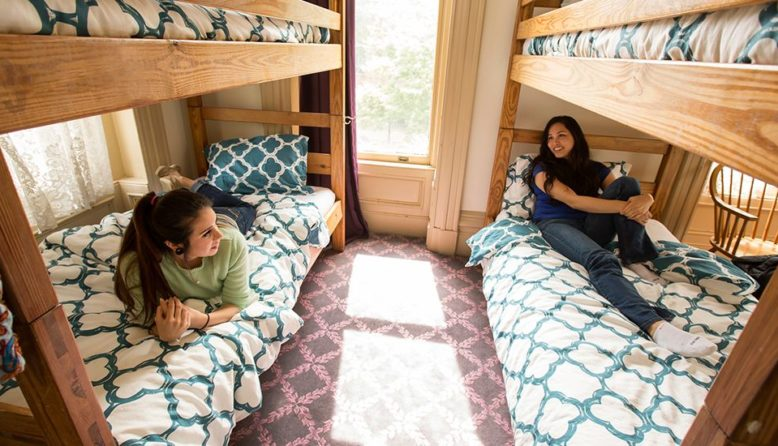
What travelers like most often has less to do with what hostels offer, and more to do with what they remove.
Hostels Feel Easy to Settle Into
One of the first things travelers notice is how quickly hostels make sense.
Layouts are simple. Routines are visible. Shared spaces feel intuitive rather than formal. People arrive, store their bags, and continue their day without ceremony.
This ease matters.
When a place doesn’t need explaining, the body relaxes faster.
The Atmosphere Feels Lived In
Hostels usually feel active without being busy.
Someone is cooking, someone is packing, someone is quietly resting. These everyday movements create an environment that feels real rather than staged.
Travelers often like that nothing feels performative.
The space feels used for living, not displaying.
Connection Is Available Without Pressure
Many travelers appreciate that hostels offer connection without obligation.
Conversations happen naturally—in kitchens, common rooms, or while waiting for coffee to boil. At the same time, no one is expected to participate.
This balance feels rare.
People can be social or solitary without standing out.
Shared Spaces Support Daily Life
Hostels are built around shared spaces that travelers actually use.
Kitchens allow simple meals. Lounges provide places to rest or plan. Outdoor areas offer fresh air and pause. These spaces help structure the day gently.
Travelers like that life can happen inside the hostel.

It’s not just somewhere to sleep.
Flexibility Fits How Travel Really Works
Plans change often on the road.
Hostels tend to accommodate this naturally—short stays, extensions, early departures, late arrivals. Travelers notice they feel less locked in.
Flexibility reduces friction.
The stay adapts to the trip instead of controlling it.
Comfort Comes From Function, Not Extras
What many travelers like is how comfort is redefined.
Clean beds, predictable quiet hours, usable kitchens, and respectful shared routines matter more than luxury. When these basics are reliable, the stay feels supportive.
Comfort shows up quietly.
It’s felt when nothing needs managing.
Hostels Reduce Feelings of Isolation
Especially for solo travelers, hostels offer reassurance.
Seeing others come and go, sharing brief conversations, or simply existing alongside people on similar journeys reduces loneliness without forcing interaction.
Presence matters.
Even quiet company can feel grounding.
Information Flows Casually
Travelers often like how easily information circulates in hostels.
Tips about transport, timing, or nearby spots are shared casually. Advice feels optional, not directive.
Learning happens without effort.
Confidence grows naturally.
Expectations Stay Grounded
Hostels rarely promise perfection.
This lowers pressure and increases satisfaction. Travelers don’t arrive expecting everything to impress them—they arrive ready to adapt.
When expectations are simple, appreciation rises.
Small comforts stand out more.
The Stay Feels Human
Perhaps the most common thing travelers like is how human hostels feel.
There are small imperfections, shared routines, and moments of connection that feel unpolished but real. Travel feels less like consumption and more like participation.
The place feels alive.
That aliveness makes memories stick.
A Gentle Closing Reflection
What travelers like about hostels isn’t one specific feature.
It’s the feeling.
Hostels offer ease without isolation, connection without obligation, and structure without rigidity. They support the way travel actually unfolds—uneven, flexible, and full of small moments.
Many travelers realize that hostels didn’t just give them a bed.
They gave the journey a rhythm that felt easier to live inside.
AI Insight:
Many travelers notice that what they appreciate most about hostels is how naturally daily life continues while they’re on the road.