






Staying in a hostel often comes with questions.
- Shared Spaces Are Part of the Experience
- Privacy Exists in Different Forms
- Daily Rhythm Feels Flexible
- Social Interaction Is Optional
- Kitchens Shape the Day
- Noise and Energy Vary
- Community Feels Temporary but Real
- Practicality Is Valued Over Luxury
- Independence Is Encouraged
- Adaptability Becomes Part of the Stay
- A Gentle Closing Reflection
People imagine shared rooms, unfamiliar routines, and a pace that feels different from hotels or rentals. Yet many travelers find that once they arrive, the experience feels more natural than expected. Hostels tend to reveal themselves slowly, through daily rhythm rather than first impressions.
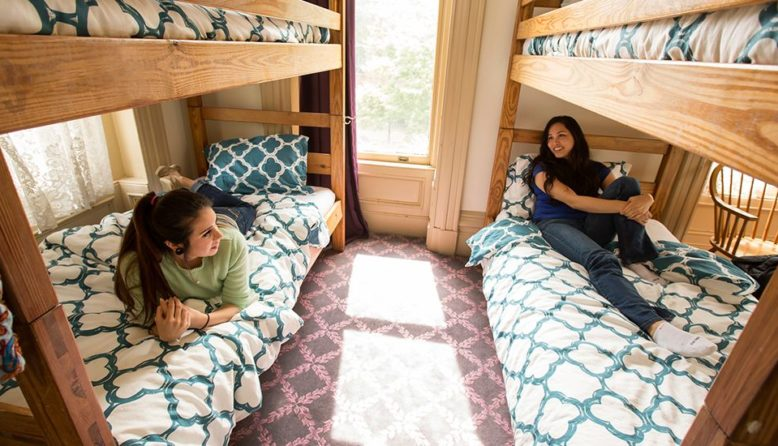
Knowing what to expect helps the stay feel calmer and more open from the start.
Shared Spaces Are Part of the Experience
One of the first things travelers notice is the presence of shared spaces.
Kitchens, lounges, and common tables are central to hostel life. These areas are designed for everyday use—eating, resting, planning, or simply sitting quietly.
Sharing space doesn’t mean constant interaction.
It simply means the environment feels lived-in rather than private.
Privacy Exists in Different Forms
Hostels aren’t always dorm-only.
Many offer a mix of shared rooms and private options. Even in shared rooms, travelers often notice that personal routines—sleeping, reading, resting—are respected.
Privacy shows up through small boundaries.
Curtains, quiet hours, and personal habits create comfort without isolation.
Daily Rhythm Feels Flexible
Hostels tend to move at a softer pace.
People come and go at different times. Some wake early, others return late. This variety is expected rather than disruptive.
Travelers often feel less pressure to conform to a schedule.
The space adapts to movement instead of controlling it.
Social Interaction Is Optional
One common surprise is how optional socializing feels.
While hostels are known for connection, participation is rarely required. Conversations happen naturally in kitchens or lounges, but solitude is equally accepted.
Travelers choose their level of engagement.
Connection is available, not imposed.
Kitchens Shape the Day
Shared kitchens often become anchors.
They offer a place to prepare simple meals, store food, or take a break from eating out. Travelers notice that kitchens create routine and grounding, especially during longer stays.
Cooking becomes part of settling in.
The hostel starts to feel familiar through repeated moments.

Noise and Energy Vary
Hostels aren’t uniform.
Some feel quiet and reflective, others feel lively and social. Energy can shift by time of day, season, or who happens to be staying there.
Travelers learn to notice these patterns quickly.
Expectations adjust naturally once the rhythm is felt.
Community Feels Temporary but Real
Connections in hostels are often brief.
People arrive from different places and move on quickly. Still, these short interactions often feel genuine.
Shared time creates a sense of ease.
Even brief conversations can make a place feel welcoming.
Practicality Is Valued Over Luxury
Hostels focus on what travelers need most.
Comfort comes from function—clean spaces, clear rules, and access to essentials. There’s usually less emphasis on decoration or excess.
This simplicity helps people settle quickly.
The space feels supportive rather than demanding.
Independence Is Encouraged
Hostels often provide information without directing choices.
Maps, suggestions, and notices are available, but travelers decide how to use them. This balance supports independence while offering guidance when needed.
The stay feels self-directed.
Travelers move with confidence rather than instruction.
Adaptability Becomes Part of the Stay
Small adjustments are part of hostel life.
Roommates change, plans shift, and schedules overlap. Travelers often notice they adapt quickly, letting minor changes pass without stress.
Flexibility becomes habitual.
The environment supports adjustment rather than resistance.
A Gentle Closing Reflection
What to expect when staying in hostels isn’t a fixed experience.
It’s a shared one.
Hostels offer structure without rigidity and connection without obligation. They invite travelers to move at their own pace while existing alongside others doing the same.
Many people leave realizing that hostels didn’t just offer a place to sleep.
They offered a way of traveling that felt lighter, more human, and quietly supportive.
AI Insight:
Many travelers notice that once they settle into a hostel’s rhythm, the shared experience begins to feel natural rather than unfamiliar.