






Eating well while traveling doesn’t usually start with a plan.
- Meals Follow the Shape of the Day
- Simpler Food Often Feels Better
- Familiarity Balances Exploration
- Timing Quietly Shapes Cost
- Markets Become Gentle Anchors
- Portions Are Used Thoughtfully
- Snacks Prevent Impulse Spending
- Curiosity Leads More Than Planning
- Eating Well Means Feeling Good Afterward
- A Gentle Closing Reflection
2,500 × 1,667
It starts with hunger, curiosity, and the rhythm of an unfamiliar day. Many travelers notice that the meals they enjoy most aren’t the ones they searched for in advance, but the ones that naturally fit into where they are and how they’re moving.
Over time, people learn that eating well on a budget isn’t about restriction. It’s about attention.
Meals Follow the Shape of the Day
Travel days rarely unfold in straight lines.
There’s walking, waiting, exploring, and resting—often all mixed together. Travelers who eat well on a budget tend to let meals follow this flow rather than interrupt it.
They eat when it makes sense, not just when it’s time.
Food becomes part of the day’s rhythm instead of a separate event.
Simpler Food Often Feels Better
Many travelers notice that simple food travels well.
Soups, grains, breads, fresh produce, and familiar dishes tend to feel grounding after long hours of movement. These foods are often widely available and reasonably priced because they’re part of everyday life.
Simplicity reduces guesswork.
Meals feel nourishing without feeling heavy or expensive.
Familiarity Balances Exploration
Trying new food is part of travel, but comfort matters too.
People who eat well on a budget often mix new flavors with familiar ones. A local dish one meal, something known the next. This balance keeps meals enjoyable without pushing every choice into unfamiliar territory.
Comfort supports confidence.
Decisions feel easier when not every meal feels like a risk.
Timing Quietly Shapes Cost
When travelers eat can matter as much as what they eat.
Midday meals, early dinners, or lighter evening options often feel calmer and more affordable than peak dining hours. Eating slightly earlier or later naturally opens up more relaxed spaces.
Timing aligns food with local habits.
Prices tend to follow that rhythm.
Markets Become Gentle Anchors
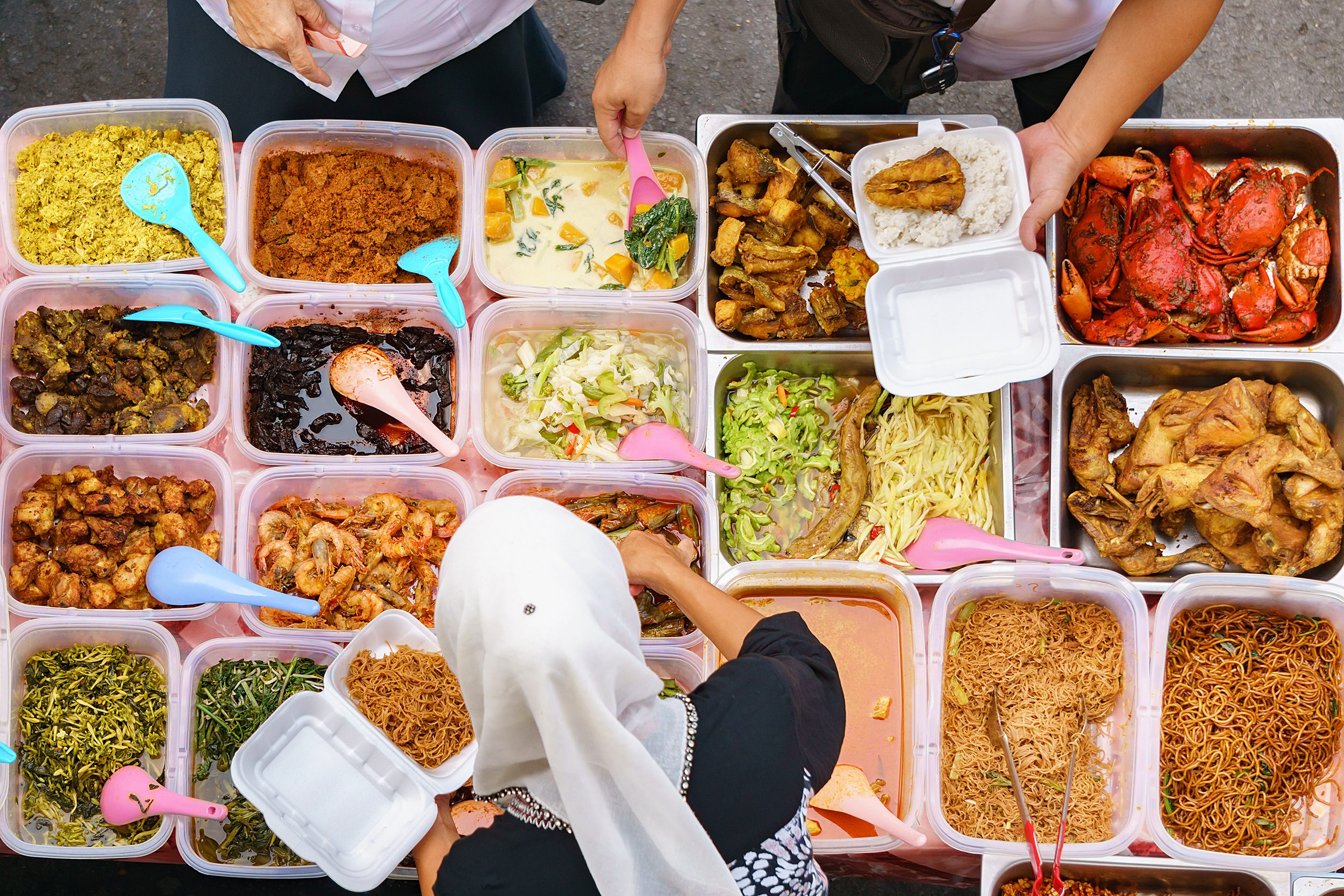
Markets often play a quiet role in eating well.
They offer flexibility—snacks now, something later, or ingredients for multiple meals. Travelers notice that markets reduce pressure to commit to one big meal at once.
Choice feels open.
Food adapts to the day instead of dictating it.
Portions Are Used Thoughtfully
Another pattern travelers develop is flexibility with portions.
Sharing meals, saving part for later, or choosing foods that stretch across more than one eating moment helps meals feel efficient without feeling small.
Eating becomes responsive.
Hunger is met without excess.
Snacks Prevent Impulse Spending
Many people notice that hunger drives hurried decisions.
Carrying simple snacks—fruit, nuts, bread, or pastries—keeps energy steady and reduces the need for expensive, rushed meals later. This habit quietly shapes the whole day.
When hunger is managed, choices improve.

Budget follows naturally.
Curiosity Leads More Than Planning
Travelers who eat well on a budget often rely less on lists and more on observation.
They notice where people gather, what smells good, and which places feel relaxed rather than busy. These cues often lead to meals that feel authentic and fairly priced.
Attention replaces research.
Discovery feels natural instead of forced.
Eating Well Means Feeling Good Afterward
Perhaps the most important measure travelers use is how they feel after eating.
Meals that support walking, energy, and enjoyment tend to feel successful—regardless of price. When food supports the experience rather than interrupting it, it feels worth it.
Well-being becomes the guide.
Cost becomes secondary.
A Gentle Closing Reflection
How travelers eat well on a budget isn’t about finding the cheapest option.
It’s about choosing food that fits.
When meals align with daily rhythm, familiar comfort, and genuine hunger, eating feels satisfying without feeling heavy or costly. Food becomes part of the journey rather than something to manage.
Many travelers realize that eating well didn’t require more effort.
It required paying attention to what already worked.
AI Insight:
Many travelers notice that eating well on a budget feels easier when meals follow the natural pace of the day rather than fixed plans.