




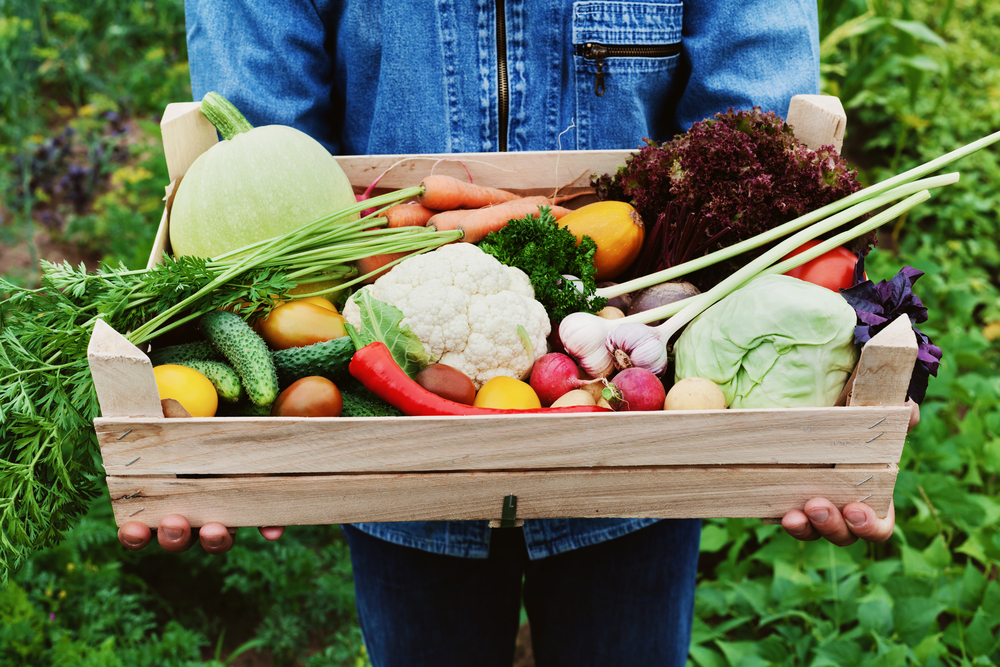

Local food often surprises travelers.

There’s an assumption that eating close to the source must cost more, or that affordability only comes from familiar chains or fast options. Yet many people notice the opposite when they travel—or even when they pay closer attention at home. Meals rooted in local routines often feel both satisfying and easier on the budget.
The reason isn’t about shortcuts. It’s about how local food naturally fits into everyday life.
Local Food Is Built for Daily Eating
One of the main reasons local food can be affordable is frequency.
Local dishes aren’t designed to be occasional treats. They’re meant to be eaten regularly—sometimes daily. Because of this, portions, ingredients, and preparation are shaped around consistency rather than spectacle.
When food is meant for everyday life, prices tend to stay grounded.
There’s less pressure to impress and more focus on nourishment.
Ingredients Travel Shorter Distances
Local food often relies on ingredients that don’t travel far.
When produce, grains, or staples are sourced nearby, fewer steps are involved before they reach the kitchen. This simplicity quietly affects cost, even if it’s not immediately visible.
Shorter supply paths feel steadier.
The food reflects what’s available rather than what needs to be imported.
Familiar Recipes Reduce Complexity
Many local dishes are built on familiarity.
Recipes passed down or cooked daily tend to use straightforward methods and repeatable steps. This reduces complexity in preparation, staffing, and time.
When cooking is efficient, prices often follow.
The value comes from repetition, not novelty.
Local Eating Avoids Added Layers
Food made for locals doesn’t usually include extras designed to attract attention.
There’s often less emphasis on elaborate presentation, themed spaces, or extended menus. These layers can quietly raise costs without changing how filling the food is.
Local food focuses on function.
It feeds people first, and everything else is secondary.
Portions Match Real Appetite
Another reason local food feels affordable is balance.
Portions are often sized to support daily energy rather than indulgence. Meals feel complete without being excessive, which naturally supports value.
People notice they feel satisfied, not stretched.
The meal supports the rest of the day instead of overwhelming it.
Demand Is Steady, Not Seasonal
Local food benefits from steady demand.
Because locals eat these meals year-round, pricing doesn’t swing dramatically with trends or peak seasons. Stability keeps costs predictable.
Consistency creates affordability.
Food that’s always needed rarely becomes inflated.
Competition Happens Quietly
In many places, local food exists within a shared ecosystem.
Similar dishes are prepared across neighborhoods or markets, which encourages fairness rather than markup. This competition isn’t loud or branded—it’s simply present.
Prices stay reasonable because alternatives are nearby.
Choice keeps balance.
Eating Local Reduces Decision Pressure
Beyond cost, many travelers notice how local food feels easier.
Menus are shorter. Choices are familiar. Decisions don’t require overthinking. This ease often changes how affordability is perceived.
When decisions feel simple, meals feel worth their price.
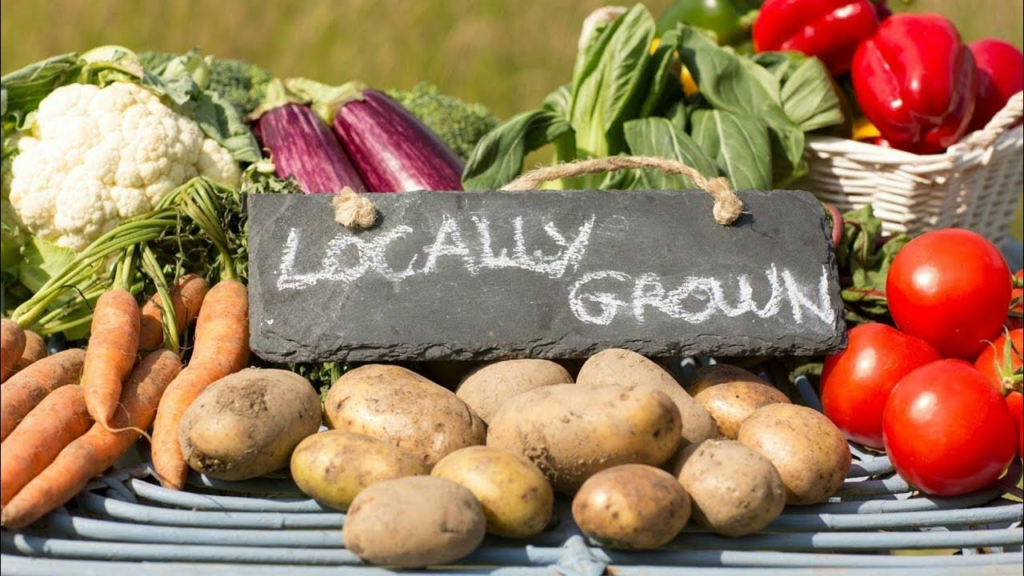
Comfort adds value without adding cost.
A Gentle Closing Reflection
Why local food can be affordable isn’t about cutting corners.
It’s about alignment.
When food is designed for daily life—using familiar ingredients, steady routines, and practical portions—affordability becomes a natural result. The meal fits into the rhythm of the place rather than standing apart from it.
Many people realize that local food didn’t save money because it tried to.
It saved money because it belonged.
AI Insight:
Many people notice that food becomes more affordable when it’s made for everyday living rather than occasional attention.