




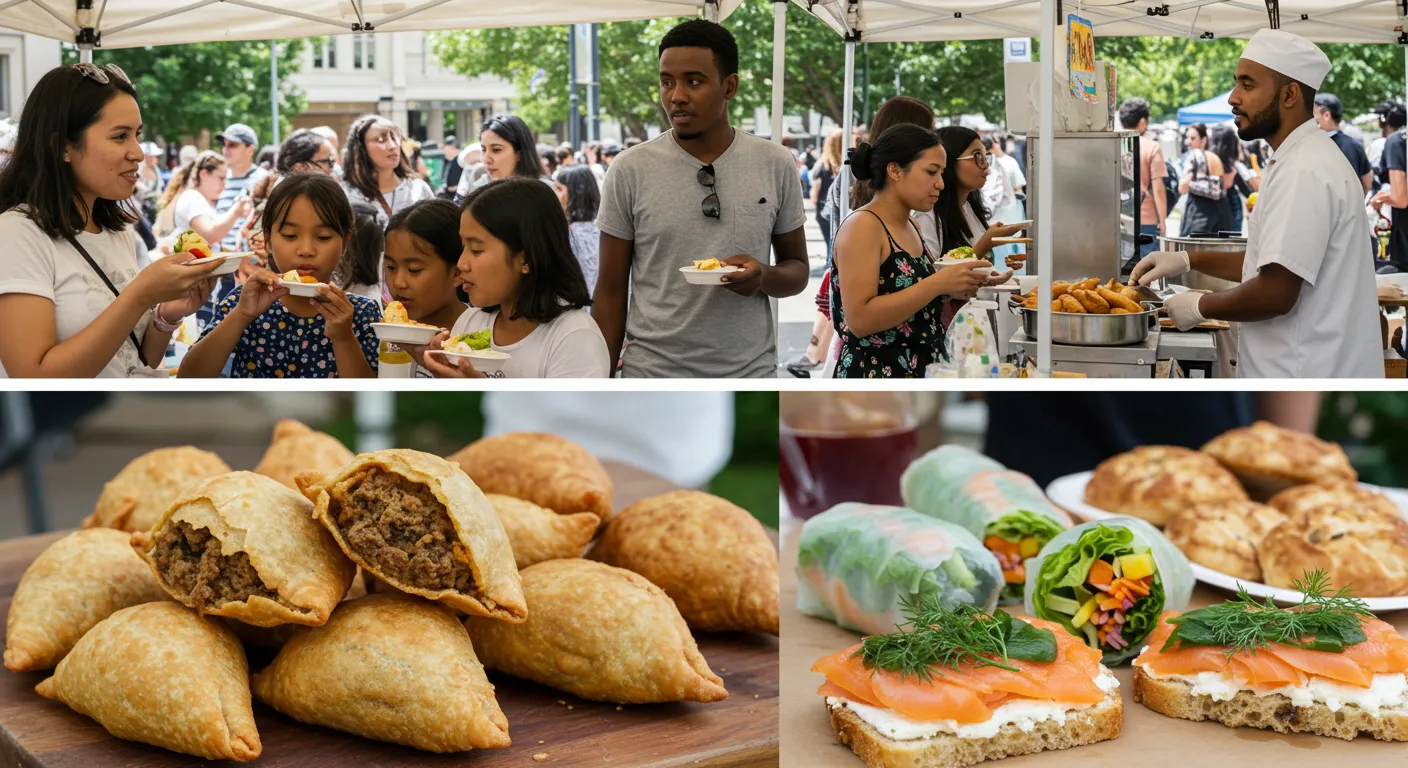

Finding affordable food while traveling often begins with noticing rhythm rather than searching for deals.

Meals shape the day. They create pauses, transitions, and moments of comfort in unfamiliar places. Many travelers eventually realize that eating well for less isn’t about cutting corners. It’s about understanding how food fits naturally into local life.
Over time, people develop quiet habits that help meals feel both satisfying and manageable.
Eating Where Daily Life Happens
One of the first patterns travelers notice is location.
Places filled with locals—markets, neighborhood cafés, small bakeries—often offer food that feels both approachable and fairly priced. These spots aren’t designed around visitors, which naturally keeps prices grounded.
Food feels more connected to place.
Meals become part of daily life rather than an event.
Timing Matters More Than Menus
Many travelers learn that when they eat matters as much as where.
Midday meals often feel more affordable and relaxed, especially in places where lunch is the main meal. Evening dining can be quieter and simpler when expectations shift away from elaborate settings.
Timing shapes cost gently.
Eating with the local rhythm often brings ease.
Simpler Choices Feel More Satisfying
Over time, travelers notice that simple meals often feel the most memorable.
A sandwich, bowl, or shared plate can feel grounding after a long day of movement. These options tend to cost less because they’re straightforward and widely enjoyed.
Simplicity removes pressure.
The meal feels nourishing rather than performative.
Markets Become Familiar Anchors
Many travelers naturally gravitate toward markets.
Fresh food stalls, bakeries, and small counters offer variety without requiring a full sit-down experience. Even browsing can help people understand local flavors and portions.
Markets feel flexible.
They allow eating a little now and saving more for later.
Familiar Food Balances New Experiences
Trying new food is part of travel, but familiarity matters too.
Travelers often mix new flavors with foods they already know—bread, fruit, soups, or simple grains. This balance keeps meals comfortable and predictable.
Affordability often follows familiarity.
There’s less trial-and-error when the basics are trusted.
Portions Are Shared or Saved
Another quiet habit travelers develop is flexibility with portions.
Sharing meals, saving leftovers, or choosing foods that stretch across more than one sitting often reduces cost naturally. Meals become adaptable rather than fixed.

Food supports the day’s flow.
There’s less urgency to get everything at once.
Snacks Shape the Day
Affordable eating isn’t only about meals.
Travelers often carry small snacks from local shops—fruit, pastries, or nuts—that reduce the need for impulse purchases later. These small choices quietly shape spending.
Hunger stays steady.
Decisions feel calmer when the body is supported.
Letting Food Be Part of Exploration
Many people notice that affordable food appears when curiosity replaces planning.
Wandering into a quiet street, following a scent, or noticing where others stop often leads to unexpected finds. These moments feel natural rather than calculated.
Discovery doesn’t require expense.
It requires attention.
A Gentle Closing Reflection
How travelers find affordable food isn’t about restriction.
It’s about alignment.
When meals follow local rhythms, simple choices, and real hunger, food feels both satisfying and manageable. Eating becomes part of experiencing a place rather than something to optimize.
Many travelers realize that their favorite meals weren’t the ones they searched for.
They were the ones that fit naturally into the day.
AI Insight:
Many travelers notice that affordable meals tend to appear when they eat in ways that mirror local daily routines rather than planned dining experiences.