





Planning a trip with points often begins differently than planning with cash.
- The Idea Comes Before the Math
- Planning Starts With Flexibility
- Flights Often Anchor the Plan
- Lodging Choices Feel More Relaxed
- Trips Are Built Around Ease, Not Maximum Value
- Planning Happens Earlier, but Feels Lighter
- Adjustments Feel Less Stressful
- Points Are Treated as Support, Not Pressure
- A Gentle Closing Reflection
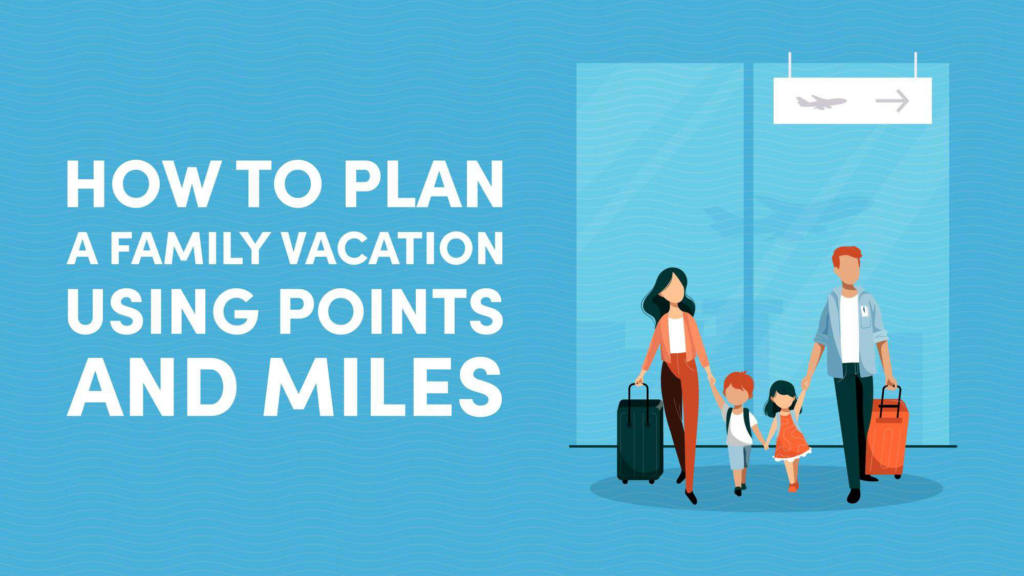
Instead of starting with a fixed budget, people often start with a feeling—an idea of where they’d like to go, or when it might feel good to travel again. Points don’t usually dictate the trip, but they influence how easily that idea turns into a plan.
Over time, many travelers notice that planning with points feels less rigid and more intuitive.
The Idea Comes Before the Math
Most people don’t open a points account looking for a destination.
They start with a reason to travel—a family visit, a break, a long-held curiosity. Only after the idea forms do points enter the picture, helping shape what feels possible now versus later.
Points support the idea rather than replace it.
They soften the planning stage instead of leading it.
Planning Starts With Flexibility
Trips planned with points often stay flexible from the beginning.
Instead of locking into exact dates or routes, people explore ranges—different weeks, alternate airports, or varied lengths of stay. This openness allows points to fit more naturally into the plan.
Flexibility becomes part of the process.
The trip feels shaped rather than forced.
Flights Often Anchor the Plan
For many travelers, flights are the first place points are applied.
Covering or reducing airfare changes how the rest of the trip is approached. Once flights feel settled, lodging and daily plans tend to fall into place more easily.
The biggest decision feels lighter.
Momentum builds quietly after that.
Lodging Choices Feel More Relaxed
When points help with stays, people often notice a shift in pacing.
They may stay an extra night, choose a more convenient location, or spread the trip out more comfortably. The stay feels like part of the experience rather than a compromise.
Points create breathing room.
Rest becomes part of the plan, not an afterthought.
Trips Are Built Around Ease, Not Maximum Value
People who plan trips using points rarely aim to use them “perfectly.”
Instead, they use them where pressure feels highest—busy travel times, longer journeys, or moments where flexibility matters most. The goal is ease, not optimization.
A reasonable redemption that feels right often wins.
Comfort and timing matter more than numbers.

Planning Happens Earlier, but Feels Lighter
Points often encourage earlier planning.
Knowing that part of the trip is supported makes it easier to think ahead. At the same time, planning feels less heavy because fewer trade-offs are required.
Early clarity reduces stress later.
The plan settles in gently rather than all at once.
Adjustments Feel Less Stressful
Trips rarely stay exactly as planned.
Dates shift, routes change, or staying longer suddenly feels right. When points are part of the plan, these changes often feel easier to absorb.
Flexibility feels safer.
The trip can adapt without unraveling.
Points Are Treated as Support, Not Pressure
Most people who plan well with points don’t feel rushed to use them.
Balances sit until a trip aligns naturally. This patience keeps planning grounded in real life rather than forcing travel around rewards.
Points wait quietly.
They respond when the moment feels right.
A Gentle Closing Reflection
How people plan trips using points isn’t about strategy.
It’s about ease.
When points are used to support timing, flexibility, and comfort, planning feels calmer and more spacious. Decisions feel clearer because less pressure is attached to them.
Many travelers realize that points didn’t just change what they booked.
They changed how the trip began.
AI Insight:
Many travelers notice that planning with points feels easier when the trip idea leads first and the points simply help make it feel more possible.