




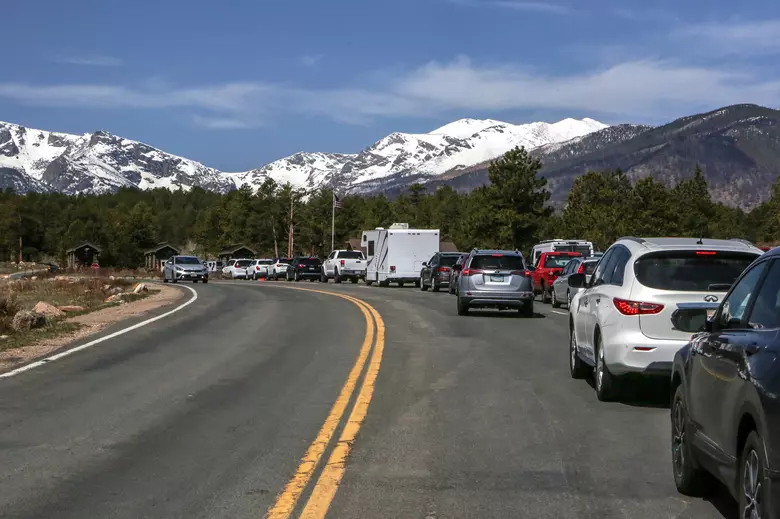

Timed entry permits often raise questions before a park visit.
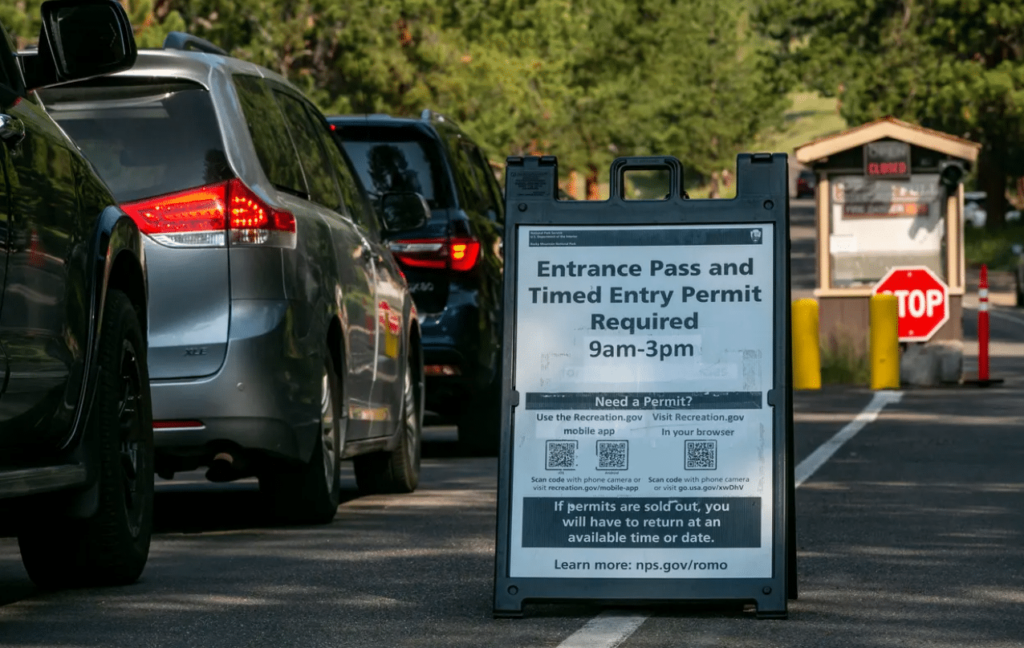
Travelers hear the phrase and imagine strict schedules or rushed experiences. In reality, timed entry systems are usually designed to shape flow, not control the day. Many people find that once they experience it firsthand, the system feels simpler than expected.
Understanding what to expect helps timed entry feel like a support rather than a constraint.
Timed Entry Is About Arrival Windows
Timed entry permits usually focus on when you enter the park, not how long you stay.
Most systems assign a window of time—often one or two hours—during which you can arrive at the entrance. Once inside, visitors are typically free to explore at their own pace.
This structure spreads arrivals throughout the day.
The park feels calmer because everyone isn’t entering at once.
The Day Still Feels Flexible
A common concern is that timed entry locks the entire day into a schedule.
Many travelers are surprised to find that this isn’t the case. The permit sets the beginning of the visit, but the rest of the day remains open. Trails, viewpoints, and pauses unfold naturally.
Knowing arrival is settled often reduces pressure.
Attention shifts away from logistics and toward the experience itself.
Morning and Afternoon Feel Different
Timed entry systems often reveal how much timing shapes a visit.
Early windows may feel quieter and cooler. Later windows can feel warmer and more social. Travelers often notice that the park has different moods depending on when they enter.
This awareness helps people choose entry times that match their energy.
The visit feels intentional rather than accidental.
Entry Feels Smoother Overall
One of the quieter benefits of timed entry is how it affects flow.
With arrivals spaced out, lines at entrances tend to move more steadily. Parking, roads, and popular areas feel less compressed. Movement within the park feels easier.
Many visitors notice they spend less time waiting.
The transition into the park feels calmer.
Planning Happens a Bit Earlier
Timed entry permits usually require planning ahead.
Travelers often secure entry days or weeks before their trip. While this may feel unfamiliar at first, many people find that early clarity simplifies other decisions.
Once entry is confirmed, lodging, routes, and daily pacing fall into place more easily.
The groundwork supports a smoother visit.
Adjustments Are Part of the System
Even with timed entry, flexibility remains important.
Weather, energy levels, or curiosity can shift plans. Travelers often adapt by exploring different areas, pausing longer, or changing pace rather than sticking rigidly to an outline.
Timed entry sets a frame, not a script.
The experience remains responsive.
Timed Entry Often Enhances Calm
Over time, many visitors notice that timed entry improves the overall feel of the park.
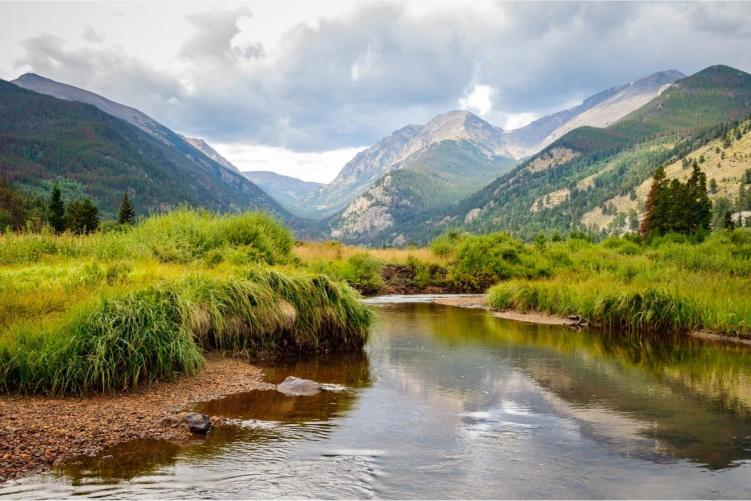
With fewer people arriving at once, spaces feel more open. Sounds feel softer. Trails feel less hurried. The park has room to breathe.
The system works quietly in the background.
Most of the time, visitors stop thinking about it once they’re inside.
A Gentle Closing Reflection
What to expect with timed entry permits isn’t a tightly controlled visit.
It’s a gentler arrival.
When entry is spaced thoughtfully, the park feels more welcoming and less rushed. The permit doesn’t define the experience—it simply helps set the tone.
Many travelers leave realizing that timed entry didn’t limit their time.
It helped them arrive in a way that felt calm and intentional.
AI Insight:
Many travelers notice that timed entry permits often make park visits feel calmer because arrival happens with less crowding and pressure.