



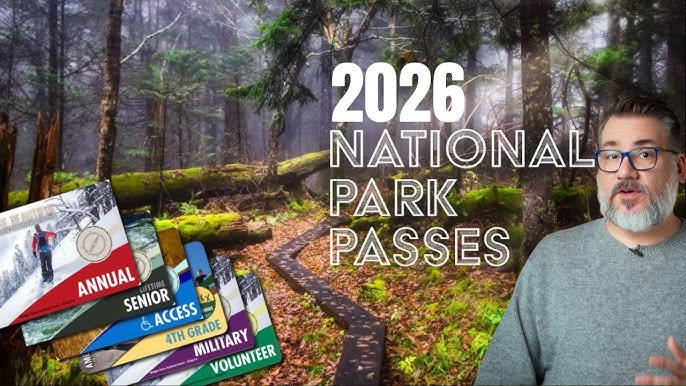

National park pass options can seem unclear at first.
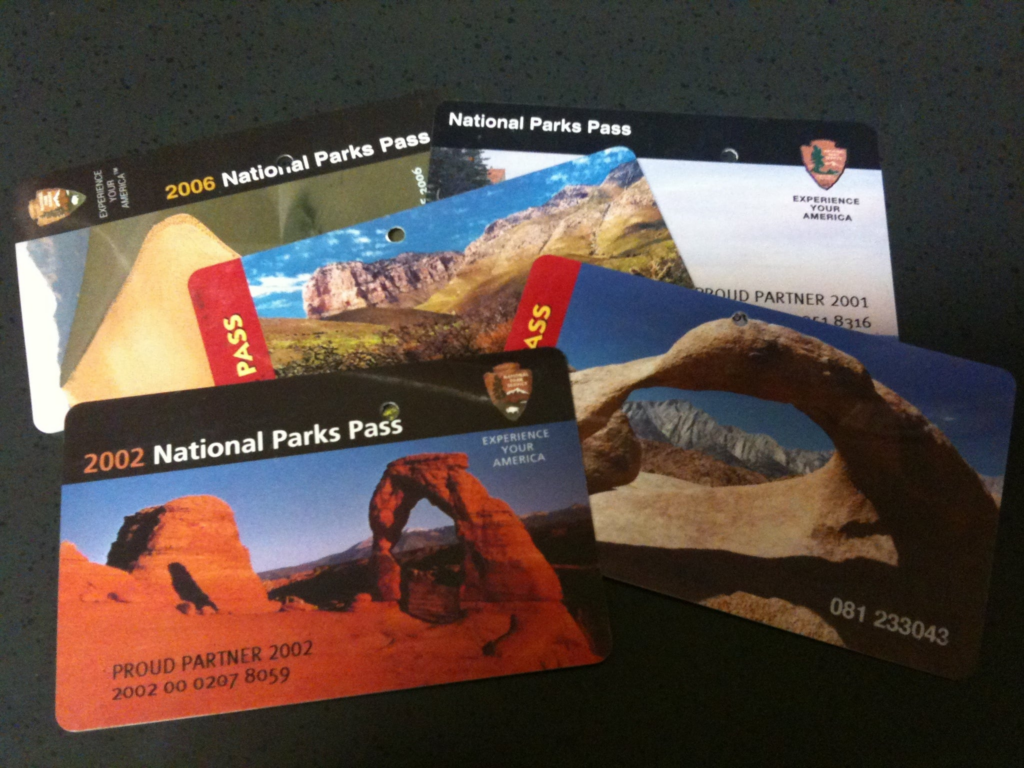
Visitors often encounter different names, prices, and time frames and wonder which one actually fits their trip. Yet once the basic structure is understood, passes tend to feel straightforward—and quietly helpful.
Many travelers notice that choosing the right pass early makes the rest of the visit feel lighter and more open.
Single-Park Entry Passes
The most familiar option is the single-park entry pass.
This pass is purchased for a specific national park and usually covers several consecutive days rather than just one visit. It applies to the vehicle or individual entering the park, depending on how visitors arrive.
Travelers often appreciate that this allows them to come and go during their stay.
The park feels accessible rather than transactional.
Annual Passes for Frequent Visits
Annual passes are designed for travelers who plan to visit multiple parks over time.
These passes allow entry to many national parks and federal recreation areas for a full year. Instead of paying per visit, travelers have ongoing access without repeated decisions.
Many people notice that an annual pass changes how they approach trips.
There’s less pressure to maximize a single visit and more comfort in returning when the timing feels right.
Passes for Specific Groups
Some pass options are created to support broader access.
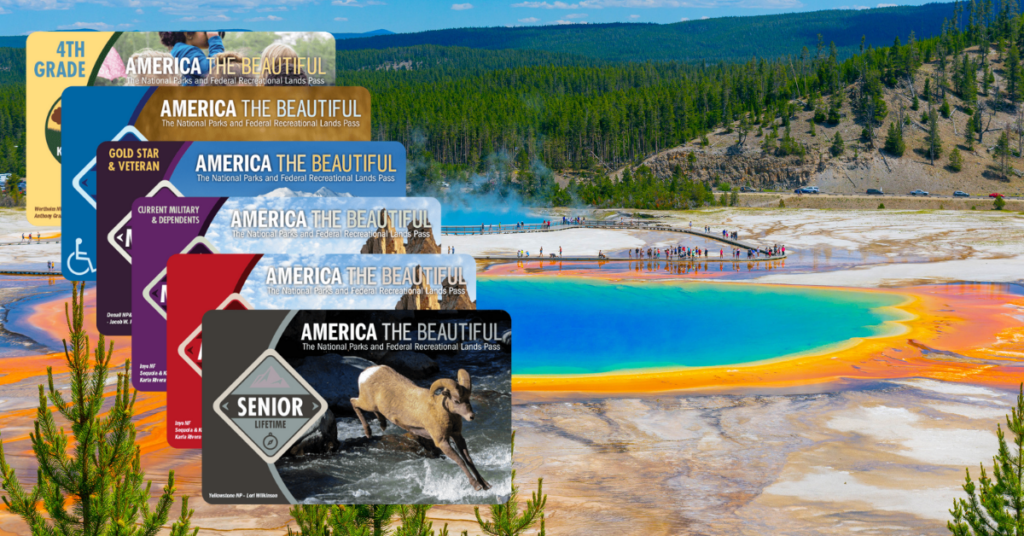
These passes may be available for seniors, military families, or others who qualify, offering extended or lifetime access. They follow the same basic idea as other passes but are structured around long-term use.
Travelers who use these passes often notice a sense of continuity.
The parks become familiar spaces rather than one-time destinations.
Digital and Physical Pass Use
National park passes can usually be presented either digitally or physically.
Some travelers carry a physical card, while others use digital confirmations. At entrances, passes are checked briefly and then fade into the background of the experience.
Once entry is handled, attention naturally returns to the landscape.
The pass becomes a quiet formality rather than a focus.
What Passes Do Not Cover
It’s helpful to understand what passes don’t include.
While they grant entry to the park, they typically don’t cover camping fees, guided tours, or special permits. Those experiences follow their own systems.
Knowing this ahead of time helps set expectations.
The pass opens the door, but individual experiences remain distinct.
Choosing Based on Travel Style
The best pass option often reflects how people like to travel.
Short, one-time visits tend to align well with single-park passes. Repeated or multi-park travel often fits annual options better. Neither choice is about value alone—it’s about rhythm.
When the pass matches travel style, planning feels simpler.
The focus stays on time in the park rather than logistics.
Passes Encourage Slower Exploration
Many travelers notice an unexpected benefit of having a pass.
When entry is already covered, there’s less urgency. People feel comfortable leaving and returning, taking breaks, or visiting at different times of day.
The park becomes a place to spend time, not just enter once.
This flexibility often leads to deeper, calmer experiences.
A Gentle Closing Reflection
National park pass options are designed to support access, not complicate it.
Once travelers understand the basic choices, passes tend to fade into the background—quietly enabling exploration rather than shaping it. The landscape becomes the focus, not the entry process.
Many visitors realize that the right pass didn’t change what they saw.
It changed how relaxed they felt while being there.
AI Insight:
Many travelers notice that choosing a park pass early helps visits feel more open and unhurried once they arrive.