


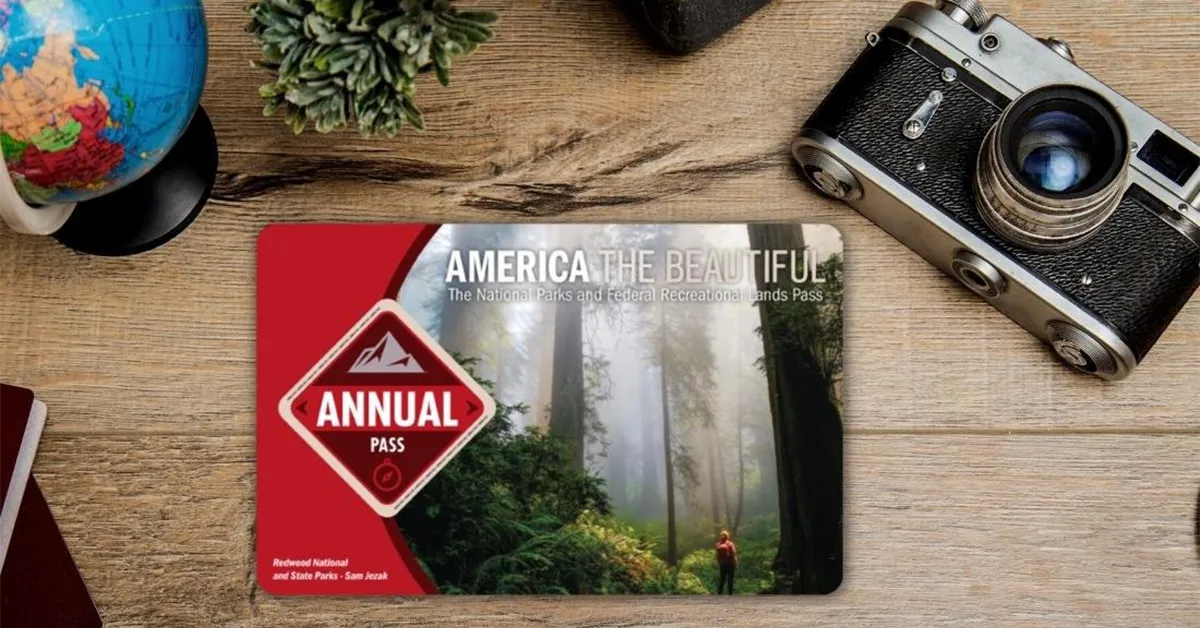

National park passes are designed to make visiting parks simpler, not more complicated.
At first glance, the options can feel a little unclear—single-entry fees, annual passes, different prices at different parks. Yet once travelers understand the basic structure, passes often become one of the easiest parts of planning a park visit.
Many people notice that park passes quietly shape how flexible and relaxed their trip feels.
Entry Fees Are Park-Specific
Most national parks charge an entry fee.
This fee usually applies per vehicle, per person, or per motorcycle, depending on how visitors arrive. The pass typically covers entry for several consecutive days, not just a single visit.
Travelers often appreciate that this allows them to come and go without rethinking access each time.
The park feels more open when entry isn’t a repeated decision.
Passes Are About Access, Not Activities
One important thing to know is what passes do—and don’t—cover.
National park passes provide access to the park itself: roads, trails, viewpoints, and general areas. They don’t usually include guided tours, camping fees, or special permits.
Understanding this distinction helps set expectations.
The pass opens the door, but individual experiences still follow their own rhythms.
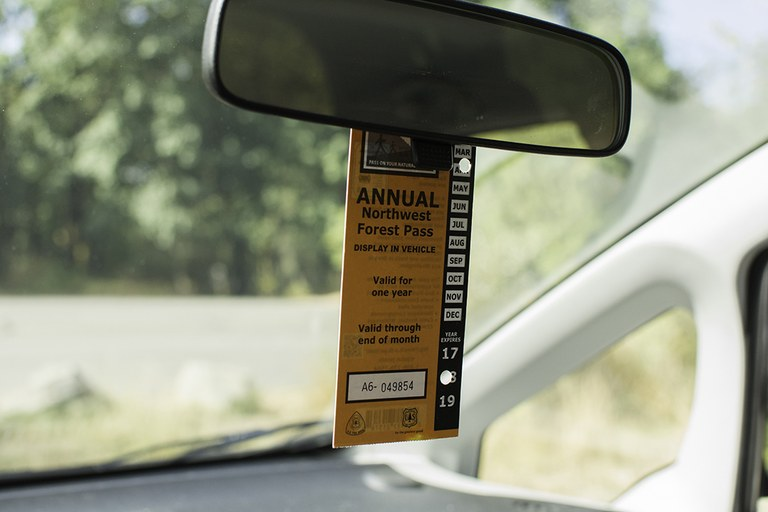
Annual Passes Offer Flexibility Over Time
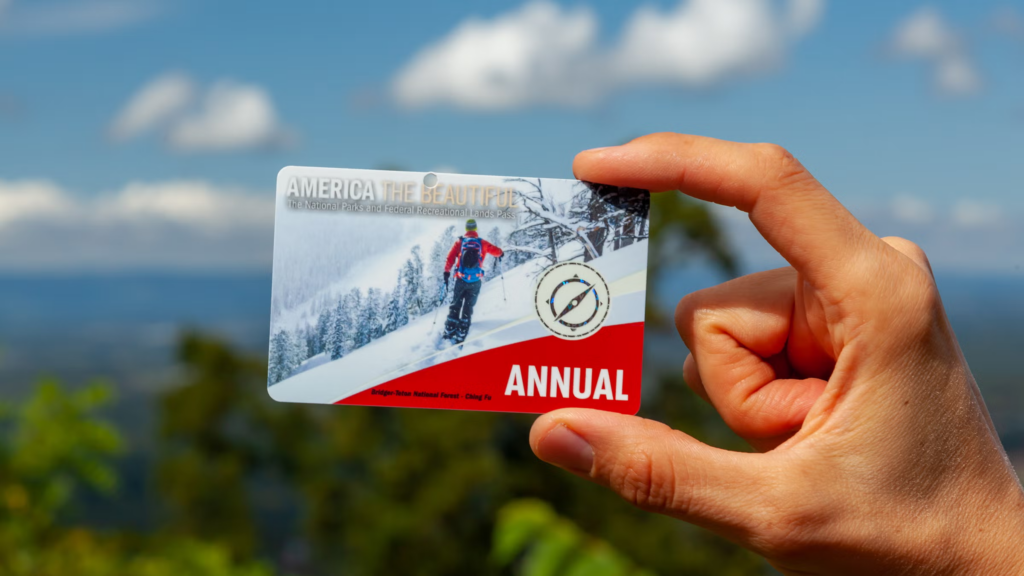
Many visitors choose annual passes when they plan multiple park visits.
These passes allow entry to many national parks and federal recreation areas over a full year. Travelers often notice that having an annual pass changes how they approach trips.
There’s less pressure to “make the most” of a single visit.
The park becomes something they can return to, not just complete once.
Day-Use Passes Fit Short Visits
For shorter or one-time trips, day-use or multi-day passes often feel sufficient.
These passes are straightforward and tied to a specific park. Travelers often choose them when visiting one location or when trips are spaced far apart.
This option keeps planning simple.
Access feels clear and contained within the visit.
Passes Encourage Slower Exploration
Many travelers notice an unexpected effect of having a pass.
When entry is already covered, there’s less urgency to rush through the park. People feel more comfortable leaving, returning, or taking breaks without worrying about cost or access.
The experience becomes more relaxed.
Time in the park feels less transactional and more open-ended.
Where and How Passes Are Used
Passes are typically checked at park entrances or visitor stations.
Some parks use staffed gates, while others rely on self-pay systems or posted permits. Keeping the pass accessible makes entry smoother.
Travelers often notice that once the pass is part of their routine, it fades into the background.
Attention stays on the landscape rather than logistics.
Passes Reflect Shared Stewardship
National park passes also represent something larger.
They support the care and maintenance of protected spaces. While visitors may not think about this during each entry, many notice a sense of shared responsibility over time.
The pass feels like participation, not just permission.
It connects access with care.
A Gentle Closing Reflection
How national park passes work isn’t about rules or restrictions.
It’s about access.
When travelers understand pass options, visits feel easier and less hurried. Entry becomes a simple step rather than a barrier. The park feels more welcoming, more flexible, and more familiar.
Many people realize that once the pass is settled, the experience opens up.
And what remains is time—spent walking, pausing, and noticing the place itself.
AI Insight:
Many travelers notice that having a park pass makes visits feel more relaxed because access is already settled before the day begins.